How does Sentinel-2 protect India’s biodiversity?
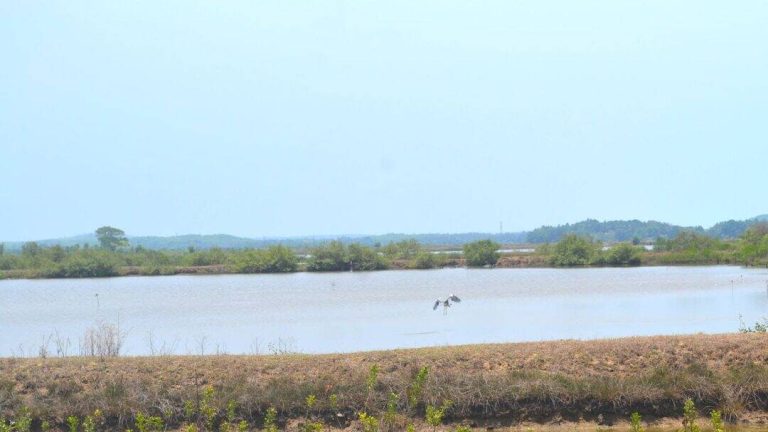
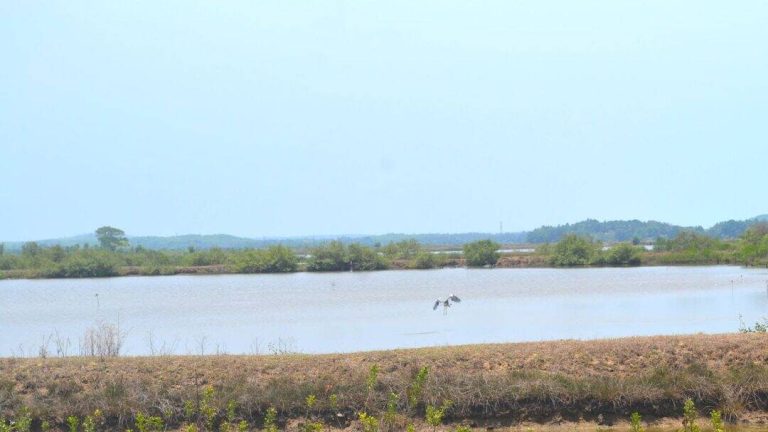
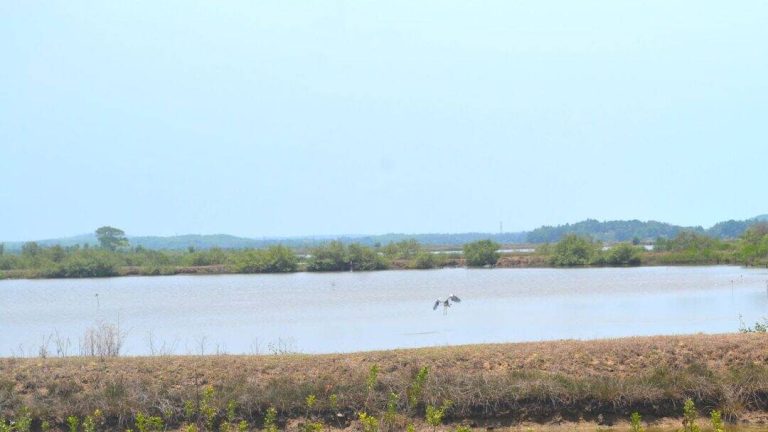
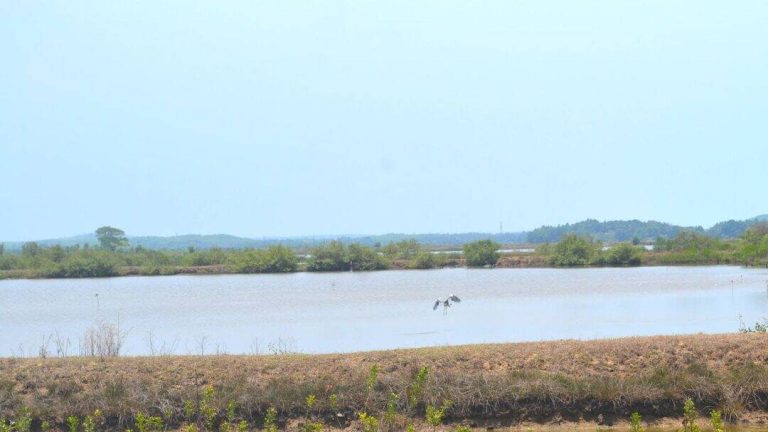
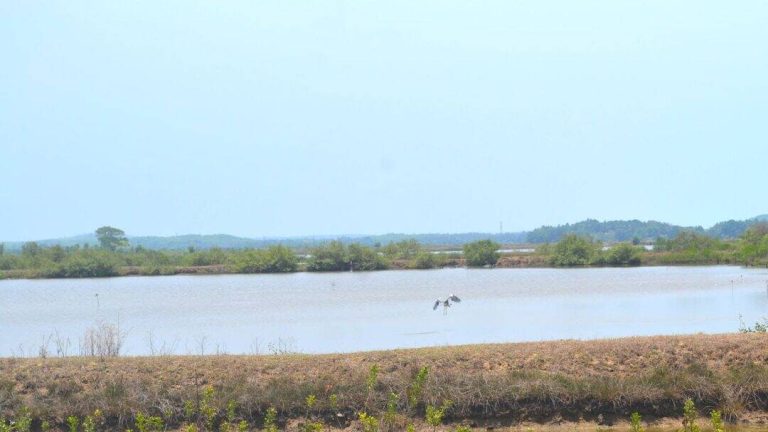
India is a country with rich and diverse biodiversity, ranging from the Himalayan mountains to the coastal plains and from dense forests to arid deserts. The country’s wetlands, which include lakes, rivers, and mangroves, are home to a wide variety of plant and animal species. However, these ecosystems are facing numerous threats, including climate change, pollution, and human activities such as deforestation and urbanization. To monitor and protect these ecosystems, scientists at the Indian Space Research Organisation (ISRO), Indian Institute of Space Science and Technology (IIST), and Gujarat University have developed a new satellite mapping system, Sentinel-2.
Sentinel-2 is a satellite-based system that uses advanced remote sensing technology to monitor the health of India’s wetlands. The system is equipped with high-resolution cameras that can capture detailed images of the Earth’s surface, including the vegetation and water bodies. The satellite data is then analyzed using machine learning algorithms to identify changes in the ecosystem over time. The system has been tested and validated in a study that monitored 500 of India’s largest wetlands, and the results are alarming.
The study found that nearly 100 lakes, mostly in central and southern India, have seen a major decline in vital plant life. This decline is attributed to a combination of factors, including climate change, pollution, and human activities such as deforestation and urbanization. The decline in plant life has significant implications for the ecosystem, as plants play a crucial role in maintaining the balance of the ecosystem. They provide food and shelter for animals, help to regulate the water cycle, and maintain the quality of the water.
One of the key features of the Sentinel-2 system is its ability to identify submerged plants with 94% accuracy. Submerged plants, also known as aquatic vegetation, are an important component of wetland ecosystems. They provide habitat for fish and other aquatic animals, help to maintain the quality of the water, and play a crucial role in the carbon cycle. However, submerged plants are often difficult to monitor using traditional methods, as they are hidden beneath the water surface. The Sentinel-2 system overcomes this challenge by using advanced remote sensing technology to detect the presence of submerged plants.
The results of the study call for urgent climate actions to protect India’s wetlands. The decline in plant life has significant implications for the ecosystem, and if left unchecked, could lead to the collapse of the ecosystem. The study highlights the need for sustainable management practices, such as reducing pollution, protecting habitats, and promoting conservation efforts. The Sentinel-2 system provides a valuable tool for monitoring the health of India’s wetlands and tracking the effectiveness of conservation efforts.
The development of the Sentinel-2 system is a significant achievement for India’s space program. The system demonstrates the country’s capabilities in developing advanced remote sensing technologies and applying them to real-world problems. The system has the potential to be used in a variety of applications, including monitoring crop health, tracking changes in land use, and detecting natural disasters such as floods and droughts.
In addition to its technical capabilities, the Sentinel-2 system also has significant social and economic implications. The system has the potential to support sustainable development efforts, such as promoting eco-tourism and supporting conservation efforts. The system can also provide valuable insights for policymakers, helping them to make informed decisions about how to manage and protect India’s wetlands.
In conclusion, the Sentinel-2 system is a powerful tool for protecting India’s biodiversity. The system’s ability to identify submerged plants with 94% accuracy and monitor changes in the ecosystem over time makes it an invaluable resource for conservation efforts. The results of the study highlight the need for urgent climate actions to protect India’s wetlands, and the Sentinel-2 system provides a valuable tool for tracking the effectiveness of these efforts. As India continues to develop and apply advanced remote sensing technologies, the country is poised to play a leading role in global efforts to protect the environment and promote sustainable development.
News Source: https://researchmatters.in/news/satellite-monitoring-reveals-declining-plant-life-hundreds-indian-wetlands
About the Author