How does Sentinel-2 protect India’s biodiversity?
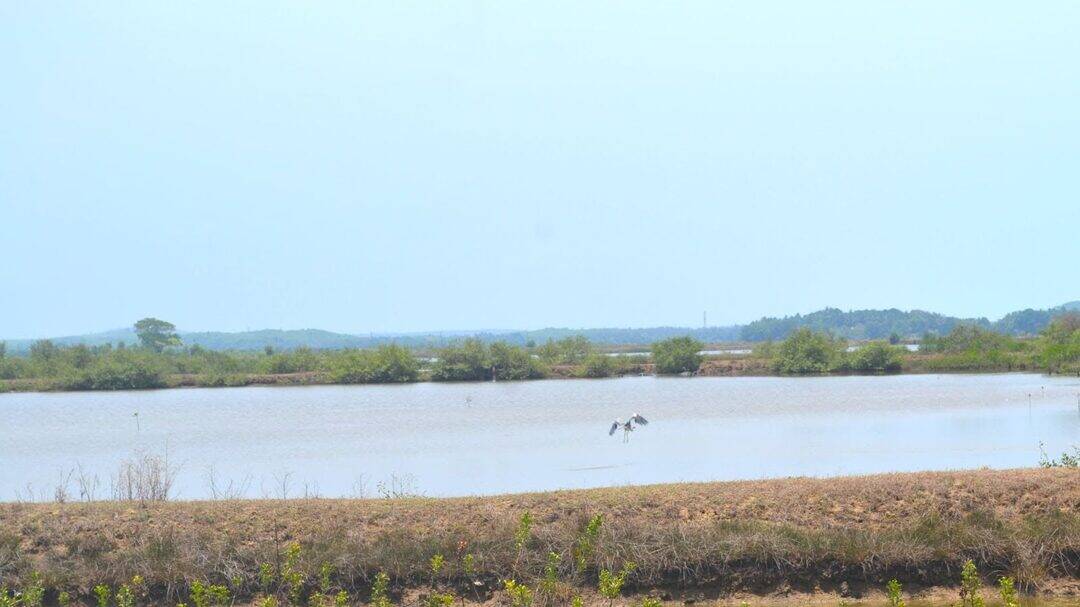
India is home to a vast and diverse range of flora and fauna, with many species found nowhere else in the world. The country’s wetlands, in particular, are a crucial component of its biodiversity, providing habitat for countless plants and animals, as well as supporting agriculture, fisheries, and other human activities. However, these vital ecosystems are facing numerous threats, including climate change, pollution, and human activities such as deforestation and urbanization. To better understand the health of India’s wetlands and the impact of these threats, scientists at the Indian Space Research Organisation (ISRO), the Indian Institute of Space Science and Technology (IIST), and Gujarat University have developed a new satellite mapping system, known as Sentinel-2.
The Sentinel-2 system uses advanced satellite imagery to identify and monitor submerged plants in India’s wetlands. This is a significant breakthrough, as submerged plants are a crucial indicator of the health of these ecosystems. The new technology has been shown to be highly accurate, with a 94% success rate in identifying submerged plants. This level of accuracy is unprecedented and provides scientists with a powerful tool for monitoring the health of India’s wetlands.
The study, which monitored 500 of India’s largest wetlands, has revealed some alarming trends. Nearly 100 lakes, mostly in central and southern India, have seen a major decline in vital plant life. This decline is a clear indication of the impact of climate change and human activities on these ecosystems. The loss of submerged plants can have severe consequences, including reduced water quality, decreased biodiversity, and negative impacts on fisheries and agriculture.
The use of Sentinel-2 technology has also highlighted the importance of urgent climate action. The study’s findings demonstrate that climate change is having a significant impact on India’s wetlands, with many ecosystems already showing signs of decline. This emphasizes the need for immediate action to reduce greenhouse gas emissions and mitigate the effects of climate change. The Indian government has already taken steps to address the issue, including the launch of initiatives such as the National Mission for Sustainable Habitat and the National Action Plan on Climate Change. However, more needs to be done to protect the country’s biodiversity and ensure the long-term health of its ecosystems.
The development of Sentinel-2 technology is a significant achievement for Indian scientists and demonstrates the country’s growing capabilities in the field of space research. The use of satellite mapping systems like Sentinel-2 has the potential to revolutionize the way we monitor and manage ecosystems, providing accurate and up-to-date information on the health of these systems. This information can be used to inform policy decisions, guide conservation efforts, and support sustainable development.
In addition to its use in monitoring wetlands, Sentinel-2 technology has a range of other potential applications. It could be used to track changes in land use, monitor the health of forests, and even identify areas at risk of natural disasters such as floods and landslides. The technology could also be used to support sustainable agriculture, by providing farmers with accurate information on soil moisture, crop health, and other factors that affect crop yields.
The development of Sentinel-2 technology is also a testament to the power of collaboration and international cooperation. The study was conducted by a team of scientists from ISRO, IIST, and Gujarat University, and demonstrates the importance of partnerships between government agencies, academic institutions, and other stakeholders in advancing our understanding of the natural world.
In conclusion, the Sentinel-2 satellite mapping system is a powerful tool for protecting India’s biodiversity. The technology has the potential to revolutionize the way we monitor and manage ecosystems, providing accurate and up-to-date information on the health of these systems. The study’s findings highlight the urgent need for climate action, and demonstrate the importance of continued investment in space research and development. As India continues to grow and develop, it is essential that we prioritize the protection of our natural resources, including our wetlands and other ecosystems. By using technologies like Sentinel-2, we can ensure the long-term health of these ecosystems and support sustainable development for generations to come.
About the Author