How does Sentinel-2 protect India’s biodiversity?
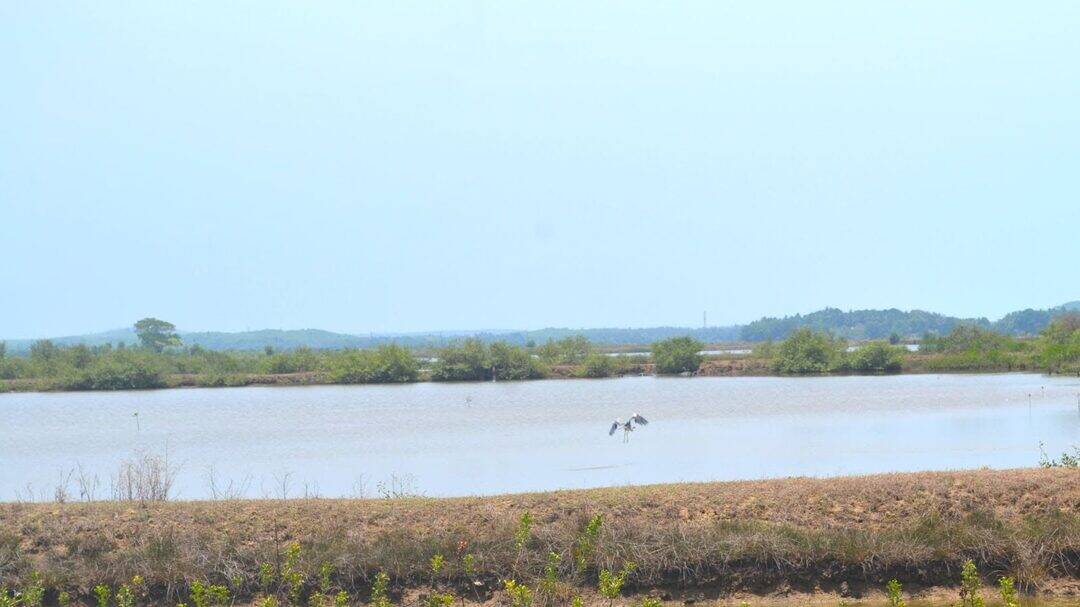
India is home to a diverse range of ecosystems, from the towering Himalayas to the lush rainforests of the Western Ghats. The country’s wetlands, in particular, are a vital component of its biodiversity, providing habitat for countless species of plants and animals. However, these ecosystems are facing numerous threats, including climate change, pollution, and human activities such as deforestation and urbanization. To monitor and protect these vital ecosystems, scientists at the Indian Space Research Organisation (ISRO), Indian Institute of Space Science and Technology (IIST), and Gujarat University have developed a new satellite mapping system, Sentinel-2.
Sentinel-2 is a state-of-the-art satellite imaging system that uses advanced sensors to collect high-resolution data on the Earth’s surface. The system is capable of identifying submerged plants with an impressive 94% accuracy, making it an invaluable tool for monitoring wetland ecosystems. In a recent study, the researchers used Sentinel-2 to monitor 500 of India’s largest wetlands, covering an area of over 1.4 million hectares. The results of the study are alarming, with nearly 100 lakes, mostly in central and southern India, showing a significant decline in vital plant life.
The decline of plant life in India’s wetlands has serious implications for the country’s biodiversity. Wetlands are a crucial habitat for many species of birds, fish, and other animals, and the loss of plant life can have a ripple effect throughout the entire ecosystem. The researchers found that the decline in plant life was most pronounced in lakes with high levels of pollution, sedimentation, and human activity. This suggests that human actions, such as the release of pollutants and sediment into waterways, are having a significant impact on the health of India’s wetlands.
The use of Sentinel-2 to monitor India’s wetlands is a significant step forward in the country’s efforts to protect its biodiversity. The system provides a cost-effective and efficient way to collect data on the health of wetland ecosystems, allowing conservationists to identify areas that are most in need of protection. The high-resolution data collected by Sentinel-2 can also be used to track changes in wetland ecosystems over time, providing valuable insights into the impacts of climate change and human activities on these vital ecosystems.
The development of Sentinel-2 is also an example of the important role that technology can play in conservation efforts. The use of satellite imaging and other remote sensing technologies can provide conservationists with the data they need to make informed decisions about how to protect and manage ecosystems. By leveraging these technologies, conservationists can work more effectively to protect India’s biodiversity and ensure the long-term health of the country’s ecosystems.
The study’s findings also highlight the need for urgent climate action to protect India’s wetlands. The decline in plant life in these ecosystems is a clear indication of the impacts of climate change, and the need for concerted efforts to reduce greenhouse gas emissions and mitigate the effects of climate change. The researchers are calling for increased funding and support for conservation efforts, as well as greater awareness and education about the importance of protecting India’s wetlands.
In addition to the use of Sentinel-2, there are several other steps that can be taken to protect India’s wetlands. These include the implementation of policies and regulations to reduce pollution and human impacts on these ecosystems, as well as the development of sustainable land-use practices that prioritize the conservation of wetland habitats. The involvement of local communities in conservation efforts is also critical, as these communities often have a deep understanding of the ecosystems and can play an important role in their management and protection.
In conclusion, the development of Sentinel-2 is an important step forward in India’s efforts to protect its biodiversity. The system’s ability to identify submerged plants with high accuracy makes it a valuable tool for monitoring wetland ecosystems, and the study’s findings highlight the need for urgent climate action to protect these vital ecosystems. By leveraging technologies like Sentinel-2, and working together to address the impacts of climate change and human activities, we can help to ensure the long-term health and conservation of India’s wetlands.
About the Author