How does Sentinel-2 protect India’s biodiversity?
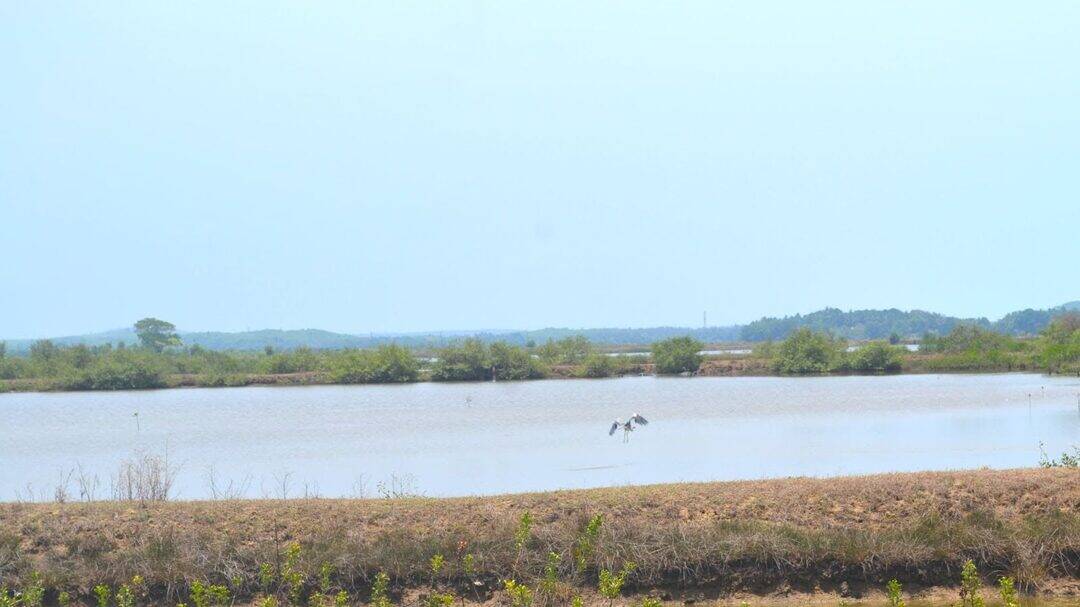
India, a country with a rich and diverse range of flora and fauna, is home to some of the most unique and threatened ecosystems in the world. The country’s wetlands, in particular, are a vital component of its biodiversity, providing habitat for a wide range of plant and animal species. However, these ecosystems are facing numerous threats, including climate change, pollution, and human activities such as deforestation and urbanization. To monitor and protect these ecosystems, scientists at the Indian Space Research Organisation (ISRO), Indian Institute of Space Science and Technology (IIST), and Gujarat University have developed a new satellite mapping system, known as Sentinel-2.
Sentinel-2 is a state-of-the-art technology that uses satellite imagery to identify and monitor submerged plants in wetlands with a high degree of accuracy. The system has been shown to be effective in identifying these plants with an accuracy of 94%, making it a valuable tool for conservation efforts. The technology has been used to monitor 500 of India’s largest wetlands, providing valuable insights into the health and status of these ecosystems.
The study, which used Sentinel-2 to monitor the wetlands, has revealed some alarming trends. Nearly 100 lakes, mostly in central and southern India, have seen a major decline in vital plant life. This decline is a cause for concern, as plants play a crucial role in maintaining the health and balance of these ecosystems. The loss of plant life can have far-reaching consequences, including the decline of animal populations that depend on these plants for food and shelter.
The decline in plant life in India’s wetlands is a complex issue, with multiple factors contributing to the problem. Climate change is one of the main drivers of this decline, as changes in temperature and precipitation patterns alter the delicate balance of these ecosystems. Pollution is another major threat, with the release of nutrients and sediments into the water causing eutrophication and harming plant life. Human activities, such as deforestation and urbanization, are also contributing to the decline of these ecosystems.
The use of Sentinel-2 to monitor India’s wetlands has significant implications for conservation efforts. The technology provides a cost-effective and efficient way to monitor these ecosystems, allowing conservationists to identify areas that are most in need of protection. The data provided by Sentinel-2 can be used to inform policy decisions, such as the development of conservation plans and the allocation of resources.
The study’s findings also highlight the need for urgent climate action. The decline of plant life in India’s wetlands is a symptom of a larger problem, one that requires a coordinated and sustained response. The Indian government has taken steps to address the issue, including the development of a national wetland conservation plan. However, more needs to be done to protect these ecosystems and the many species that depend on them.
In addition to its use in monitoring wetlands, Sentinel-2 has a range of other applications. The technology can be used to monitor crop health, track changes in land use, and identify areas that are vulnerable to natural disasters such as floods and droughts. The use of Sentinel-2 in these areas has the potential to make a significant impact, improving agricultural productivity, reducing the risk of natural disasters, and promoting sustainable development.
In conclusion, the development of Sentinel-2 is a significant step forward in the protection of India’s biodiversity. The technology has the potential to make a major impact, providing a cost-effective and efficient way to monitor and protect the country’s wetlands. The study’s findings highlight the need for urgent climate action, and the Indian government must take steps to address the decline of plant life in the country’s wetlands. The use of Sentinel-2 in conservation efforts is just one example of the many ways in which technology can be used to protect the environment.
As we move forward, it is essential that we continue to develop and use technologies like Sentinel-2 to monitor and protect India’s biodiversity. The country’s ecosystems are facing numerous threats, and it is only through the use of innovative technologies and conservation strategies that we can hope to protect them. The development of Sentinel-2 is a testament to the power of science and technology to drive positive change, and we must continue to support and invest in these efforts if we are to succeed in our mission to protect India’s biodiversity.
About the Author