How does Sentinel-2 protect India’s biodiversity?
India is home to a diverse range of flora and fauna, with a wide variety of ecosystems that support a vast array of plant and animal life. However, the country’s biodiversity is under threat due to climate change, habitat destruction, and other human activities. To mitigate these threats, scientists at the Indian Space Research Organisation (ISRO), Indian Institute of Space Technology (IIST), and Gujarat University have developed a new satellite mapping system, Sentinel-2. This innovative technology has the potential to play a crucial role in protecting India’s biodiversity, particularly in its wetlands.
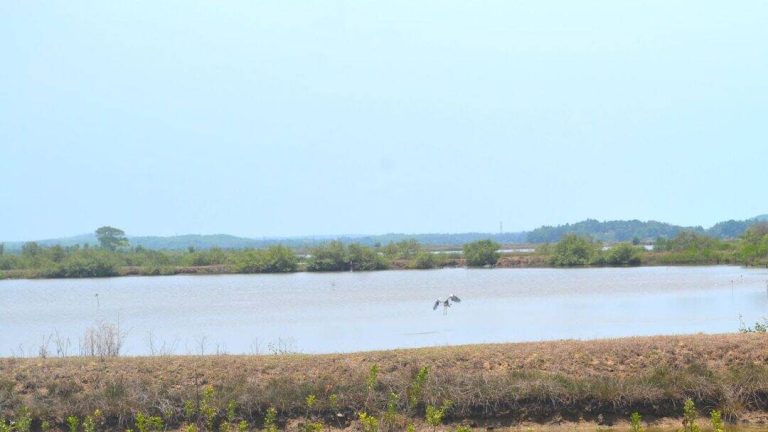
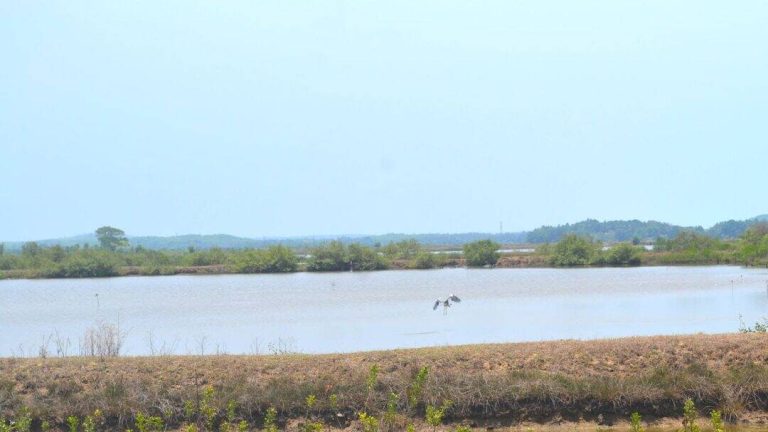
Wetlands are some of the most important ecosystems in India, providing habitat for a wide range of plant and animal species. They also play a critical role in maintaining water quality, regulating the water cycle, and supporting agriculture. However, many of India’s wetlands are facing significant threats, including pollution, over-extraction of water, and climate change. To better understand the impact of these threats on India’s wetlands, the scientists used Sentinel-2 to monitor 500 of the country’s largest wetlands.
The study, which was conducted over a period of several years, used Sentinel-2 to identify submerged plants in the wetlands with an impressive 94% accuracy. The results of the study are alarming, with nearly 100 lakes, mostly in central and southern India, showing a major decline in vital plant life. This decline is likely to have significant impacts on the ecosystems that depend on these wetlands, including the many plant and animal species that call them home.
The use of Sentinel-2 in this study demonstrates the potential of satellite technology to monitor and protect India’s biodiversity. By providing accurate and detailed information about the health of the country’s wetlands, Sentinel-2 can help scientists and policymakers to identify areas that are most in need of protection and conservation. This can inform the development of effective conservation strategies, such as the restoration of degraded habitats and the protection of key species.
The decline of plant life in India’s wetlands is a pressing concern that requires urgent action. Climate change is likely to be a major contributor to this decline, as changes in temperature and precipitation patterns alter the delicate balance of these ecosystems. However, other human activities, such as pollution and over-extraction of water, are also likely to be playing a role.
To address these challenges, the Indian government has launched several initiatives aimed at protecting the country’s wetlands. For example, the Wetlands (Conservation and Management) Rules, 2017, provide a framework for the conservation and management of wetlands, including the identification and protection of sensitive ecosystems. Additionally, the government has launched several programs aimed at restoring degraded wetlands and promoting sustainable livelihoods for communities that depend on them.
However, more needs to be done to protect India’s wetlands and the biodiversity that they support. The use of Sentinel-2 and other satellite technologies can play a critical role in this effort, by providing accurate and detailed information about the health of these ecosystems. This can inform the development of effective conservation strategies, such as the restoration of degraded habitats and the protection of key species.
In addition to its use in monitoring wetlands, Sentinel-2 has a range of other applications that can support biodiversity conservation in India. For example, it can be used to monitor forest health, track changes in land use and land cover, and identify areas that are most vulnerable to climate change. By providing accurate and detailed information about the state of India’s ecosystems, Sentinel-2 can help scientists and policymakers to develop effective strategies for protecting the country’s biodiversity.
In conclusion, the development of Sentinel-2 is an important step forward in the effort to protect India’s biodiversity. By providing accurate and detailed information about the health of the country’s wetlands and other ecosystems, this technology can inform the development of effective conservation strategies and support the protection of key species and habitats. The results of the study, which show a decline in plant life in many of India’s wetlands, are a call to action, highlighting the need for urgent climate action and conservation efforts to protect these critical ecosystems.
As India continues to develop and grow, it is essential that the country’s biodiversity is protected and conserved. The use of Sentinel-2 and other satellite technologies can play a critical role in this effort, by providing accurate and detailed information about the state of India’s ecosystems. By working together to protect India’s biodiversity, we can help to ensure a healthy and sustainable future for the country and its people.
About the Author