How does Sentinel-2 protect India’s biodiversity?
India is home to a diverse range of ecosystems, from the Himalayan mountains to the mangrove forests of the Sundarbans, and from the deserts of Rajasthan to the wetlands of Kerala. These ecosystems support a wide variety of plant and animal species, many of which are found nowhere else in the world. However, India’s biodiversity is facing numerous threats, including climate change, habitat destruction, and pollution. In recent years, scientists have been using satellite technology to monitor India’s ecosystems and track changes in the country’s biodiversity. One such satellite system is Sentinel-2, which has been developed by scientists at the Indian Space Research Organisation (ISRO), the Indian Institute of Space Technology (IIST), and Gujarat University.
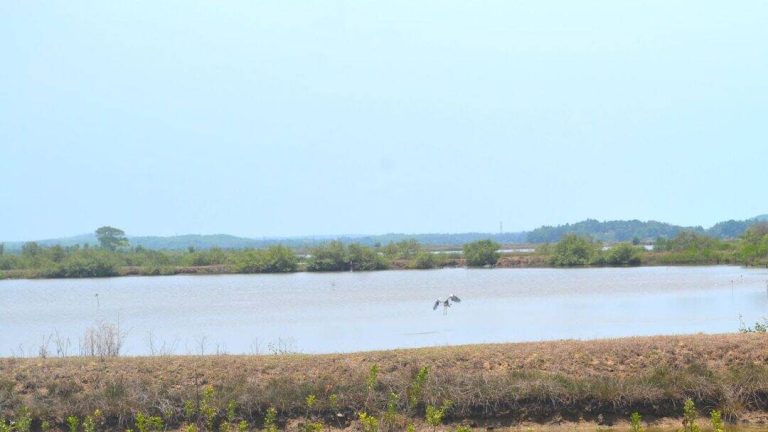
Sentinel-2 is a satellite mapping system that uses advanced sensors to collect data on the health and distribution of plant species in India’s wetlands. The system is capable of identifying submerged plants with an accuracy of 94%, making it a powerful tool for monitoring the health of India’s aquatic ecosystems. In a recent study, scientists used Sentinel-2 to monitor 500 of India’s largest wetlands, including lakes, rivers, and coastal areas. The results of the study are alarming, with nearly 100 lakes, mostly in central and southern India, showing a major decline in vital plant life.
The decline of plant life in India’s wetlands is a serious concern, as these ecosystems provide a range of important ecosystem services, including water filtration, flood control, and habitat for numerous species of plants and animals. Wetlands are also important carbon sinks, helping to absorb and store carbon dioxide from the atmosphere. The loss of plant life in these ecosystems can have significant impacts on the environment, including increased greenhouse gas emissions, decreased water quality, and reduced biodiversity.
The Sentinel-2 satellite system is a valuable tool for monitoring India’s wetlands and tracking changes in the country’s biodiversity. The system provides high-resolution images of the Earth’s surface, allowing scientists to identify areas where plant life is declining and take action to protect these ecosystems. The data collected by Sentinel-2 can also be used to inform conservation efforts, helping to identify areas where conservation efforts are most needed and providing a baseline for monitoring the effectiveness of conservation interventions.
In addition to its use in monitoring wetlands, the Sentinel-2 satellite system has a range of other applications, including monitoring crop health, tracking changes in land use, and identifying areas at risk of natural disasters such as floods and droughts. The system is also being used to monitor the impacts of climate change on India’s ecosystems, including changes in temperature and precipitation patterns, sea level rise, and increased frequency of extreme weather events.
The development of the Sentinel-2 satellite system is a significant achievement for Indian scientists, who have been working to develop new technologies for monitoring and protecting the country’s biodiversity. The system is a testament to the power of collaboration and innovation in addressing some of the world’s most pressing environmental challenges. By providing high-resolution images of the Earth’s surface, Sentinel-2 is helping to inform conservation efforts and protect India’s natural heritage for future generations.
The results of the study using Sentinel-2 to monitor India’s wetlands are a call to action, highlighting the need for urgent climate action to protect the country’s biodiversity. The decline of plant life in India’s wetlands is a symptom of a broader range of environmental challenges facing the country, including climate change, habitat destruction, and pollution. Addressing these challenges will require a coordinated effort from government, civil society, and the private sector, as well as a commitment to protecting and preserving India’s natural ecosystems.
In conclusion, the Sentinel-2 satellite system is a powerful tool for monitoring India’s biodiversity and tracking changes in the country’s ecosystems. The system’s ability to identify submerged plants with high accuracy makes it a valuable asset for conservation efforts, and its applications extend far beyond the monitoring of wetlands. As India continues to face numerous environmental challenges, the development of new technologies like Sentinel-2 will be critical in protecting the country’s natural heritage and promoting sustainable development.
The use of satellite technology to monitor India’s ecosystems is a significant step forward in the country’s efforts to protect its biodiversity. By providing high-resolution images of the Earth’s surface, Sentinel-2 is helping to inform conservation efforts and track changes in the country’s ecosystems. The system is a testament to the power of innovation and collaboration in addressing some of the world’s most pressing environmental challenges, and its development is a significant achievement for Indian scientists.
As the world continues to face numerous environmental challenges, the development of new technologies like Sentinel-2 will be critical in protecting the planet’s natural ecosystems. The use of satellite technology to monitor ecosystems is a significant step forward in conservation efforts, and its applications extend far beyond the monitoring of wetlands. By providing high-resolution images of the Earth’s surface, satellite systems like Sentinel-2 are helping to inform conservation efforts and track changes in the planet’s ecosystems.
The protection of India’s biodiversity is a critical challenge, and one that will require a coordinated effort from government, civil society, and the private sector. The development of new technologies like Sentinel-2 is a significant step forward in this effort, and its applications will be critical in protecting the country’s natural heritage. As India continues to face numerous environmental challenges, the use of satellite technology to monitor ecosystems will be essential in promoting sustainable development and protecting the country’s biodiversity.
About the Author