How does Sentinel-2 protect India’s biodiversity?
India is home to a diverse range of flora and fauna, with a vast array of ecosystems that support a wide variety of plant and animal species. However, the country’s biodiversity is facing numerous threats, including climate change, habitat destruction, and pollution. To combat these threats, scientists at the Indian Space Research Organisation (ISRO), Indian Institute of Space Technology (IIST), and Gujarat University have developed a new satellite mapping system, known as Sentinel-2. This innovative technology has the ability to identify submerged plants with an impressive 94% accuracy, making it a valuable tool in the conservation of India’s biodiversity.
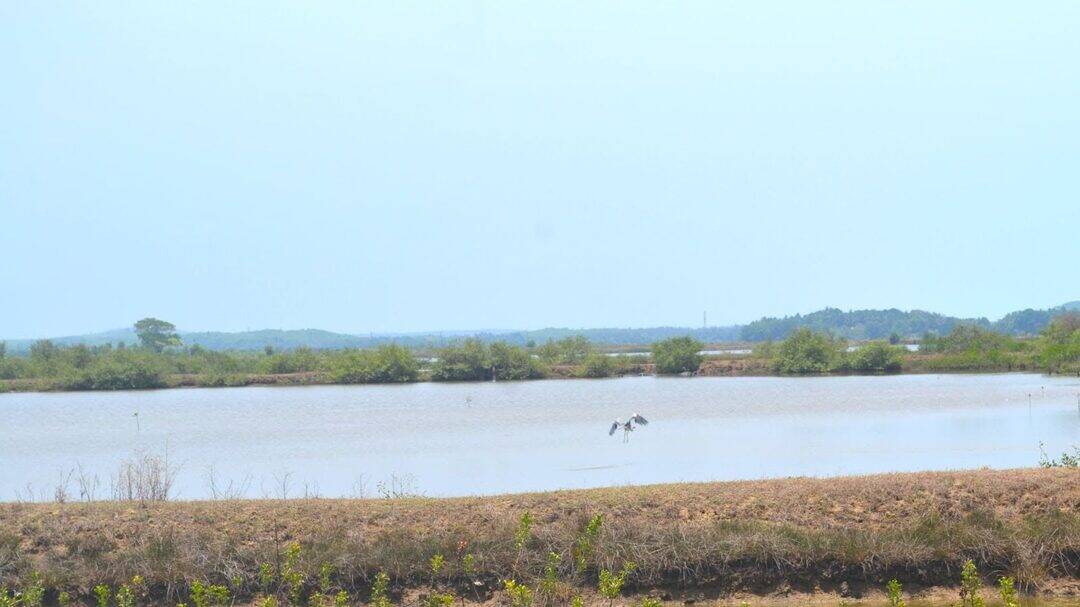
The Sentinel-2 system was used to monitor 500 of India’s largest wetlands, which are crucial ecosystems that support a wide range of plant and animal species. The results of the study were alarming, with nearly 100 lakes, mostly in central and southern India, experiencing a significant decline in vital plant life. This decline is a clear indication of the impact of climate change and human activities on India’s wetlands, and highlights the need for urgent action to protect these vital ecosystems.
The Sentinel-2 system uses advanced satellite imaging technology to map the plant life in India’s wetlands. The system is equipped with a high-resolution camera that can capture detailed images of the wetlands, allowing scientists to identify and monitor changes in plant life over time. The system is also able to penetrate the water surface, allowing it to detect submerged plants that may not be visible to the naked eye.
The ability of the Sentinel-2 system to identify submerged plants with 94% accuracy is a significant breakthrough in the field of wetland conservation. Submerged plants are a crucial component of wetland ecosystems, providing food and habitat for a wide range of aquatic species. However, these plants are often difficult to detect, making it challenging for scientists to monitor their health and abundance. The Sentinel-2 system overcomes this challenge, providing a reliable and accurate method for monitoring submerged plant life.
The study conducted using the Sentinel-2 system has significant implications for the conservation of India’s wetlands. The decline in plant life observed in nearly 100 lakes is a clear indication of the impact of climate change and human activities on these ecosystems. Climate change is altering the water levels and water quality in India’s wetlands, making it difficult for plants to survive. Human activities, such as the construction of dams and the introduction of invasive species, are also contributing to the decline of plant life in these ecosystems.
The results of the study call for urgent climate actions to protect India’s wetlands. The Indian government and conservation organizations must work together to implement measures to reduce the impact of climate change and human activities on these ecosystems. This may involve the restoration of degraded wetlands, the implementation of sustainable water management practices, and the protection of wetlands from human activities that can harm them.
In addition to the conservation of wetlands, the Sentinel-2 system has the potential to be used in a wide range of applications, including the monitoring of forests, grasslands, and other ecosystems. The system can be used to track changes in land use and land cover, allowing scientists to monitor the impact of human activities on the environment. The system can also be used to identify areas that are vulnerable to climate change, allowing conservation efforts to be targeted in the most effective way possible.
In conclusion, the Sentinel-2 system is a powerful tool in the conservation of India’s biodiversity. The system’s ability to identify submerged plants with 94% accuracy makes it a valuable asset in the monitoring of wetland ecosystems. The results of the study conducted using the Sentinel-2 system highlight the need for urgent climate actions to protect India’s wetlands, and demonstrate the importance of continued innovation and investment in conservation technologies.
The development of the Sentinel-2 system is a testament to the power of collaboration and innovation in the field of conservation. The partnership between ISRO, IIST, and Gujarat University has resulted in the creation of a cutting-edge technology that has the potential to make a significant impact on the conservation of India’s biodiversity. As the Indian government and conservation organizations continue to work together to protect the country’s ecosystems, the Sentinel-2 system is likely to play an increasingly important role in these efforts.
In the coming years, it is likely that the Sentinel-2 system will be used in a wide range of conservation applications, from the monitoring of forests and grasslands to the identification of areas vulnerable to climate change. The system’s advanced technology and high accuracy make it an ideal tool for conservation efforts, and its potential to make a significant impact on the protection of India’s biodiversity is vast.
As the world continues to face the challenges of climate change and environmental degradation, the development of innovative conservation technologies like the Sentinel-2 system is more important than ever. The protection of India’s biodiversity is a critical component of global conservation efforts, and the Sentinel-2 system is a valuable asset in this endeavor. As scientists and conservationists continue to work together to protect the country’s ecosystems, the Sentinel-2 system is likely to play an increasingly important role in these efforts.
News Source: https://researchmatters.in/news/satellite-monitoring-reveals-declining-plant-life-hundreds-indian-wetlands
About the Author