How does Sentinel-2 protect India’s biodiversity?
India is home to a diverse range of ecosystems, including forests, grasslands, and wetlands, which support a vast array of plant and animal species. However, the country’s biodiversity is facing numerous threats, including climate change, habitat destruction, and pollution. To address these challenges, scientists at the Indian Space Research Organisation (ISRO), Indian Institute of Space Technology (IIST), and Gujarat University have developed a new satellite mapping system, Sentinel-2, which can identify submerged plants with 94% accuracy. In this blog post, we will explore how Sentinel-2 is being used to protect India’s biodiversity, with a focus on the country’s wetlands.
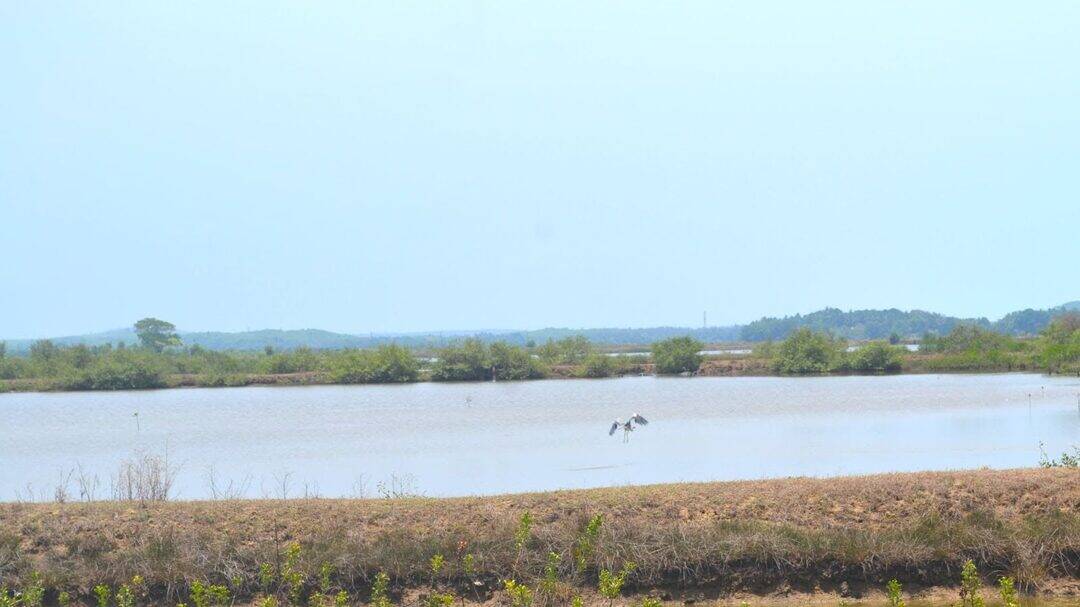
Wetlands are some of the most important ecosystems in India, providing habitat for a wide range of plant and animal species, as well as supporting agriculture, fisheries, and tourism. However, many of India’s wetlands are facing significant threats, including pollution, habitat destruction, and climate change. To better understand the health of India’s wetlands, scientists used Sentinel-2 to monitor 500 of the country’s largest wetlands. The results of the study are alarming, with nearly 100 lakes, mostly in central and southern India, experiencing a major decline in vital plant life.
The use of Sentinel-2 to monitor India’s wetlands is a significant innovation in the field of biodiversity conservation. The satellite’s high-resolution imaging capabilities allow scientists to track changes in plant life over time, providing valuable insights into the health of these ecosystems. By identifying areas where plant life is declining, conservation efforts can be targeted to protect these critical ecosystems. The study’s findings also highlight the need for urgent climate action, as climate change is likely to exacerbate the decline of plant life in India’s wetlands.
One of the key advantages of Sentinel-2 is its ability to identify submerged plants with high accuracy. This is particularly important in wetlands, where plants may be partially or fully submerged in water. By using Sentinel-2, scientists can track changes in plant life over time, even in areas where traditional monitoring methods may be difficult or impossible. This information can be used to inform conservation efforts, such as the restoration of habitats and the protection of key species.
The development of Sentinel-2 is also an example of the important role that technology can play in biodiversity conservation. By leveraging advances in satellite imaging and data analysis, scientists can gain a better understanding of complex ecosystems and track changes over time. This information can be used to inform policy and conservation efforts, helping to protect India’s biodiversity for future generations.
In addition to its use in monitoring wetlands, Sentinel-2 also has the potential to be used in other applications, such as tracking changes in forest cover and monitoring the health of coral reefs. By providing high-resolution imaging capabilities and advanced data analysis tools, Sentinel-2 can help scientists and conservationists to better understand and protect India’s diverse ecosystems.
In conclusion, the development of Sentinel-2 is an important innovation in the field of biodiversity conservation. By providing high-resolution imaging capabilities and advanced data analysis tools, Sentinel-2 can help scientists and conservationists to better understand and protect India’s diverse ecosystems. The study’s findings highlight the need for urgent climate action, as climate change is likely to exacerbate the decline of plant life in India’s wetlands. As India continues to develop and grow, it is essential that the country prioritizes the protection of its biodiversity, using tools like Sentinel-2 to inform conservation efforts and protect the country’s natural heritage.
The use of Sentinel-2 to monitor India’s wetlands is just one example of the many ways in which technology can be used to protect biodiversity. As the country continues to develop and grow, it is essential that the government, conservation organizations, and local communities work together to protect India’s natural heritage. This can involve a range of efforts, including the restoration of habitats, the protection of key species, and the promotion of sustainable land-use practices.
By working together to protect India’s biodiversity, we can help to ensure the long-term health and resilience of the country’s ecosystems. This is not only important for the environment, but also for human well-being, as healthy ecosystems provide a range of benefits, including clean air and water, food, and recreational opportunities. As the study’s findings highlight, the decline of plant life in India’s wetlands is a pressing concern that requires urgent attention. By using tools like Sentinel-2, we can better understand the challenges facing India’s ecosystems and work towards a more sustainable future.
Overall, the development of Sentinel-2 is an important step forward in the protection of India’s biodiversity. By providing high-resolution imaging capabilities and advanced data analysis tools, Sentinel-2 can help scientists and conservationists to better understand and protect the country’s diverse ecosystems. As India continues to develop and grow, it is essential that the country prioritizes the protection of its natural heritage, using tools like Sentinel-2 to inform conservation efforts and promote sustainable development.
News Source: https://researchmatters.in/news/satellite-monitoring-reveals-declining-plant-life-hundreds-indian-wetlands
About the Author