How does Sentinel-2 protect India’s biodiversity?
India, a country known for its rich and diverse biodiversity, is home to a wide range of ecosystems, including wetlands, forests, and wildlife reserves. However, the country’s biodiversity is facing numerous threats, including climate change, pollution, and human activities such as deforestation and urbanization. To mitigate these threats and protect India’s biodiversity, scientists at the Indian Space Research Organisation (ISRO), Indian Institute of Space Technology (IIST), and Gujarat University have developed a new satellite mapping system, Sentinel-2.
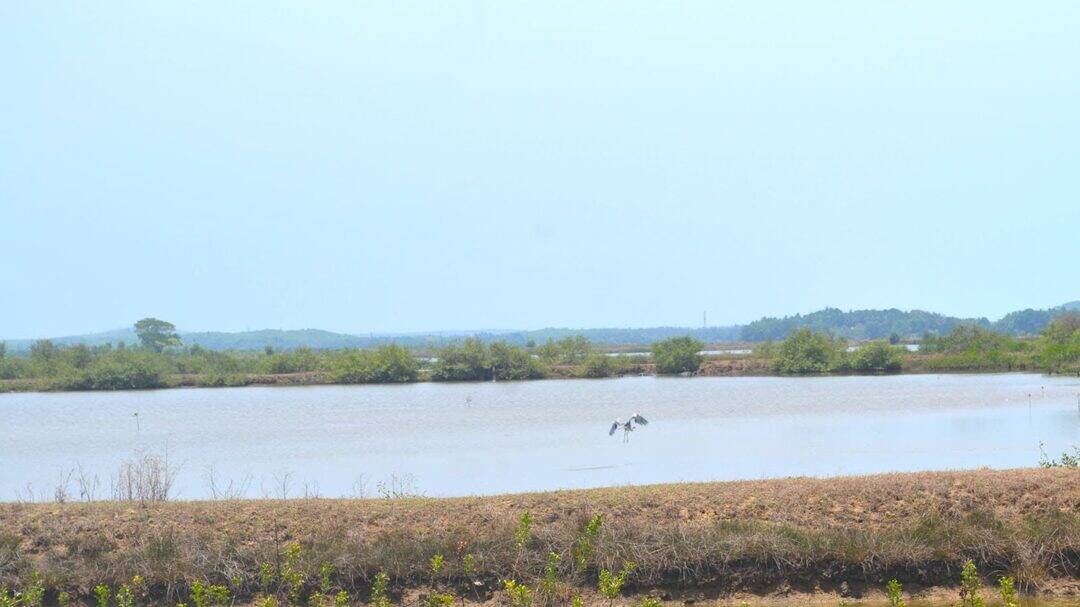
Sentinel-2 is a state-of-the-art satellite technology that uses high-resolution imaging to monitor and map India’s wetlands, which are crucial ecosystems that support a wide range of plant and animal species. The technology has been shown to identify submerged plants with an impressive 94% accuracy, making it a valuable tool for conservation efforts. In a recent study, the researchers used Sentinel-2 to monitor 500 of India’s largest wetlands, with alarming results.
The study found that nearly 100 lakes, mostly in central and southern India, have seen a major decline in vital plant life. This decline is a clear indication of the impact of climate change and human activities on India’s wetlands, and highlights the need for urgent climate action. The researchers used Sentinel-2 to analyze the plant life in these wetlands over a period of time, and the results show a significant decline in the health and diversity of plant species.
The decline of plant life in India’s wetlands has serious implications for the country’s biodiversity. Wetlands are crucial ecosystems that support a wide range of plant and animal species, and are also important for maintaining water quality and regulating the climate. The loss of plant life in these ecosystems can have a ripple effect, leading to the decline of animal species that depend on them for food and habitat.
The use of Sentinel-2 technology to monitor India’s wetlands is a significant step forward in the country’s conservation efforts. The technology allows researchers to track changes in plant life over time, and to identify areas that are most at risk. This information can be used to inform conservation efforts, and to develop targeted strategies for protecting India’s wetlands.
The development of Sentinel-2 is a collaboration between ISRO, IIST, and Gujarat University, and is a testament to the power of interdisciplinary research and collaboration. The technology has the potential to be used in a wide range of applications, from conservation to climate modeling, and is an important tool in the fight against climate change.
The study’s findings have significant implications for India’s conservation efforts, and highlight the need for urgent action to protect the country’s wetlands. The researchers are calling for increased funding and support for conservation efforts, as well as greater awareness and education about the importance of wetlands and the impact of climate change.
In addition to the use of Sentinel-2 technology, the researchers are also advocating for a range of other conservation strategies, including the restoration of degraded wetlands, the protection of wetland habitats, and the promotion of sustainable land use practices. These strategies can help to mitigate the impacts of climate change and human activities on India’s wetlands, and can help to protect the country’s biodiversity.
The use of Sentinel-2 technology is not limited to India, and has the potential to be used in a wide range of applications around the world. The technology can be used to monitor and map wetlands, forests, and other ecosystems, and can provide valuable insights into the impacts of climate change and human activities on these ecosystems.
In conclusion, the development of Sentinel-2 technology is a significant step forward in the protection of India’s biodiversity. The technology has the potential to be used in a wide range of applications, from conservation to climate modeling, and is an important tool in the fight against climate change. The study’s findings highlight the need for urgent climate action, and demonstrate the importance of continued research and development in the field of conservation.
As the world continues to grapple with the challenges of climate change, the use of technologies like Sentinel-2 will become increasingly important. These technologies can provide valuable insights into the impacts of climate change, and can help to inform conservation efforts. By working together to develop and deploy these technologies, we can help to protect the world’s biodiversity, and ensure a healthy and sustainable future for all.
About the Author