Goa considering Aus-like social media ban for children under 16
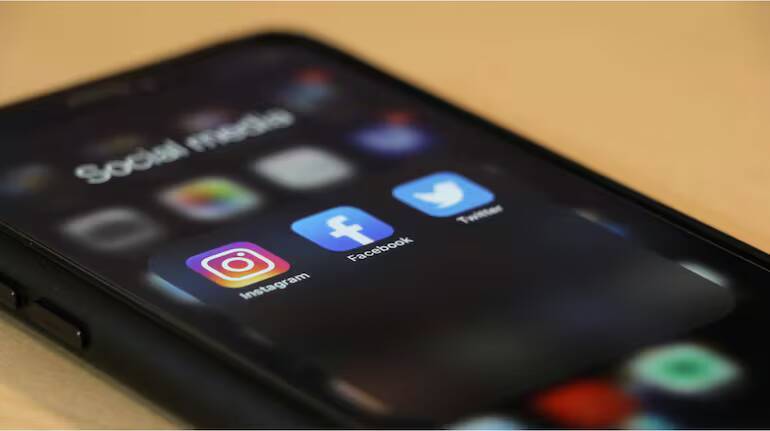
In a move that could have significant implications for the way children interact with social media, the Goa government is considering implementing a law that would ban social media for children below the age of 16. According to Tourism and Information Technology (IT) Minister Rohan Khaunte, the government is studying a law similar to one in Australia, which would restrict access to social media platforms for minors.
The decision to consider such a ban comes after the government received numerous complaints from parents who are concerned about the impact of social media on their children’s lives. “We’ve had a lot of complaints from parents…social media and some of these platforms are becoming a distraction for children,” Khaunte stated. This concern is not unique to Goa, as Andhra Pradesh is also considering a similar ban, highlighting the growing concern among parents and policymakers about the effects of social media on children.
The proposed ban is likely to be met with both support and criticism. On one hand, many parents and experts believe that social media can have a negative impact on children’s mental and emotional well-being, particularly if they are exposed to it at a young age. Studies have shown that excessive social media use can lead to increased stress, anxiety, and depression in children, as well as decreased attention span and decreased face-to-face communication skills. By banning social media for children under 16, the government may be able to mitigate these effects and promote healthier habits among young people.
On the other hand, some argue that a blanket ban on social media for children under 16 may not be the most effective solution. For one, it may be difficult to enforce, as children may find ways to access social media platforms despite the ban. Additionally, social media can also have positive effects on children’s lives, such as providing them with access to educational resources, connecting them with friends and family, and helping them develop important skills such as communication and critical thinking.
Furthermore, a ban on social media for children under 16 may also raise concerns about censorship and the role of government in regulating online activity. Some argue that such a ban could be seen as an overreach of government authority, and that it may infringe on the rights of children and their parents to make decisions about their own online activity.
Despite these concerns, the Goa government is moving forward with its plans to study the Australian law and consider implementing a similar ban. According to Khaunte, the government is committed to finding a solution that balances the need to protect children from the negative effects of social media with the need to promote healthy and responsible online behavior.
One possible approach that the government could take is to implement age restrictions on social media platforms, similar to those that exist for other online activities such as gambling or purchasing alcohol. This would require social media companies to verify the age of their users and prevent children under 16 from accessing their platforms.
Another approach could be to promote education and awareness about the potential risks and benefits of social media, and to provide parents and children with the tools and resources they need to navigate online safely. This could include initiatives such as online safety workshops, parental control software, and public awareness campaigns about the importance of responsible social media use.
Ultimately, the decision to ban social media for children under 16 is a complex one that requires careful consideration of the potential benefits and drawbacks. While there are valid concerns about the impact of social media on children’s lives, there are also potential risks and unintended consequences associated with such a ban. As the Goa government moves forward with its plans, it will be important to weigh these factors carefully and to consider the perspectives of parents, children, and experts in the field.
In conclusion, the proposed ban on social media for children under 16 in Goa is a significant development that highlights the growing concern about the impact of social media on children’s lives. While there are valid arguments on both sides of the debate, it is clear that the government is committed to finding a solution that promotes healthy and responsible online behavior among young people. As the debate continues, it will be important to consider the potential benefits and drawbacks of such a ban, and to work towards a solution that balances the need to protect children with the need to promote online freedom and responsibility.
About the Author