Goa considering Aus-like social media ban for children under 16
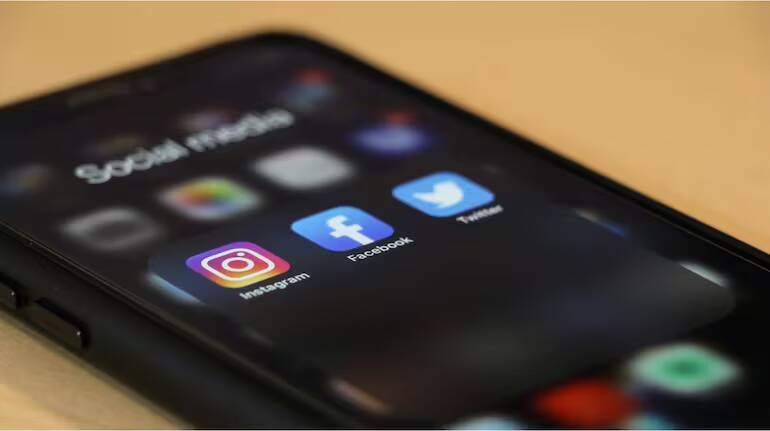
In a move that could have significant implications for the way children interact with technology, the Goa government is considering implementing an Australia-like law that would ban social media for children below the age of 16. This announcement was made by Tourism and Information Technology (IT) Minister Rohan Khaunte, who cited concerns about the impact of social media on children’s lives.
According to Khaunte, the government has received numerous complaints from parents about the negative effects of social media on their children. “We’ve had a lot of complaints from parents…social media and some of these platforms are becoming a distraction for children,” he stated. This sentiment is echoed by many parents and experts who believe that excessive social media use can have serious consequences for children’s mental and physical health, social skills, and academic performance.
The proposed ban is inspired by a similar law in Australia, which has been successful in reducing the amount of time children spend on social media. The Australian government has implemented various measures to regulate social media use among children, including age restrictions and parental controls. The Goa government is studying these measures and considering how they can be adapted to the Indian context.
Andhra Pradesh is also considering a similar ban, highlighting the growing concern about the impact of social media on children’s lives. This trend is not limited to India, as many countries around the world are grappling with the challenges of regulating social media use among children. The World Health Organization (WHO) has recommended that children over 2 years old limit their screen time to 1 hour per day, while children under 2 years old should have no screen time at all.
The potential benefits of a social media ban for children under 16 are numerous. For one, it could help reduce the risk of cyberbullying, which is a major concern for parents and educators. Social media can also be a significant distraction for children, taking away from time that could be spent on more productive activities like homework, reading, or outdoor play. Additionally, excessive social media use has been linked to increased rates of depression, anxiety, and other mental health problems among children.
However, implementing such a ban would not be without its challenges. For one, it would require significant cooperation from social media companies, which would need to implement age verification measures to prevent children from accessing their platforms. This could be a complex and costly process, particularly for smaller social media companies that may not have the resources to implement such measures.
Another challenge would be enforcing the ban, which would require significant resources and infrastructure. The government would need to establish a system for monitoring and regulating social media use among children, which could be difficult to implement and enforce. There is also the risk that children could find ways to circumvent the ban, using VPNs or other tools to access social media platforms.
Despite these challenges, the proposed ban has been welcomed by many parents and educators who believe that it could have a positive impact on children’s lives. As Khaunte noted, the goal of the ban is not to deprive children of the benefits of technology, but to ensure that they use it in a responsible and healthy way. “We want to ensure that children are not addicted to social media and that they use it in a way that is beneficial to them,” he said.
In conclusion, the proposed social media ban for children under 16 in Goa is a significant development that highlights the growing concern about the impact of social media on children’s lives. While there are challenges to implementing such a ban, the potential benefits are significant. As the government moves forward with this proposal, it will be important to consider the perspectives of all stakeholders, including parents, educators, and social media companies. By working together, we can create a healthier and more responsible social media environment for children.
About the Author