Goa considering Aus-like social media ban for children under 16
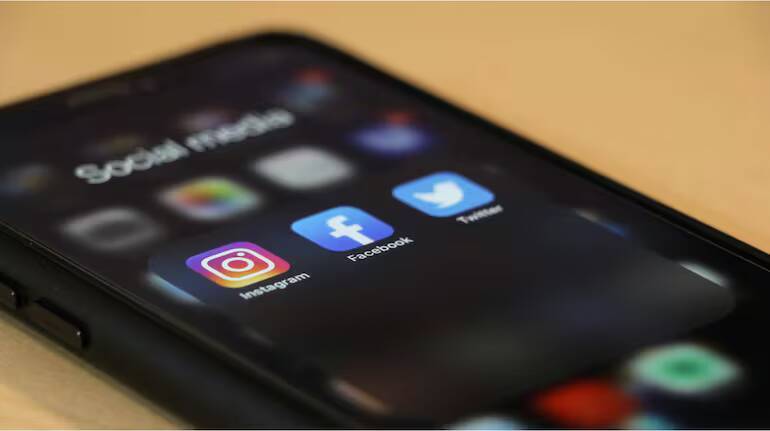
In a bid to protect children from the potential dangers of social media, the Goa government is considering implementing a law that bans social media for children below the age of 16. This move is inspired by a similar law in Australia, which has been successful in reducing the amount of time children spend on social media. According to Tourism and Information Technology (IT) Minister Rohan Khaunte, the government has been receiving numerous complaints from parents about the negative impact of social media on their children.
“We’ve had a lot of complaints from parents…social media and some of these platforms are becoming a distraction for children,” Khaunte stated. This concern is not unique to Goa, as other states in India, such as Andhra Pradesh, are also considering similar bans. The proposed ban aims to shield children from the potential risks associated with social media, including cyberbullying, online harassment, and exposure to inappropriate content.
The idea of banning social media for children under 16 is not new, and several countries have implemented similar laws to protect their young citizens. In Australia, for example, the government has introduced laws that require social media companies to verify the age of their users and prevent children under the age of 16 from creating accounts. This move has been successful in reducing the amount of time children spend on social media, and the Goa government is keen to replicate this success.
The proposed ban in Goa is still in its preliminary stages, and the IT department is currently studying the Australian law to determine its feasibility in the Indian context. The government is also engaging with parents, educators, and social media companies to gather feedback and suggestions on the proposed ban. While some may argue that a ban on social media for children under 16 is an overreach, others believe that it is a necessary measure to protect children from the potential dangers of social media.
One of the primary concerns about social media is its impact on children’s mental health. Studies have shown that excessive social media use can lead to increased stress, anxiety, and depression in children. Social media platforms can also be breeding grounds for cyberbullying, online harassment, and other forms of abuse. By banning social media for children under 16, the Goa government hopes to reduce the risk of these negative consequences and promote healthier online habits.
Another concern is the impact of social media on children’s education. Social media can be a significant distraction for children, and excessive use can lead to decreased attention span, reduced academic performance, and lower grades. By limiting access to social media, the government hopes to encourage children to focus on their studies and engage in more productive activities.
While the proposed ban has its benefits, it also raises several questions and concerns. For example, how will the government enforce the ban, and what measures will be taken to prevent children from accessing social media through proxy servers or other means? How will the ban affect children who use social media for educational or creative purposes? These are some of the questions that the government will need to address as it moves forward with the proposed ban.
In conclusion, the Goa government’s proposal to ban social media for children under 16 is a welcome move that aims to protect children from the potential dangers of social media. While there are concerns about the feasibility and effectiveness of the ban, it is a step in the right direction. As the government moves forward with the proposed ban, it is essential to engage with parents, educators, and social media companies to ensure that the ban is effective and does not have unintended consequences.
The proposed ban is also a reminder of the need for parents and educators to be more vigilant about children’s online activities. Parents should be aware of the potential risks associated with social media and take steps to monitor their children’s online activities. Educators should also incorporate digital literacy and online safety into their curriculum to equip children with the skills they need to navigate the online world safely.
As the debate around the proposed ban continues, it is essential to remember that the goal is to protect children from harm and promote healthier online habits. While social media has its benefits, it is crucial to acknowledge its potential risks and take steps to mitigate them. The Goa government’s proposal is a step in the right direction, and it is hoped that other states in India will follow suit.
About the Author