Goa considering Aus-like social media ban for children under 16
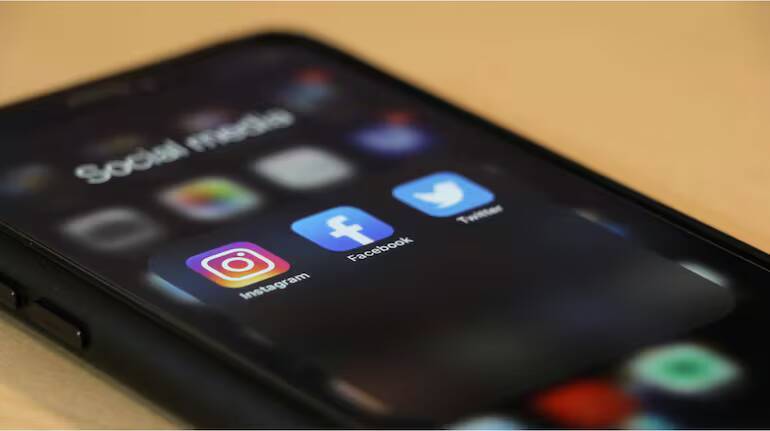
The Goa government has sparked a heated debate by announcing that it is considering implementing a law that bans social media for children below the age of 16, similar to a law in Australia. This move has been prompted by numerous complaints from parents who are concerned about the impact of social media on their children’s lives. According to Tourism and Information Technology (IT) Minister Rohan Khaunte, the government has been receiving a lot of complaints from parents about the distractions caused by social media and its effects on children.
Khaunte stated that social media and some of these platforms are becoming a distraction for children, which is why the government is considering taking drastic measures to limit their access to these platforms. The proposed ban is aimed at protecting children from the potential harm caused by excessive social media use, including cyberbullying, online harassment, and decreased attention span. The government believes that by banning social media for children under 16, they can help them focus on their studies and other activities that are essential for their development.
The idea of banning social media for children is not new, and several countries have already implemented similar laws. For instance, Australia has a law that prohibits children under the age of 16 from using social media without parental consent. The law requires social media companies to obtain parental consent before allowing children to create an account. This law has been in place for several years, and it has been effective in reducing the number of children who use social media without parental supervision.
Andhra Pradesh is also considering a similar ban, which highlights the growing concern among governments about the impact of social media on children. The proposed ban in Goa and Andhra Pradesh is a clear indication that governments are taking the issue of social media use among children seriously and are willing to take drastic measures to protect them.
The proposed ban has sparked a heated debate, with some people arguing that it is an overreach of government power and an infringement on individual freedom. Others argue that the ban is necessary to protect children from the potential harm caused by social media. While some parents welcome the move, others are concerned that it will be difficult to enforce and may not be effective in achieving its intended goal.
One of the main challenges in enforcing the ban is the fact that many children have access to social media through their parents’ or siblings’ accounts. Additionally, many social media companies do not have robust age verification processes in place, which makes it difficult to determine the age of users. This means that even if the ban is implemented, it may be difficult to prevent children from accessing social media.
Another challenge is the fact that social media is an integral part of modern life, and many children use it for educational and social purposes. Banning social media altogether may not be the most effective solution, as it may deprive children of the benefits of social media, such as access to educational resources and the ability to connect with others.
Instead of a blanket ban, some experts argue that the government should focus on educating children and parents about the potential risks of social media and how to use it responsibly. This approach would empower children and parents to make informed decisions about social media use and would help to promote healthy social media habits.
The government should also work with social media companies to develop more robust age verification processes and to implement measures that prevent children from accessing inappropriate content. This could include the use of artificial intelligence to detect and remove explicit content, as well as the implementation of parental controls that allow parents to monitor their children’s social media activity.
In conclusion, the proposed ban on social media for children under 16 in Goa is a complex issue that requires careful consideration. While the intention behind the ban is to protect children from the potential harm caused by social media, it is essential to weigh the potential benefits against the potential drawbacks. The government should consider alternative approaches, such as education and awareness campaigns, and work with social media companies to develop more robust age verification processes and parental controls.
Ultimately, the goal should be to promote healthy social media habits among children and to ensure that they are able to use social media in a way that is safe and beneficial. By taking a nuanced and multi-faceted approach, the government can help to protect children from the potential harm caused by social media while also promoting the benefits of social media use.
About the Author