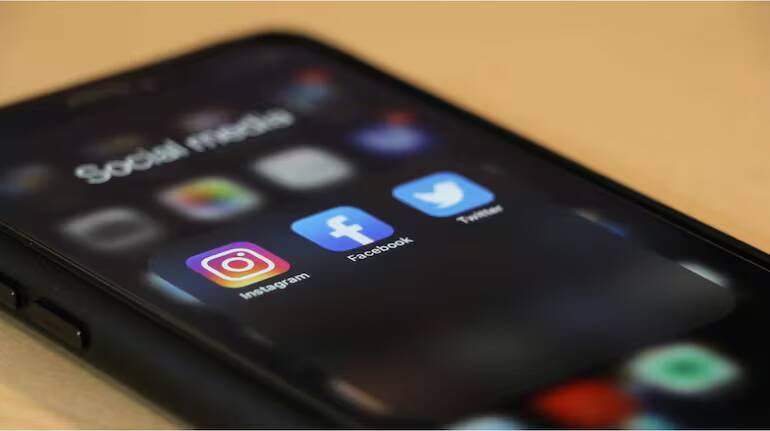
Goa considering Aus-like social media ban for children under 16
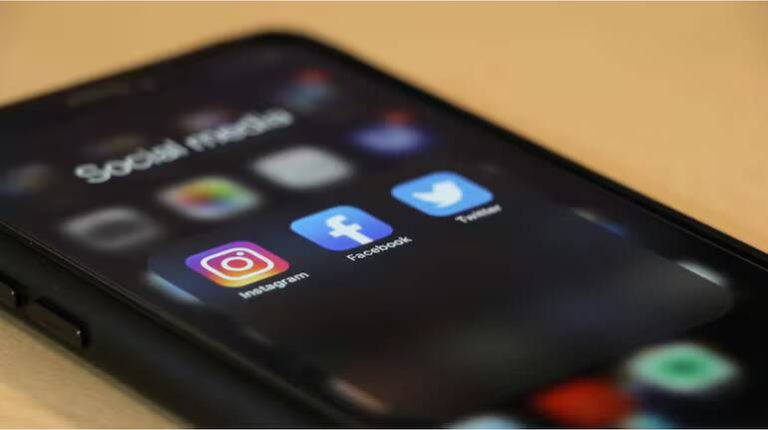
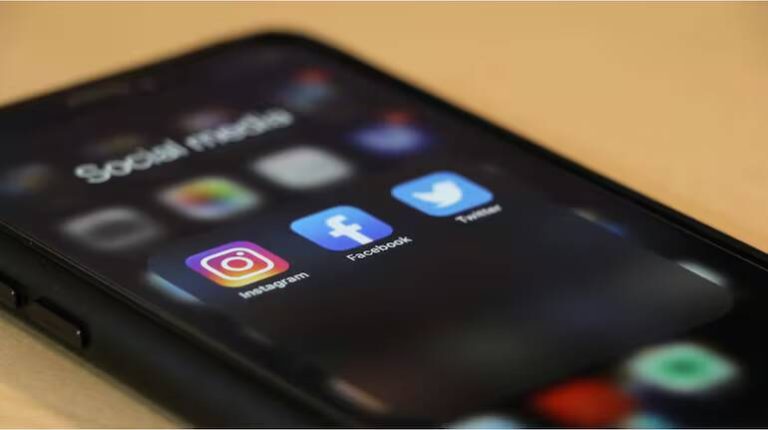
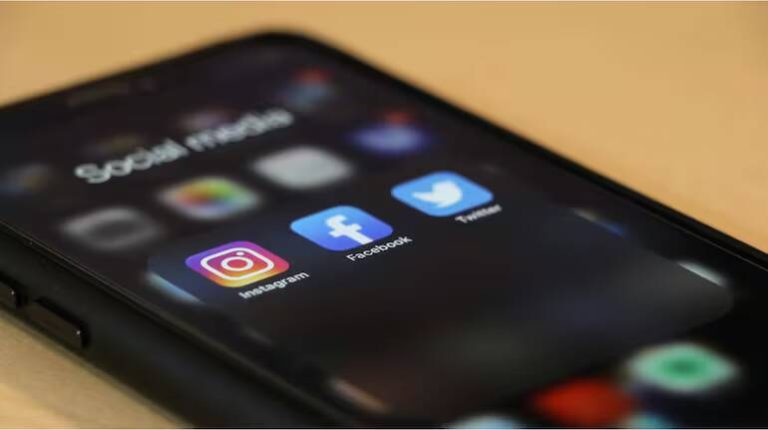
In a bid to curb the growing concerns over the impact of social media on children, the Goa government is considering implementing a law that bans social media for children below the age of 16, similar to the one in Australia. This move comes as a response to the numerous complaints from parents who are worried about the excessive use of social media by their children, which is affecting their studies and overall well-being.
According to Tourism and Information Technology (IT) Minister Rohan Khaunte, the state government has been receiving a lot of complaints from parents regarding the excessive use of social media by their children. “We’ve had a lot of complaints from parents…social media and some of these platforms are becoming a distraction for children,” Khaunte stated. The minister further added that the government is studying the Australia-like law, which bans social media for children under the age of 16, and is considering implementing a similar ban in the state.
This move is not unique to Goa, as Andhra Pradesh is also considering a similar ban. The increasing concern over the impact of social media on children has prompted several state governments to take action. The excessive use of social media has been linked to various negative effects on children, including decreased attention span, increased risk of cyberbullying, and decreased physical activity.
The proposed ban is likely to be implemented by the IT department, which is currently studying the Australia-like law. The law in Australia bans social media companies from collecting data from children under the age of 16 without parental consent. The law also requires social media companies to take measures to protect children from online harm, including cyberbullying and online harassment.
The move to ban social media for children under 16 has been welcomed by many parents, who are concerned about the impact of social media on their children’s lives. However, some have also raised concerns about the effectiveness of such a ban, citing the difficulty in implementing and enforcing it. Others have argued that education and awareness about the responsible use of social media are more effective solutions than a blanket ban.
The issue of social media addiction among children is a complex one, and there are no easy solutions. While a ban on social media for children under 16 may seem like a drastic measure, it is a step in the right direction. It highlights the need for parents, educators, and policymakers to take a closer look at the impact of social media on children and to find ways to mitigate its negative effects.
In recent years, there has been a growing body of research on the impact of social media on children. Studies have shown that excessive social media use can lead to a range of negative effects, including decreased attention span, increased risk of cyberbullying, and decreased physical activity. Social media can also have a profound impact on children’s mental health, with many reporting feelings of anxiety, depression, and loneliness.
The proposed ban on social media for children under 16 is a recognition of the need to protect children from the potential harms of social media. However, it is also important to recognize that social media is not inherently bad, and that it can have many positive effects on children’s lives. Social media can provide children with access to a wealth of information, connect them with others, and provide a platform for self-expression.
Ultimately, the key to mitigating the negative effects of social media on children is education and awareness. Parents, educators, and policymakers must work together to educate children about the responsible use of social media and to provide them with the skills and knowledge they need to navigate the online world safely. This includes teaching children about online safety, digital citizenship, and media literacy.
In conclusion, the proposed ban on social media for children under 16 in Goa is a step in the right direction. It highlights the need for parents, educators, and policymakers to take a closer look at the impact of social media on children and to find ways to mitigate its negative effects. While a ban on social media may not be the solution to all the problems associated with social media addiction, it is a recognition of the need to protect children from the potential harms of social media. As we move forward, it is essential that we prioritize education and awareness about the responsible use of social media and provide children with the skills and knowledge they need to navigate the online world safely.
About the Author