Goa considering Aus-like social media ban for children under 16
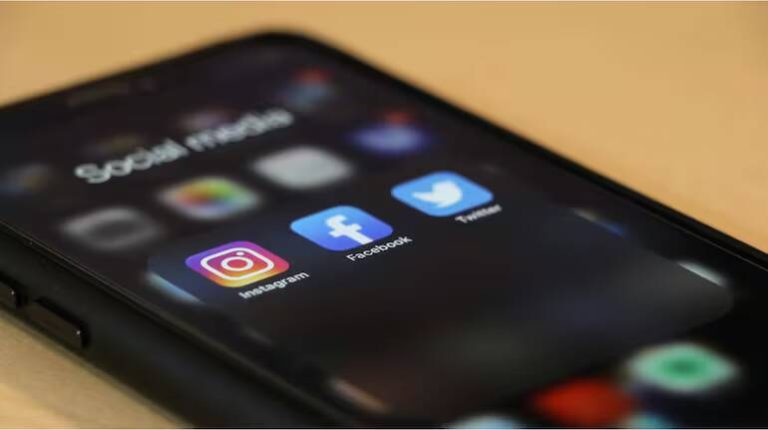
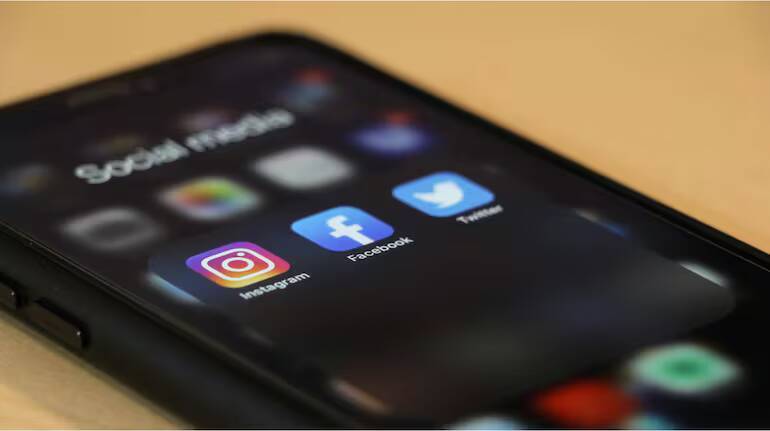
In a move that could have significant implications for the way children interact with technology, the Goa government is considering implementing an Australia-like law that would ban social media for children below the age of 16. According to Tourism and Information Technology (IT) Minister Rohan Khaunte, the state government has been receiving a plethora of complaints from parents who are concerned about the impact of social media on their children’s lives.
“We’ve had a lot of complaints from parents…social media and some of these platforms are becoming a distraction for children,” Khaunte stated. This sentiment is echoed by many parents across the country, who are worried about the effects of excessive social media use on their children’s mental and physical health, social skills, and academic performance.
The proposed ban is not unique to Goa, as Andhra Pradesh is also considering a similar law. This move is part of a broader effort by state governments to regulate the use of social media and protect children from its potential harms. The idea of banning social media for children under 16 is not new, and several countries have already implemented or are considering similar laws.
So, what are the potential benefits and drawbacks of such a ban? On the one hand, restricting social media use among children could help to reduce the risk of cyberbullying, online harassment, and exposure to inappropriate content. It could also help to minimize the distractions that social media can pose, allowing children to focus on their studies and other activities.
On the other hand, a blanket ban on social media for children under 16 could be seen as overly restrictive and potentially counterproductive. Social media can be a valuable tool for children to connect with others, learn new things, and develop important skills such as communication, collaboration, and critical thinking.
Moreover, implementing such a ban could be challenging, if not impossible. Children can easily access social media platforms using their parents’ or friends’ devices, or by creating fake accounts. Additionally, a ban could drive social media use underground, making it harder for parents and authorities to monitor and regulate.
The Australian law that Goa is looking to emulate is likely the “Online Safety Act,” which was passed in 2021. This law requires social media companies to take steps to protect children from online harm, including cyberbullying, harassment, and exploitation. It also gives the Australian government the power to block or remove online content that is deemed harmful to children.
While the details of the proposed ban in Goa are still sketchy, it is clear that the state government is taking the issue of social media use among children seriously. As Khaunte noted, the IT department is studying the Australian law and will come up with a proposal that takes into account the concerns of parents, children, and other stakeholders.
Ultimately, the key to regulating social media use among children is not to ban it outright, but to educate them about the potential risks and benefits of social media, and to provide them with the skills and knowledge they need to use these platforms safely and responsibly. Parents, educators, and policymakers must work together to create a framework that balances the need to protect children from harm with the need to allow them to access the many benefits that social media has to offer.
As the debate over social media use among children continues, it is essential to consider the potential consequences of any proposed ban or regulation. While the intention behind such moves may be to protect children, it is crucial to ensure that any measures taken are proportionate, effective, and do not infringe on the rights of children to access information and communicate with others.
In conclusion, the proposed ban on social media for children under 16 in Goa is a significant development that highlights the growing concerns about the impact of social media on children’s lives. While the idea of a ban may seem appealing to some, it is essential to approach this issue with caution and to consider the potential benefits and drawbacks of any proposed regulation. By working together and taking a nuanced approach, we can create a safer and more responsible social media environment for children, without restricting their access to the many benefits that these platforms have to offer.
About the Author