Goa considering Aus-like social media ban for children under 16
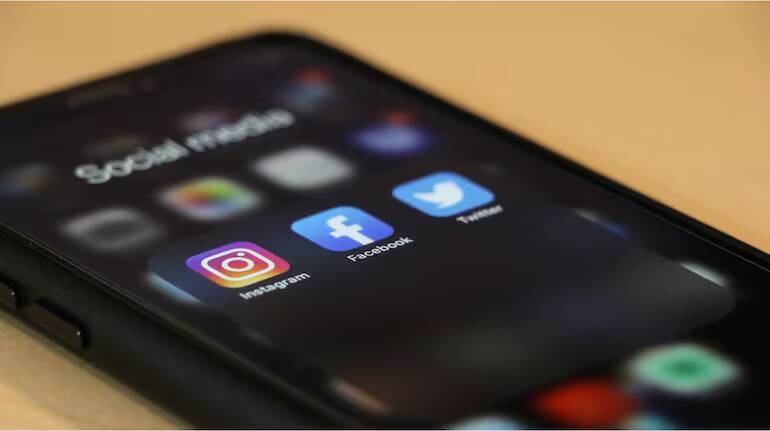
The world of social media has become an integral part of our daily lives, and its impact on children has been a topic of concern for parents, educators, and policymakers alike. In an effort to mitigate the negative effects of social media on young minds, the Goa government is considering implementing a law that bans social media for children below the age of 16, similar to the one in Australia. This move is aimed at protecting children from the potential harm caused by excessive social media usage, which can lead to addiction, decreased attention span, and increased exposure to cyberbullying and online harassment.
According to Tourism and Information Technology (IT) Minister Rohan Khaunte, the decision to consider this ban was prompted by numerous complaints from parents who are worried about the impact of social media on their children’s lives. “We’ve had a lot of complaints from parents…social media and some of these platforms are becoming a distraction for children,” Khaunte stated. This concern is not unique to Goa, as Andhra Pradesh is also considering a similar ban, highlighting the growing awareness about the need to regulate social media usage among children.
The proposed ban is inspired by Australia’s laws, which have been successful in limiting social media access to children. The Australian government has implemented various measures to protect children from the potential harm caused by social media, including age restrictions and strict guidelines for social media companies. By studying these laws, the Goa government aims to create a similar framework that will safeguard children from the negative effects of social media.
The idea of banning social media for children under 16 may seem drastic, but it is essential to consider the potential benefits of such a move. Excessive social media usage has been linked to various problems, including decreased attention span, increased risk of cyberbullying, and decreased face-to-face communication skills. By limiting social media access to children, the government can help prevent these problems and promote healthier habits among young people.
Moreover, this ban can also help parents who are struggling to monitor their children’s social media usage. Many parents are concerned about the content their children are exposed to online, but they often lack the technical expertise to effectively monitor and control their children’s social media activities. By implementing a ban, the government can take some of the burden off parents and help them protect their children from the potential harm caused by social media.
However, it is also essential to consider the potential challenges and limitations of implementing such a ban. Social media is a ubiquitous part of modern life, and completely banning it for children under 16 may not be practical or effective. Many children use social media for educational purposes, such as research and online learning, and banning it entirely may deprive them of these benefits. Additionally, social media companies may resist such a ban, as it could impact their business models and revenue streams.
To address these challenges, the government will need to develop a comprehensive framework that balances the need to protect children with the need to allow them to access social media for legitimate purposes. This may involve implementing age restrictions, strict guidelines for social media companies, and education programs that teach children about the responsible use of social media.
In conclusion, the Goa government’s decision to consider an Australia-like social media ban for children under 16 is a step in the right direction. While there are potential challenges and limitations to such a ban, the benefits of protecting children from the negative effects of social media cannot be ignored. By studying the laws and regulations in place in Australia and other countries, the government can develop a comprehensive framework that safeguards children while allowing them to access social media for legitimate purposes.
As the government moves forward with this proposal, it is essential to engage with stakeholders, including parents, educators, and social media companies, to ensure that the ban is effective and practical. By working together, we can create a safer and healthier online environment for children, and help them develop the skills and habits they need to thrive in the digital age.
About the Author