Goa considering Aus-like social media ban for children under 16
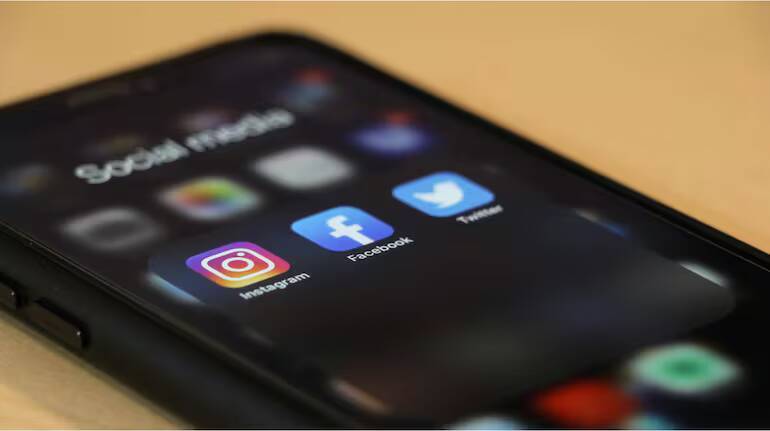
In a move that could have significant implications for the way children interact with social media, the Goa government is considering implementing a law that would ban social media for children below the age of 16. This move is inspired by a similar law in Australia, and it’s aimed at reducing the distractions and potential harms that social media can pose to young minds. According to Tourism and Information Technology (IT) Minister Rohan Khaunte, the government has been receiving numerous complaints from parents who are concerned about the impact of social media on their children.
“We’ve had a lot of complaints from parents…social media and some of these platforms are becoming a distraction for children,” Khaunte stated. This concern is not unique to Goa, as Andhra Pradesh is also considering a similar ban. The proposed law would prohibit children under the age of 16 from using social media platforms, and it would require these platforms to verify the age of their users. This move is part of a broader effort to regulate the use of social media and protect children from its potential harms.
The idea of banning social media for children under 16 may seem drastic, but it’s a measure that’s been inspired by the Australian government’s efforts to regulate social media. In Australia, there are laws in place that require social media companies to obtain parental consent before collecting data from children under the age of 16. This law is part of the Australian government’s efforts to protect children from online harm and to ensure that social media companies are transparent about their data collection practices.
The Goa government’s proposal to ban social media for children under 16 is still in its early stages, and it’s not yet clear how the law would be enforced. However, the government is studying the Australian law and exploring ways to implement similar regulations in Goa. The IT department is also working on a proposal to regulate social media platforms and ensure that they comply with the proposed law.
The potential benefits of such a law are numerous. For one, it could help reduce the distractions that social media can pose to children. Social media can be a significant distraction for children, and it can interfere with their ability to focus on their studies and other activities. By banning social media for children under 16, the government may be able to help children develop healthier habits and reduce their reliance on social media.
Another potential benefit of the proposed law is that it could help protect children from online harm. Social media can be a breeding ground for bullying, harassment, and other forms of online abuse. By banning social media for children under 16, the government may be able to reduce the risk of children being exposed to these harms. Additionally, the law could help protect children from the potential mental health impacts of social media, such as anxiety, depression, and loneliness.
However, the proposed law is not without its challenges. For one, it may be difficult to enforce, as children may find ways to circumvent the ban by using VPNs or other technologies to access social media. Additionally, the law may raise concerns about freedom of expression and the right to access information. Social media is an important platform for children to express themselves, connect with others, and access information, and banning it outright may be seen as an overreach by the government.
Despite these challenges, the Goa government’s proposal to ban social media for children under 16 is an important step in the right direction. It recognizes the potential harms that social media can pose to children and it seeks to address these harms in a proactive way. As the government moves forward with the proposal, it will be important to consider the potential implications and to ensure that the law is enforced in a way that is fair, effective, and respectful of children’s rights.
In conclusion, the Goa government’s proposal to ban social media for children under 16 is a significant development that could have important implications for the way children interact with social media. While the proposal is still in its early stages, it’s an important step in the right direction, and it recognizes the potential harms that social media can pose to children. As the government moves forward with the proposal, it will be important to consider the potential implications and to ensure that the law is enforced in a way that is fair, effective, and respectful of children’s rights.
About the Author