Goa considering Aus-like social media ban for children under 16
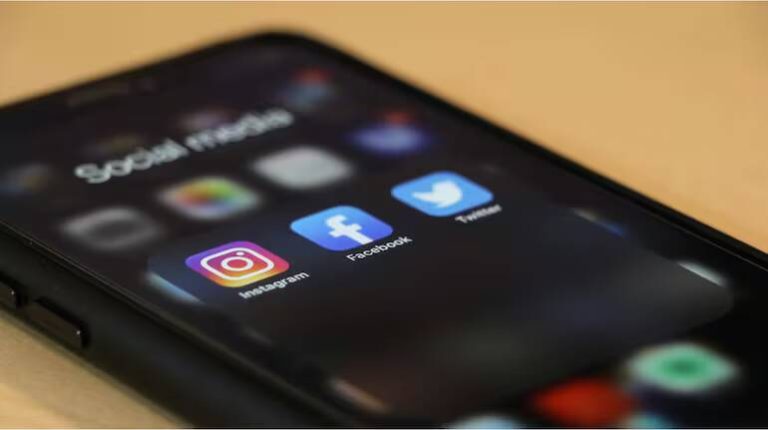
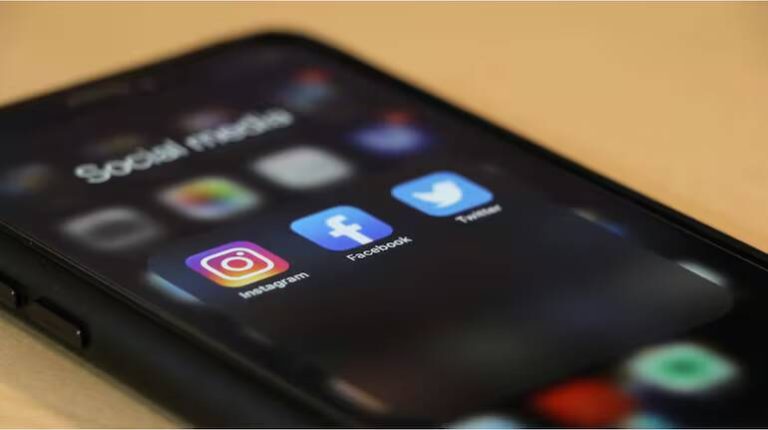
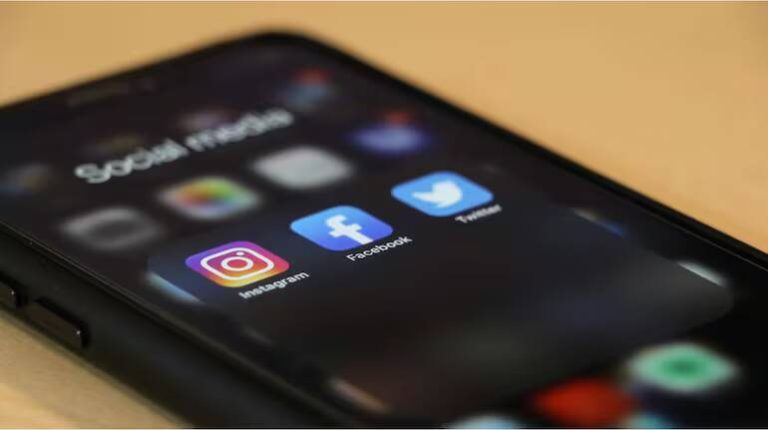
In a move to protect children from the potential harms of social media, the Goa government is considering implementing a law that bans social media for children below the age of 16. This decision comes after the state received numerous complaints from parents regarding the negative impact of social media on their children’s lives. Tourism and Information Technology (IT) Minister Rohan Khaunte announced that the government is studying a similar law implemented in Australia, which restricts social media access to children under the age of 16.
According to Minister Khaunte, the government has been flooded with complaints from parents who are concerned about the excessive use of social media by their children. “We’ve had a lot of complaints from parents…social media and some of these platforms are becoming a distraction for children,” Khaunte stated. This distraction, he believes, is affecting the overall well-being and academic performance of children. The proposed ban aims to mitigate these negative effects and ensure that children under 16 are protected from the potential harms of social media.
The idea of banning social media for children under 16 is not new, and several countries have already implemented or are considering similar laws. Australia, for instance, has been studying the effects of social media on children and has implemented laws to restrict access to social media platforms for children under 16. The Australian government has also introduced measures to regulate social media companies and ensure that they prioritize the safety and well-being of children on their platforms.
In India, Andhra Pradesh is also considering a similar ban on social media for children under 16. The state government has announced plans to introduce a law that restricts social media access to children below the age of 16, citing concerns about the negative impact of social media on children’s mental health and academic performance.
The proposed ban in Goa has sparked a debate about the role of social media in children’s lives and the need for regulation to protect them from harm. While some argue that social media can be a valuable tool for learning and socialization, others believe that it can have negative effects on children’s mental health, self-esteem, and academic performance.
Studies have shown that excessive social media use can lead to a range of negative effects, including increased risk of depression, anxiety, and sleep deprivation. Social media can also create unrealistic expectations and promote consumerism, materialism, and narcissism. Furthermore, social media platforms can be breeding grounds for cyberbullying, online harassment, and exploitation.
In this context, the proposed ban on social media for children under 16 in Goa can be seen as a welcome move. By restricting access to social media, the government aims to protect children from the potential harms of social media and promote a healthier and more balanced lifestyle.
However, implementing such a ban will not be without its challenges. Social media companies may resist the move, citing concerns about freedom of expression and the potential impact on their business models. Additionally, enforcing the ban may require significant resources and infrastructure, including monitoring and regulation of social media platforms.
Despite these challenges, the proposed ban on social media for children under 16 in Goa is an important step towards protecting children from the potential harms of social media. As Minister Khaunte noted, the government has a responsibility to ensure that children are protected from harm, and this includes regulating social media platforms to prioritize their safety and well-being.
In conclusion, the Goa government’s decision to consider a ban on social media for children under 16 is a timely and important move. As the state studies the Australian law and considers implementing similar measures, it is essential to weigh the potential benefits and challenges of such a ban. By protecting children from the potential harms of social media, the government can promote a healthier and more balanced lifestyle, and ensure that children are able to thrive in a rapidly changing world.
About the Author