Goa considering Aus-like social media ban for children under 16
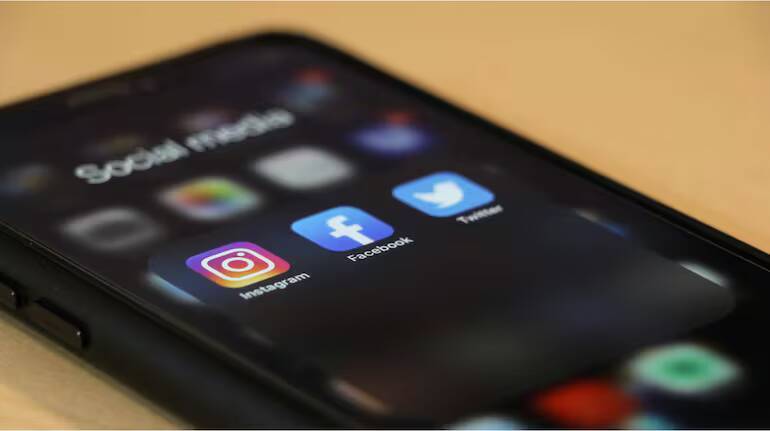
The world of social media has become an integral part of our daily lives, and its impact on children has been a topic of concern for many parents and authorities. The Goa government has recently announced that it is considering implementing a law that bans social media for children below the age of 16, similar to the one in Australia. This move is aimed at reducing the distractions and negative effects that social media can have on children, and promoting a healthier and more balanced lifestyle.
According to Tourism and Information Technology (IT) Minister Rohan Khaunte, the government has received numerous complaints from parents about the excessive use of social media by their children. “We’ve had a lot of complaints from parents…social media and some of these platforms are becoming a distraction for children,” Khaunte stated. This concern is not unique to Goa, as Andhra Pradesh is also considering a similar ban on social media for children under 16.
The proposed ban is likely to be modeled after the Australian law, which has been in place for some time now. The Australian government has implemented various measures to regulate social media use among children, including age restrictions and strict guidelines for social media platforms. The Goa government is currently studying the Australian law and exploring ways to implement similar regulations in the state.
The move to ban social media for children under 16 has been welcomed by many parents, who feel that it will help reduce the distractions and negative effects of social media on their children. Excessive social media use has been linked to various problems, including decreased attention span, increased risk of cyberbullying, and decreased physical activity. By banning social media for children under 16, the Goa government hopes to promote a healthier and more balanced lifestyle among its young citizens.
However, the implementation of such a ban is not without its challenges. One of the main concerns is how to enforce the ban, given the widespread use of social media among children. Many children have access to social media through their parents’ or friends’ devices, and it may be difficult to monitor and regulate their use. Additionally, there are concerns about the potential impact on education and socialization, as social media is often used as a tool for learning and communication.
Despite these challenges, the Goa government is determined to move forward with the proposed ban. The government plans to work with social media platforms, schools, and parents to implement the ban and educate children about the responsible use of social media. The government also plans to establish a regulatory framework to monitor and regulate social media use among children.
The proposed ban on social media for children under 16 in Goa is a significant step towards promoting a healthier and more balanced lifestyle among its young citizens. While there are challenges to be addressed, the move is a positive step towards reducing the distractions and negative effects of social media on children. As the world becomes increasingly digital, it is essential to regulate social media use among children and promote responsible use of technology.
In conclusion, the Goa government’s proposal to ban social media for children under 16 is a welcome move that has the potential to promote a healthier and more balanced lifestyle among its young citizens. While there are challenges to be addressed, the move is a positive step towards reducing the distractions and negative effects of social media on children. As the world becomes increasingly digital, it is essential to regulate social media use among children and promote responsible use of technology.
About the Author