Goa considering Aus-like social media ban for children under 16
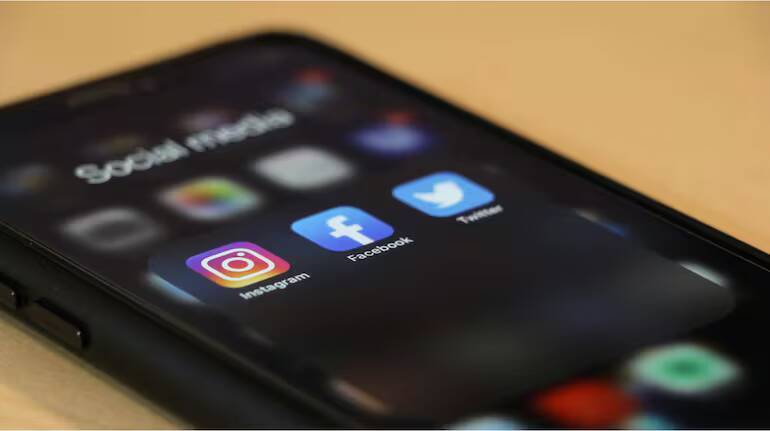
In a move that could have significant implications for the way children interact with social media, the Goa government is considering implementing a law that would ban social media for children below the age of 16. This move is inspired by a similar law in Australia, and is aimed at reducing the distractions and potential harm that social media can cause to young minds. According to Tourism and Information Technology (IT) Minister Rohan Khaunte, the government has been receiving numerous complaints from parents about the negative impact of social media on their children.
“We’ve had a lot of complaints from parents…social media and some of these platforms are becoming a distraction for children,” Khaunte stated. This concern is not unique to Goa, as Andhra Pradesh is also considering a similar ban. The proposed law would prohibit children under the age of 16 from accessing social media platforms, in an effort to protect them from the potential risks and distractions associated with these platforms.
The idea of banning social media for children under 16 may seem drastic, but it is rooted in a growing concern about the impact of social media on young minds. Research has shown that excessive social media use can lead to a range of negative effects, including decreased attention span, increased stress and anxiety, and decreased face-to-face communication skills. Furthermore, social media platforms can be breeding grounds for cyberbullying, online harassment, and other forms of abuse.
In addition to these risks, social media can also be a significant distraction for children, taking away from time that could be spent on more productive and enriching activities. With the rise of social media, many children are spending hours each day scrolling through their feeds, watching videos, and interacting with their online friends. While social media can be a useful tool for connecting with others and accessing information, it is clear that excessive use can have negative consequences.
The proposed law in Goa is not without its challenges, however. Implementing a ban on social media for children under 16 would require significant resources and infrastructure, including the development of age-verification systems and the establishment of effective enforcement mechanisms. Additionally, such a ban could be seen as an infringement on the rights of children to access information and communicate with others.
Despite these challenges, the Goa government is moving forward with its plans to study the Australian law and determine whether a similar ban could be effective in the state. According to Khaunte, the government is committed to finding a solution that balances the need to protect children with the need to ensure that they have access to the information and resources they need to succeed.
As the debate over the proposed law continues, it is clear that the issue of social media use among children is complex and multifaceted. While some argue that a ban on social media for children under 16 is necessary to protect them from harm, others argue that such a ban would be overly restrictive and ineffective. Ultimately, the decision to implement such a ban will depend on a careful consideration of the potential benefits and drawbacks, as well as the development of effective enforcement mechanisms.
In conclusion, the proposed law in Goa to ban social media for children under 16 is a significant development that highlights the growing concern about the impact of social media on young minds. While the idea of such a ban may seem drastic, it is rooted in a genuine concern about the potential risks and distractions associated with social media. As the government moves forward with its plans to study the Australian law and determine whether a similar ban could be effective, it is clear that the issue of social media use among children will continue to be a topic of debate and discussion.
About the Author