Goa considering Aus-like social media ban for children under 16
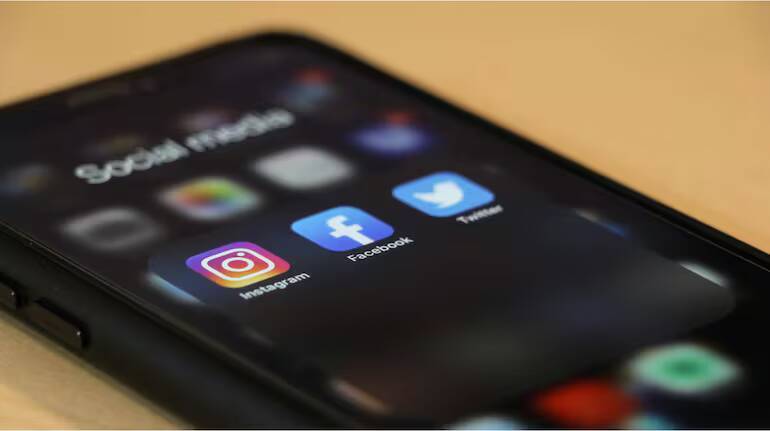
In a bid to protect children from the potential harm of social media, the Goa government is considering implementing a law that would ban social media for children below the age of 16. This move is inspired by a similar law in Australia, and it’s not just Goa that’s exploring this option – Andhra Pradesh is also considering a similar ban. The proposal has sparked a heated debate about the role of social media in the lives of children and the responsibility of governments to regulate it.
According to Tourism and Information Technology (IT) Minister Rohan Khaunte, the government has received numerous complaints from parents about the impact of social media on their children. “We’ve had a lot of complaints from parents…social media and some of these platforms are becoming a distraction for children,” Khaunte stated. This concern is not unique to Goa, as parents and governments around the world are grappling with the challenges posed by social media.
The proposed ban is not just about protecting children from the potential harm of social media, but also about promoting healthy habits and reducing the risk of addiction. Social media can be a significant distraction for children, affecting their academic performance, social skills, and mental health. By banning social media for children under 16, the Goa government hopes to mitigate these risks and promote a healthier environment for children to grow and develop.
The Australian law that Goa is drawing inspiration from is likely the “Online Safety Act,” which was passed in 2021. This law requires social media companies to take steps to protect children from online harm, including removing harmful content and providing tools for parents to control their children’s online activities. The law also establishes a regulator to oversee the online safety of children and to take enforcement action against companies that fail to comply.
While the proposed ban in Goa is still in its infancy, it’s likely to face significant challenges in implementation. Social media companies have a significant presence in India, and they may resist efforts to restrict their services. Additionally, the ban may be difficult to enforce, as children may find ways to access social media through VPNs or other means.
Despite these challenges, the proposed ban has sparked an important conversation about the role of social media in the lives of children. Social media companies have a responsibility to protect children from harm, and governments have a responsibility to regulate these companies to ensure they are meeting this responsibility. The proposed ban in Goa is a step in the right direction, as it recognizes the potential harm of social media and takes steps to mitigate it.
The impact of social media on children is a complex issue, and there are no easy solutions. However, by exploring options like the proposed ban in Goa, governments can promote a healthier environment for children to grow and develop. It’s essential to have a nuanced conversation about the role of social media in the lives of children and to consider all the potential consequences of any proposed ban.
In conclusion, the proposed ban on social media for children under 16 in Goa is a significant development that highlights the growing concern about the impact of social media on children. While the proposal is still in its infancy, it’s essential to have a comprehensive conversation about the role of social media in the lives of children and the responsibility of governments to regulate it. By exploring options like the proposed ban, governments can promote a healthier environment for children to grow and develop.
As the debate around the proposed ban continues, it’s essential to consider the potential consequences of any such ban. Will it be effective in reducing the risks associated with social media, or will it drive children to find alternative ways to access these platforms? How will the ban be enforced, and what measures will be taken to ensure compliance? These are just some of the questions that need to be answered as the proposal moves forward.
Ultimately, the proposed ban on social media for children under 16 in Goa is a step in the right direction. It recognizes the potential harm of social media and takes steps to mitigate it. While there are challenges to implementation, the proposal has sparked an important conversation about the role of social media in the lives of children. As governments around the world grapple with the challenges posed by social media, the proposed ban in Goa is a significant development that highlights the need for comprehensive regulation and oversight.
About the Author