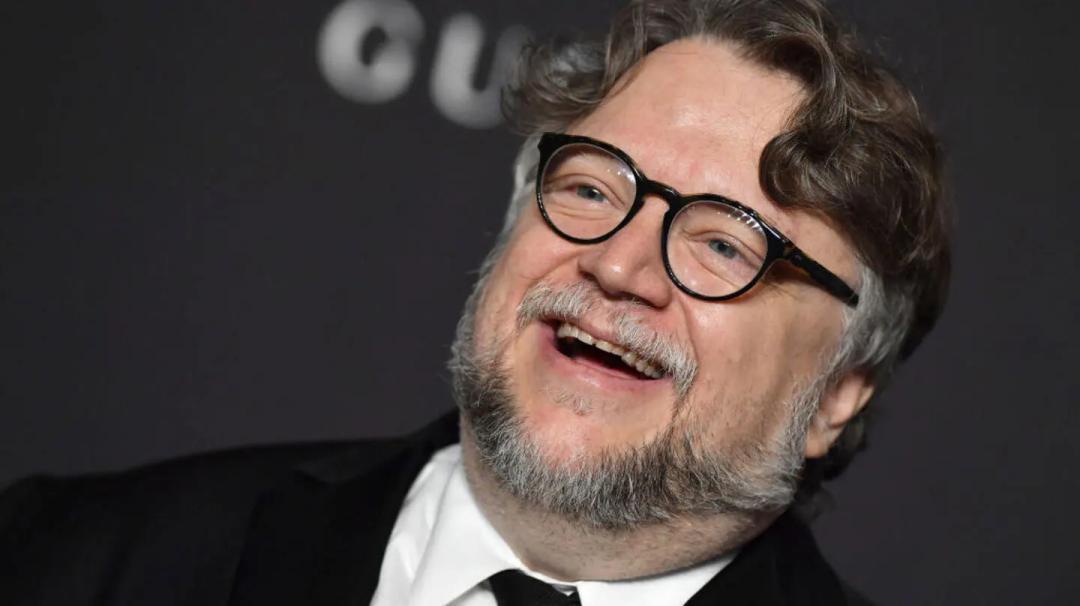
Fk AI: Frankenstein Director Guillermo del Toro at Gotham Awards
The Gotham Film Awards 2025 was a night to remember, with some of the biggest names in the film industry in attendance. However, it was Guillermo del Toro, the acclaimed director of the upcoming film Frankenstein, who stole the show with his bold and unapologetic criticism of artificial intelligence (AI). Del Toro, who was receiving the Vanguard Tribute at the awards alongside his film’s lead actors Jacob Elordi and Oscar Isaac, did not mince his words when it came to expressing his disdain for AI.
In a passionate and heartfelt speech, del Toro emphasized the importance of human creativity and the value of traditional filmmaking techniques. He proudly declared that every single frame of his film Frankenstein was “wilfully made by humans, for humans.” This statement was met with applause from the audience, and it was clear that del Toro was not just speaking for himself, but for the entire team of artists and craftsmen who had worked tirelessly to bring his vision to life.
But del Toro did not stop there. In a moment that will be remembered for a long time, he looked out at the audience and said, “I would like to extend our gratitude and say: F**k AI.” The room fell silent for a moment, before erupting into cheers and applause. It was a bold and unapologetic statement, and one that reflected del Toro’s commitment to the art of traditional filmmaking.
Del Toro’s criticism of AI is not surprising, given the increasing use of AI-generated content in the film industry. Many filmmakers and artists have expressed concerns about the impact of AI on their work, and the potential for AI to replace human creatives. Del Toro’s statement was a powerful rebuke to these trends, and a testament to the value of human imagination and creativity.
The use of AI in filmmaking is a complex and multifaceted issue, and one that raises important questions about the role of technology in the creative process. On the one hand, AI can be a powerful tool for filmmakers, allowing them to automate certain tasks and focus on the creative aspects of their work. However, the increasing reliance on AI-generated content also raises concerns about the potential for homogenization and the loss of unique, human perspectives.
Del Toro’s film Frankenstein is a prime example of the kind of unique, human perspective that is at risk of being lost in the age of AI. The film is a retelling of the classic Mary Shelley novel, and features a talented cast, including Jacob Elordi and Oscar Isaac. The film’s use of practical effects and traditional filmmaking techniques is a testament to del Toro’s commitment to the art of storytelling, and his desire to create a truly unique and human cinematic experience.
In an industry that is increasingly dominated by big-budget franchises and AI-generated content, del Toro’s statement was a breath of fresh air. It was a reminder that filmmaking is an art form, and that the best films are those that are made with passion, creativity, and a commitment to the human spirit.
As the film industry continues to evolve and adapt to new technologies, it is important to remember the value of traditional filmmaking techniques and the importance of human creativity. Del Toro’s statement was a powerful reminder of these values, and a testament to the enduring power of cinema to inspire, educate, and entertain.
In conclusion, Guillermo del Toro’s criticism of AI at the Gotham Film Awards 2025 was a bold and unapologetic statement that reflected his commitment to the art of traditional filmmaking. His film Frankenstein is a prime example of the kind of unique, human perspective that is at risk of being lost in the age of AI, and a testament to the value of human imagination and creativity. As the film industry continues to evolve and adapt to new technologies, it is important to remember the importance of human creativity and the value of traditional filmmaking techniques.
About the Author