Fk AI: Frankenstein Director Guillermo del Toro at Gotham Awards
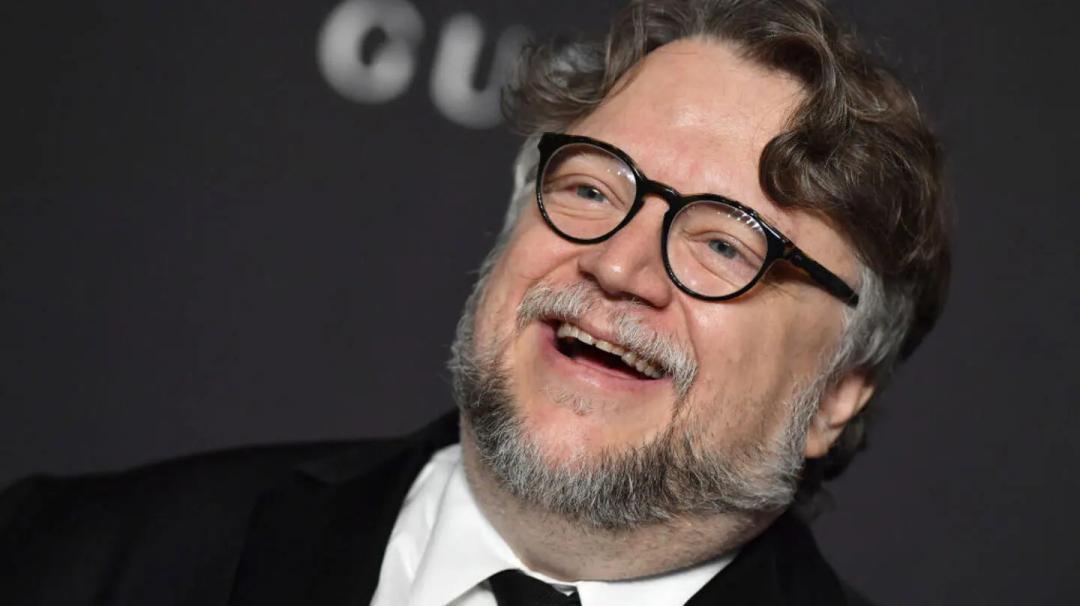
The film industry has been abuzz with the latest developments in artificial intelligence (AI) and its potential applications in filmmaking. However, not everyone is convinced that AI is the future of cinema. Guillermo del Toro, the acclaimed director of the upcoming film “Frankenstein”, recently expressed his strong reservations about the role of AI in filmmaking while receiving the Vanguard Tribute at the Gotham Film Awards 2025. The ceremony, which honored del Toro’s contributions to the film industry, was attended by the lead actors of his film, Jacob Elordi and Oscar Isaac.
In his acceptance speech, del Toro emphasized the importance of human creativity and craftsmanship in filmmaking. He proudly declared that every single frame of “Frankenstein” was “wilfully made by humans, for humans”. This statement was a clear nod to the traditional filmmaking process, where human imagination, skill, and labor come together to create a work of art. Del Toro’s words were met with applause from the audience, who seemed to appreciate his commitment to preserving the human touch in filmmaking.
However, the most striking moment of the evening came when del Toro explicitly expressed his disdain for AI. “I would like to extend our gratitude and say: F**k AI,” he said, leaving no doubt about his feelings on the matter. This statement was a bold declaration of del Toro’s stance on the role of AI in filmmaking, and it sparked a mixture of reactions from the audience and the film community at large.
Del Toro’s criticism of AI is not entirely surprising, given his reputation as a filmmaker who values traditional craftsmanship and human imagination. His films, such as “Pan’s Labyrinth” and “Crimson Peak”, are known for their meticulous attention to detail, intricate production design, and emphasis on practical effects. In an era where AI-generated visual effects and automated editing tools are becoming increasingly prevalent, del Toro’s commitment to traditional filmmaking methods is a breath of fresh air.
The use of AI in filmmaking has been a topic of debate in recent years, with some arguing that it can enhance the creative process and improve efficiency, while others see it as a threat to human creativity and employment. Del Toro’s statement at the Gotham Awards has reignited this debate, with some hailing him as a champion of traditional filmmaking values and others criticizing him for being out of touch with the evolving needs of the industry.
It is worth noting that del Toro’s film “Frankenstein” is a prime example of traditional filmmaking at its best. The film’s production design, cinematography, and special effects are all testaments to the skill and craftsmanship of human artists and technicians. By emphasizing the human element in his film, del Toro is making a statement about the importance of preserving traditional filmmaking methods in an era of rapid technological change.
The Gotham Film Awards, which honor independent filmmaking excellence, provided a fitting platform for del Toro to express his views on AI. The ceremony, which celebrates the art of filmmaking in all its forms, was a reminder that the film industry is not just about technology and special effects, but about the human stories, emotions, and experiences that we share through cinema.
In conclusion, Guillermo del Toro’s statement at the Gotham Film Awards has sparked a necessary debate about the role of AI in filmmaking. While some may see AI as a useful tool for enhancing the creative process, others, like del Toro, believe that it poses a threat to the very essence of human storytelling. As the film industry continues to evolve, it is essential to consider the implications of AI on our craft and to find a balance between technological innovation and traditional filmmaking values.
About the Author