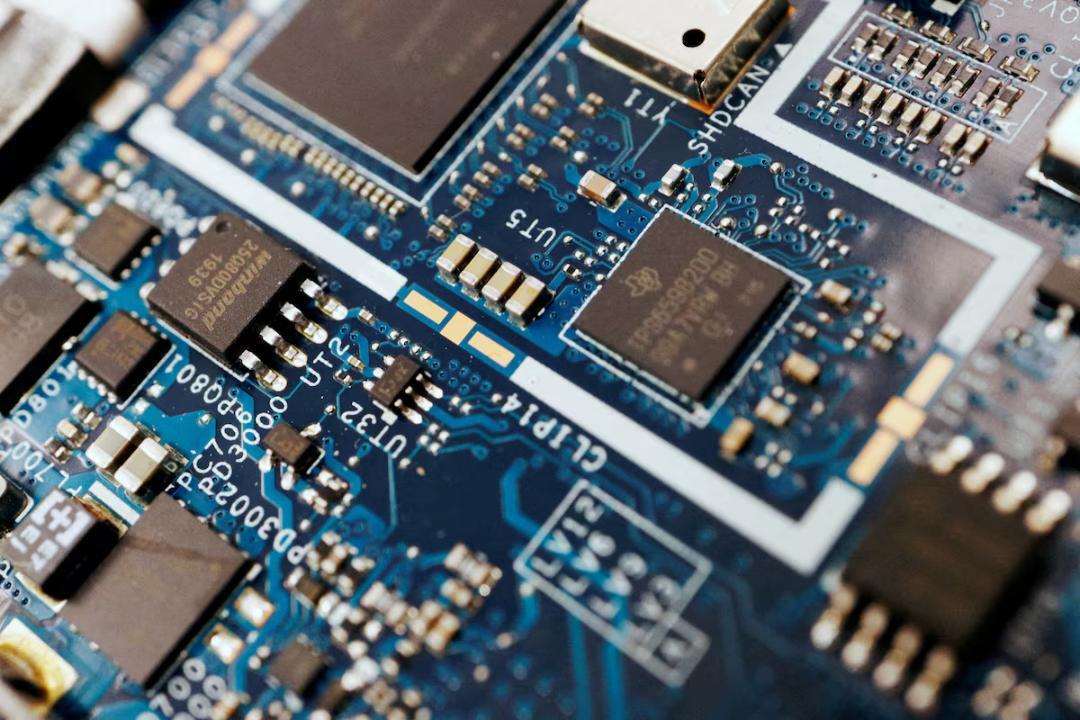
Chip industry faces shortage of 7 lakh workers by 2030: IESA chief
The semiconductor industry is on the cusp of a significant crisis, with a predicted shortage of around 7 lakh workers by 2030. This alarming figure was revealed by Ashok Chandak, President of the India Electronics and Semiconductor Association (IESA). Chandak emphasized that the worldwide shortage presents a massive opportunity for India to fill the void and become a major player in the global semiconductor industry.
The semiconductor sector has been experiencing rapid growth in recent years, driven by the increasing demand for electronic devices, automotive systems, and other technologies that rely on semiconductors. However, this growth has also created a significant challenge for the industry, as it struggles to find and retain skilled workers. The shortage of skilled workers is not limited to India; it is a global problem that affects the entire semiconductor industry.
According to Chandak, the shortage of skilled workers is a result of several factors, including the lack of updated technical curriculum and inadequate manufacturing-related training programs. The semiconductor industry requires highly skilled workers with expertise in areas such as chip design, fabrication, and testing. However, the current education system is not equipped to provide students with the necessary skills and training to meet the industry’s demands.
Chandak highlighted the need to update the technical curriculum and develop manufacturing-related training programs to tackle the issue. He emphasized that the Indian government and educational institutions must work together to create programs that provide students with hands-on experience and training in areas such as semiconductor manufacturing, testing, and packaging. This will not only help to address the shortage of skilled workers but also prepare students for the jobs of the future.
The shortage of skilled workers in the semiconductor industry presents a significant opportunity for India to emerge as a major player in the global market. With a large pool of talented engineers and technicians, India has the potential to become a hub for semiconductor manufacturing and design. The Indian government has already taken steps to promote the growth of the semiconductor industry, including the establishment of dedicated semiconductor fabrication plants and the provision of incentives for companies to set up manufacturing facilities in the country.
The Indian semiconductor industry has been growing rapidly in recent years, with several major companies, including Intel, Texas Instruments, and STMicroelectronics, setting up design and manufacturing facilities in the country. The industry is expected to continue to grow, driven by the increasing demand for electronic devices, automotive systems, and other technologies that rely on semiconductors.
However, to realize its full potential, the Indian semiconductor industry must address the shortage of skilled workers. This requires a concerted effort from the government, educational institutions, and industry players to create programs that provide students with the necessary skills and training to meet the industry’s demands. By doing so, India can not only address the shortage of skilled workers but also emerge as a major player in the global semiconductor industry.
In conclusion, the predicted shortage of 7 lakh workers in the semiconductor industry by 2030 is a significant challenge that requires immediate attention. However, it also presents a massive opportunity for India to fill the void and become a major player in the global semiconductor industry. By updating the technical curriculum, developing manufacturing-related training programs, and promoting the growth of the semiconductor industry, India can address the shortage of skilled workers and realize its full potential in the global market.
About the Author