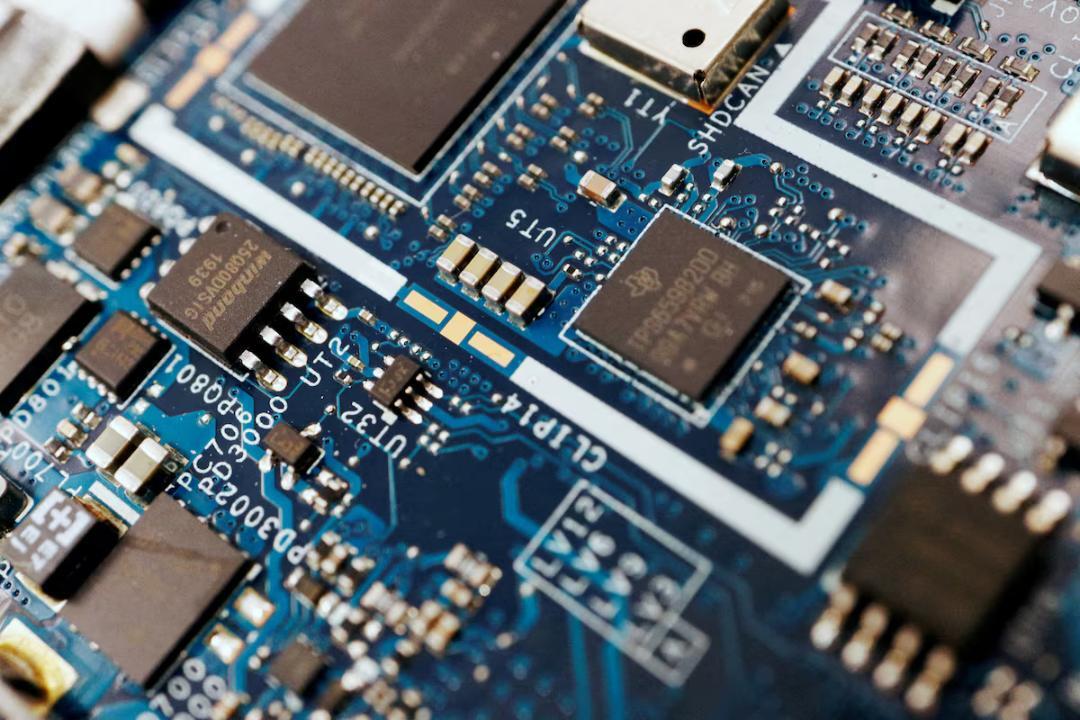
Chip industry faces shortage of 7 lakh workers by 2030: IESA chief
The semiconductor industry is on the cusp of a significant crisis, with a predicted shortage of around seven lakh workers by 2030. This alarming revelation was made by Ashok Chandak, President of the India Electronics and Semiconductor Association (IESA). Chandak emphasized that the global chip industry is grappling with a severe manpower shortage, and India has a unique opportunity to fill this void.
The semiconductor sector has been experiencing rapid growth, driven by the increasing demand for chips in various industries such as automotive, consumer electronics, and renewable energy. However, this growth has also brought to the forefront the challenges of finding skilled workers to meet the industry’s needs. According to Chandak, the shortage of skilled workers is a worldwide problem, and India can capitalize on this opportunity to become a major player in the global semiconductor industry.
To tackle the issue of worker shortage, Chandak stressed the need to update the technical curriculum and develop manufacturing-related training programs. He emphasized that the current education system is not equipped to provide the necessary skills and training required by the semiconductor industry. Chandak suggested that the government, academia, and industry stakeholders must collaborate to create a robust ecosystem that can provide the necessary training and skills to meet the industry’s demands.
The predicted shortage of seven lakh workers by 2030 is a staggering number, and it highlights the magnitude of the challenge facing the semiconductor industry. The industry requires a wide range of skilled workers, including engineers, technicians, and assembly line workers. However, the current pipeline of skilled workers is not sufficient to meet the industry’s growing needs. Chandak’s warning serves as a wake-up call for the industry, government, and academia to work together to address this critical issue.
India has been actively promoting the development of the semiconductor industry, with the government launching several initiatives to attract investment and encourage the growth of the sector. The country has a significant advantage in terms of its large pool of skilled workers, particularly in the fields of engineering and technology. However, to capitalize on this opportunity, India needs to invest in creating a robust ecosystem that can provide the necessary training and skills to meet the industry’s demands.
The semiconductor industry is a critical component of the global electronics supply chain, and the predicted shortage of workers has significant implications for the industry’s growth and development. The shortage of skilled workers can lead to delays in production, increased costs, and reduced competitiveness. Moreover, the shortage can also have a ripple effect on other industries that rely on semiconductors, such as automotive, aerospace, and healthcare.
To address the issue of worker shortage, the IESA has been working closely with the government, academia, and industry stakeholders to create a robust ecosystem that can provide the necessary training and skills. The association has launched several initiatives, including training programs, workshops, and conferences, to promote the development of the semiconductor industry and address the issue of worker shortage.
In conclusion, the predicted shortage of seven lakh workers by 2030 is a significant challenge facing the semiconductor industry. However, it also presents a unique opportunity for India to become a major player in the global semiconductor industry. To capitalize on this opportunity, India needs to invest in creating a robust ecosystem that can provide the necessary training and skills to meet the industry’s demands. The government, academia, and industry stakeholders must work together to address the issue of worker shortage and promote the growth and development of the semiconductor industry.
As Chandak emphasized, the worldwide shortage of skilled workers in the semiconductor industry is a problem that India can help solve. By updating the technical curriculum and developing manufacturing-related training programs, India can provide the necessary skills and training required by the industry. The country has a significant advantage in terms of its large pool of skilled workers, and with the right investment and support, India can become a major hub for the semiconductor industry.
About the Author