Chip industry faces shortage of 7 lakh workers by 2030: IESA chief
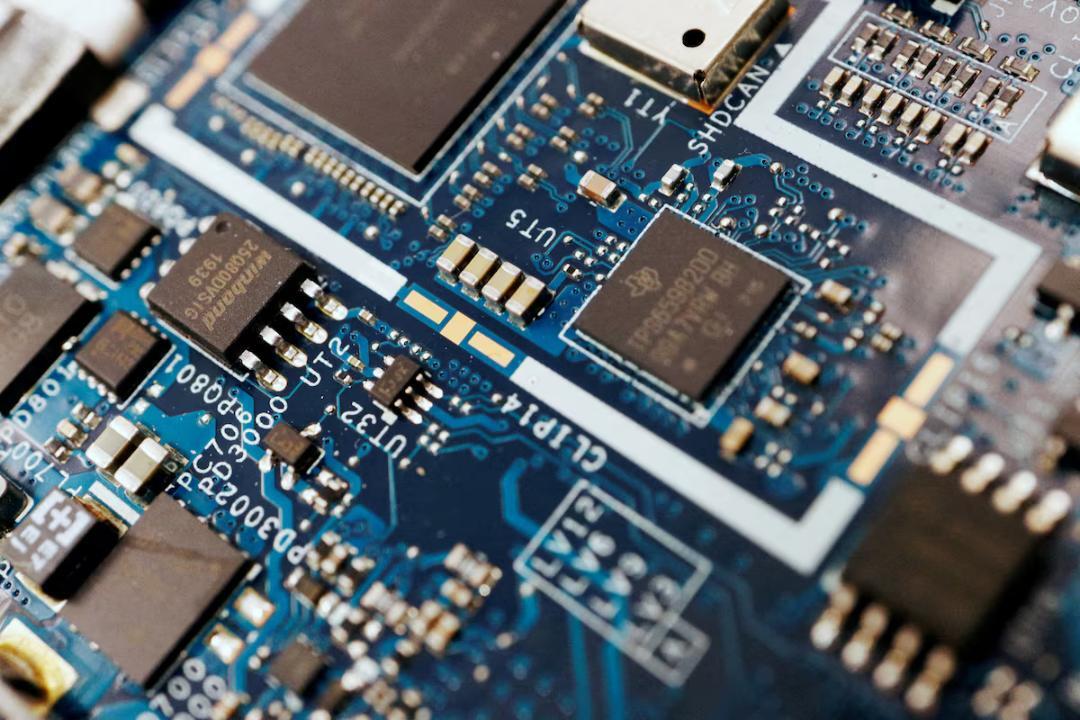
The chip industry is on the cusp of a significant crisis, with a looming shortage of skilled workers threatening to disrupt the global semiconductor supply chain. According to Ashok Chandak, President of the India Electronics and Semiconductor Association (IESA), the industry could face a staggering shortage of around seven lakh workers by 2030. This shortage poses a significant challenge to the industry, but it also presents an opportunity for India to fill the void and establish itself as a major player in the global semiconductor market.
The semiconductor industry is a critical component of the modern economy, with chips powering everything from smartphones and laptops to cars and medical devices. The industry is experiencing rapid growth, driven by the increasing demand for connected devices, artificial intelligence, and the Internet of Things (IoT). However, this growth is threatened by a shortage of skilled workers, which could have far-reaching consequences for the industry and the economy as a whole.
The shortage of skilled workers is a global problem, with companies in the United States, Europe, and Asia struggling to find the talent they need to design, manufacture, and test semiconductors. The problem is particularly acute in areas such as chip design, where the demand for skilled engineers far outstrips the supply. According to Chandak, the industry needs to update its technical curriculum and develop manufacturing-related training programs to tackle the issue.
India, with its large pool of skilled engineers and technicians, is well-positioned to fill the void and establish itself as a major player in the global semiconductor industry. The country has already made significant strides in the industry, with companies such as Intel, Texas Instruments, and Qualcomm setting up design and manufacturing facilities in India. The Indian government has also launched several initiatives to promote the development of the semiconductor industry, including the creation of a dedicated semiconductor policy and the establishment of a fund to support start-ups in the sector.
However, to fully capitalize on the opportunity presented by the shortage of skilled workers, India needs to take several steps. Firstly, the country needs to update its technical curriculum to ensure that students are equipped with the skills needed to work in the semiconductor industry. This includes providing training in areas such as chip design, manufacturing, and testing, as well as in emerging technologies such as artificial intelligence and IoT.
Secondly, India needs to develop manufacturing-related training programs to ensure that workers have the skills needed to work in semiconductor manufacturing facilities. This includes providing training in areas such as fabrication, assembly, and testing, as well as in areas such as quality control and supply chain management.
Finally, India needs to promote the development of a strong ecosystem to support the growth of the semiconductor industry. This includes providing funding and support to start-ups and small and medium-sized enterprises (SMEs) in the sector, as well as promoting collaboration between industry, academia, and government.
In conclusion, the shortage of skilled workers in the chip industry presents a significant challenge to the global semiconductor supply chain. However, it also presents an opportunity for India to establish itself as a major player in the industry. By updating its technical curriculum, developing manufacturing-related training programs, and promoting the development of a strong ecosystem, India can capitalize on the shortage and establish itself as a hub for semiconductor design and manufacturing.
The Indian government and industry leaders must work together to address the challenges posed by the shortage of skilled workers and to capitalize on the opportunities presented by the crisis. With the right policies and initiatives in place, India can establish itself as a major player in the global semiconductor industry and help to drive growth and innovation in the sector.
As the demand for semiconductors continues to grow, the industry will require a steady supply of skilled workers to design, manufacture, and test chips. India, with its large pool of skilled engineers and technicians, is well-positioned to meet this demand and establish itself as a hub for semiconductor design and manufacturing. The country must seize this opportunity and work to develop the skills and infrastructure needed to support the growth of the industry.
The future of the semiconductor industry is bright, with the sector expected to continue to grow and evolve in the coming years. However, the industry must address the shortage of skilled workers if it is to continue to innovate and drive growth. India, with its strong education system and large pool of skilled workers, is well-positioned to play a key role in addressing this shortage and establishing itself as a major player in the global semiconductor industry.
About the Author