Chip industry faces shortage of 7 lakh workers by 2030: IESA chief
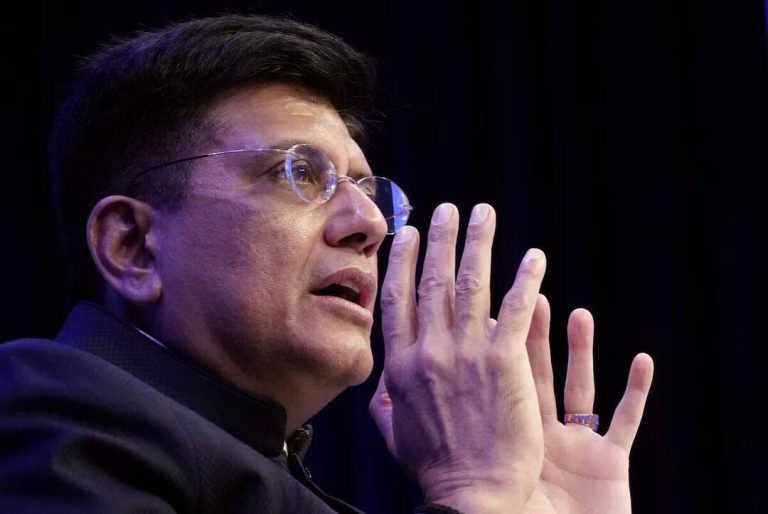
The Indian semiconductor sector is poised for significant growth, driven by the government’s initiatives to promote electronics manufacturing and the increasing demand for chips in various industries. However, the sector is likely to face a major challenge in the coming years – a shortage of skilled workers. According to Ashok Chandak, President of the India Electronics and Semiconductor Association (IESA), the semiconductor sector could face a shortage of around seven lakh workers by 2030.
This shortage is not unique to India, as the global chip industry is also facing a similar crisis. The demand for semiconductors is increasing rapidly, driven by the growth of industries such as automotive, aerospace, and renewable energy, among others. However, the supply of skilled workers is not keeping pace with this demand, leading to a significant shortage of talented professionals. As Chandak noted, “Worldwide, there is a problem, and India has the opportunity to fill the void.”
The shortage of skilled workers in the semiconductor sector is a complex issue, with multiple factors contributing to it. One of the primary reasons is the lack of awareness about the sector and the career opportunities it offers. Many students and professionals are not aware of the exciting career paths available in the semiconductor industry, leading to a lack of interest in pursuing careers in this field. Additionally, the sector requires highly specialized skills, which can be difficult to develop without proper training and education.
To tackle this issue, Chandak emphasized the need to update the technical curriculum and develop manufacturing-related training programs. The current education system in India is not adequately equipped to provide students with the skills required by the semiconductor industry. There is a need to introduce specialized courses and programs that focus on semiconductor manufacturing, design, and testing. Furthermore, industry-academia partnerships can play a crucial role in developing the skills of students and professionals, making them industry-ready.
The Indian government has already taken several initiatives to promote the growth of the semiconductor sector. The Ministry of Electronics and Information Technology (MeitY) has launched several schemes, including the Production Linked Incentive (PLI) scheme, to encourage the establishment of semiconductor manufacturing units in India. The government has also set up the Indian Semiconductor Mission (ISM) to promote the development of the semiconductor ecosystem in the country.
The shortage of skilled workers in the semiconductor sector presents a significant opportunity for India to emerge as a major player in the global chip industry. With a large pool of talented engineers and technicians, India can fill the void created by the shortage of skilled workers in other countries. As Chandak noted, India has the opportunity to become a major hub for semiconductor manufacturing, design, and testing, creating thousands of job opportunities for skilled professionals.
To achieve this, however, India needs to invest heavily in education and training programs. The government, industry, and academia must work together to develop specialized courses and programs that focus on semiconductor manufacturing, design, and testing. Additionally, there is a need to promote awareness about the sector and the career opportunities it offers, to attract more students and professionals to pursue careers in this field.
In conclusion, the semiconductor sector is poised for significant growth in India, driven by government initiatives and increasing demand for chips. However, the sector faces a major challenge in the form of a shortage of skilled workers. To tackle this issue, there is a need to update the technical curriculum and develop manufacturing-related training programs. India has the opportunity to emerge as a major player in the global chip industry, creating thousands of job opportunities for skilled professionals. With the right investments in education and training, India can fill the void created by the shortage of skilled workers in other countries and become a major hub for semiconductor manufacturing, design, and testing.
About the Author