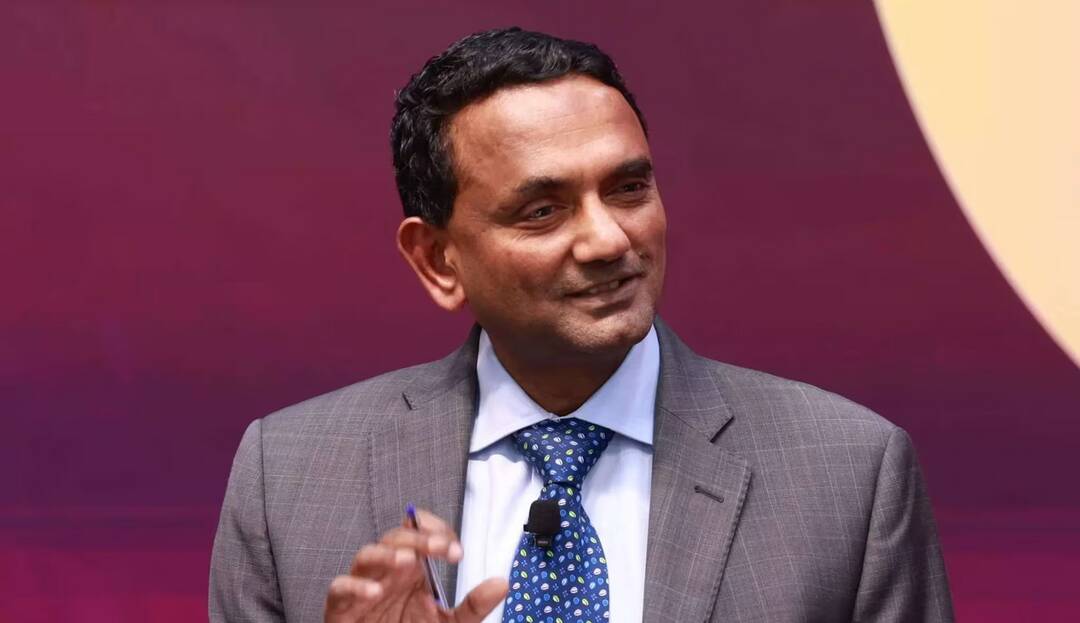
95% of AI pilots fail to deliver meaningful efficiency: TCS CEO
The world of artificial intelligence (AI) has been abuzz with excitement and promise, with many organizations investing heavily in AI pilots to drive efficiency and innovation. However, according to Tata Consultancy Services (TCS) CEO K Krithivasan, the reality is that a staggering 95% of these AI pilots have failed to deliver measurable value. This revelation is based on research and highlights the significant challenges that organizations face in harnessing the power of AI to drive meaningful impact.
Krithivasan’s statement is a sobering reminder that the journey to AI adoption is not as straightforward as many had hoped. While AI has the potential to revolutionize industries and transform the way we work, the fact remains that many organizations are struggling to realize its benefits. As Krithivasan noted, “As we look ahead to 2026, a clearer picture of AI’s impact is emerging.” This picture is one of both promise and challenge, as organizations navigate the complexities of AI adoption and seek to unlock its full potential.
One of the key insights that Krithivasan shared is that we are witnessing a new form of organizational intelligence, where combinations of humans and machines shape how choices are developed, presented, and discussed. This hybrid approach recognizes that AI is not a replacement for human intelligence, but rather a powerful tool that can augment and enhance human capabilities. By leveraging the strengths of both humans and machines, organizations can create a more effective and efficient decision-making process that drives better outcomes.
So, what are the reasons behind the high failure rate of AI pilots? According to Krithivasan, there are several factors at play. Firstly, many organizations lack a clear understanding of what they want to achieve with AI, which can lead to poorly defined goals and objectives. Secondly, the lack of quality data and infrastructure can hinder the effective deployment of AI solutions. Thirdly, the absence of a robust governance framework can create risks and uncertainties around AI adoption. Finally, the shortage of skilled talent and expertise can make it difficult for organizations to develop and implement effective AI strategies.
To overcome these challenges, Krithivasan highlighted five core principles that organizations should follow to ensure successful AI adoption. These principles include:
- Define clear goals and objectives: Organizations must have a clear understanding of what they want to achieve with AI, and define specific goals and objectives that align with their business strategy.
- Develop a robust data strategy: High-quality data is essential for effective AI deployment, and organizations must invest in developing a robust data infrastructure that can support their AI initiatives.
- Establish a governance framework: A clear governance framework is critical for managing the risks and uncertainties associated with AI adoption, and organizations must establish policies and procedures that ensure transparency, accountability, and ethics.
- Build a skilled talent pool: Organizations must invest in developing the skills and expertise needed to develop and implement effective AI strategies, and build a talent pool that can support their AI initiatives.
- Foster a culture of innovation: AI adoption requires a culture of innovation and experimentation, and organizations must encourage a mindset of continuous learning and improvement to drive AI-powered innovation.
By following these principles, organizations can increase their chances of success and unlock the full potential of AI to drive meaningful efficiency and innovation. As Krithivasan noted, the future of AI is not about replacing humans with machines, but about creating a new form of organizational intelligence that combines the strengths of both. By working together, humans and machines can create a brighter future for all, and drive growth, innovation, and prosperity in the years to come.
In conclusion, the fact that 95% of AI pilots have failed to deliver meaningful efficiency is a wake-up call for organizations to rethink their AI strategies and approaches. By following the five core principles outlined by Krithivasan, organizations can increase their chances of success and unlock the full potential of AI to drive innovation and growth. As we look ahead to 2026, it is clear that AI will play an increasingly important role in shaping the future of business and society, and organizations that are able to harness its power will be best positioned to thrive in a rapidly changing world.
About the Author