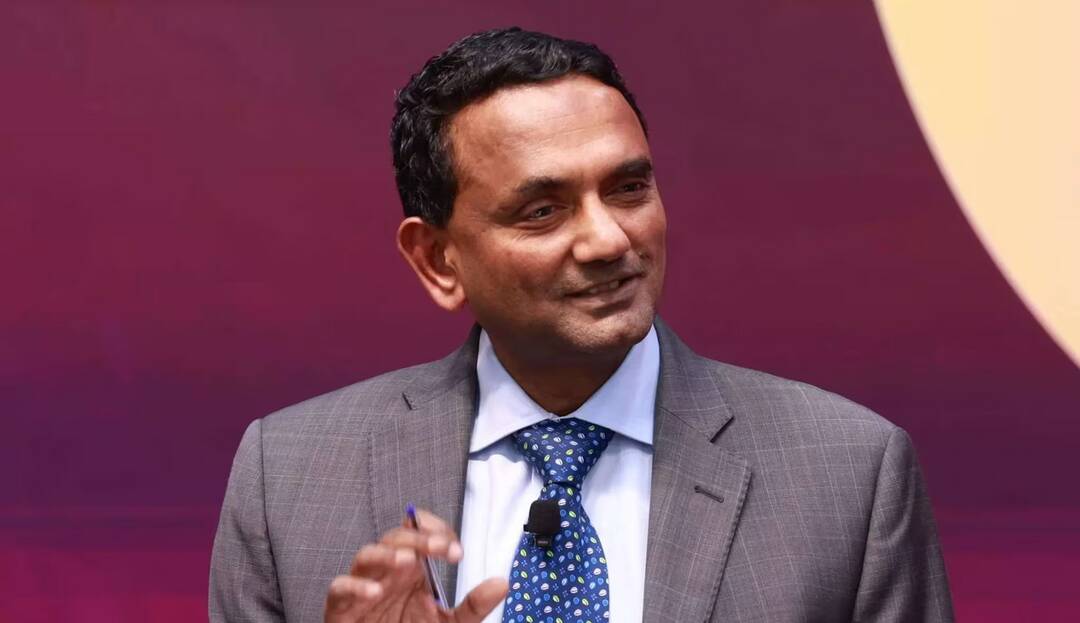
95% of AI Pilots Fail to Deliver Meaningful Efficiency: TCS CEO
The world of artificial intelligence (AI) has been abuzz with excitement and promise, with many organizations investing heavily in AI pilots to improve efficiency and drive business growth. However, according to Tata Consultancy Services (TCS) CEO K Krithivasan, the reality is far from rosy. Citing research, Krithivasan recently claimed that a staggering 95% of enterprise AI pilots have failed to deliver measurable value. This startling statistic has significant implications for businesses and organizations looking to harness the power of AI to drive success.
Krithivasan’s statement is a wake-up call for organizations to re-evaluate their approach to AI adoption. As we look ahead to 2026, it is clear that a more nuanced understanding of AI’s impact is emerging. The TCS CEO noted, “As we look ahead to 2026, a clearer picture of AI’s impact is emerging.” He added, “We are witnessing…a new form of organisational intelligence, where combinations of humans and machines shape how choices are developed, presented and discussed.” This new form of organizational intelligence highlights the need for a more collaborative approach to AI adoption, one that leverages the strengths of both humans and machines.
The failure of AI pilots to deliver meaningful efficiency can be attributed to several factors. One key reason is the lack of a clear strategy and defined objectives. Many organizations embark on AI pilots without a clear understanding of what they want to achieve, leading to a lack of focus and direction. Additionally, the absence of a robust data infrastructure and inadequate talent and skills can also hinder the success of AI pilots.
Another critical factor is the lack of integration with existing business processes and systems. AI pilots are often implemented in isolation, without considering how they will interact with existing workflows and systems. This can lead to a lack of adoption and utilization, ultimately resulting in limited value and impact.
To overcome these challenges, Krithivasan highlighted five core principles that organizations should follow to ensure the success of their AI pilots. These principles include:
- Define clear objectives: Organizations must clearly define what they want to achieve through their AI pilots. This includes establishing specific, measurable, and achievable goals that align with business objectives.
- Develop a robust data infrastructure: A robust data infrastructure is critical to the success of AI pilots. This includes ensuring access to high-quality, relevant, and timely data that can be used to train and validate AI models.
- Build a talented and skilled team: The success of AI pilots depends on the talent and skills of the team implementing them. Organizations must invest in building a team with the necessary skills and expertise to design, develop, and deploy AI solutions.
- Integrate with existing business processes and systems: AI pilots must be integrated with existing business processes and systems to ensure seamless adoption and utilization. This includes ensuring that AI solutions are designed to interact with existing workflows and systems.
- Monitor and evaluate performance: Finally, organizations must establish a framework to monitor and evaluate the performance of their AI pilots. This includes tracking key metrics and indicators to assess the impact and value of AI solutions.
By following these five core principles, organizations can increase the chances of success for their AI pilots and ensure that they deliver meaningful efficiency and value. As Krithivasan noted, the future of AI adoption depends on our ability to harness the power of AI to drive business growth and success. By working together and adopting a more collaborative approach to AI adoption, we can unlock the full potential of AI and create a brighter future for all.
In conclusion, the failure of 95% of AI pilots to deliver meaningful efficiency is a stark reminder of the challenges and complexities associated with AI adoption. However, by following the five core principles outlined by Krithivasan, organizations can overcome these challenges and ensure the success of their AI pilots. As we look ahead to 2026, it is clear that a new form of organizational intelligence is emerging, one that combines the strengths of humans and machines to drive business growth and success.
About the Author