95% of AI Pilots Fail to Deliver Meaningful Efficiency: TCS CEO
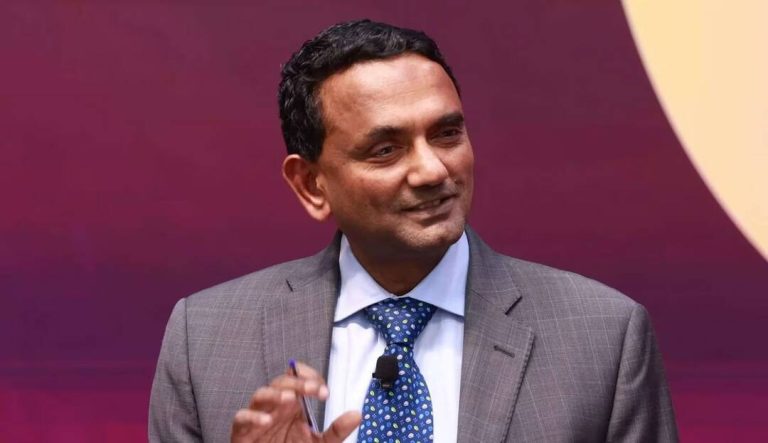
The world of artificial intelligence (AI) has been abuzz with excitement and promise, with many organizations investing heavily in AI pilots to harness its potential. However, according to Tata Consultancy Services (TCS) CEO K Krithivasan, a staggering 95% of these AI pilots have failed to deliver meaningful efficiency. This startling revelation highlights the significant gap between the hype surrounding AI and its actual impact on business operations.
Krithivasan’s statement is based on research, which suggests that the majority of AI pilots are not yielding the expected results. This raises important questions about the effectiveness of current AI strategies and the need for a more nuanced approach to AI adoption. As we look ahead to 2026, it is essential to reassess our understanding of AI’s role in shaping the future of business.
According to Krithivasan, “As we look ahead to 2026, a clearer picture of AI’s impact is emerging.” He emphasized that the future of AI is not about replacing human intelligence with machine learning algorithms, but rather about creating a new form of organizational intelligence. This new paradigm involves combining the strengths of humans and machines to inform decision-making processes.
Krithivasan added, “We are witnessing…a new form of organisational intelligence, where combinations of humans and machines shape how choices are developed, presented and discussed.” This perspective highlights the need for a more collaborative approach to AI, where humans and machines work together to drive business outcomes.
So, what are the reasons behind the failure of AI pilots to deliver meaningful efficiency? There are several factors that contribute to this phenomenon. Firstly, many organizations lack a clear understanding of their business problems and how AI can address them. This lack of clarity leads to poorly defined AI projects, which are often doomed to fail.
Secondly, AI pilots often suffer from inadequate data quality and availability. AI algorithms require large amounts of high-quality data to learn and make accurate predictions. However, many organizations struggle to provide the necessary data, which hinders the effectiveness of their AI pilots.
Thirdly, AI pilots often lack the necessary integration with existing business systems and processes. AI is not a standalone technology, but rather a component of a broader business ecosystem. Without proper integration, AI pilots can become siloed and fail to deliver meaningful value.
Lastly, AI pilots require significant investment in talent and skills. AI is a complex technology that requires specialized expertise to develop and implement effectively. However, many organizations lack the necessary talent and skills to support their AI initiatives.
To overcome these challenges, Krithivasan highlighted five core principles that organizations should follow to ensure the success of their AI pilots. These principles include:
- Define clear business outcomes: Organizations should clearly define the business problems they want to address with AI and establish measurable outcomes.
- Develop a robust data strategy: Organizations should ensure that they have access to high-quality data and develop a robust data strategy to support their AI initiatives.
- Invest in talent and skills: Organizations should invest in the necessary talent and skills to develop and implement AI effectively.
- Foster a culture of innovation: Organizations should foster a culture of innovation and experimentation to encourage the development of new AI solutions.
- Ensure integration with existing systems: Organizations should ensure that their AI pilots are integrated with existing business systems and processes to maximize their impact.
In conclusion, the failure of 95% of AI pilots to deliver meaningful efficiency is a sobering reminder of the challenges associated with AI adoption. However, by following the five core principles outlined by Krithivasan, organizations can increase their chances of success and harness the full potential of AI. As we look ahead to 2026, it is essential to reassess our understanding of AI’s role in shaping the future of business and to develop a more nuanced approach to AI adoption.
The future of AI is not about replacing human intelligence with machine learning algorithms, but rather about creating a new form of organizational intelligence that combines the strengths of humans and machines. By working together, humans and machines can drive business outcomes and create a brighter future for organizations and society as a whole.
About the Author