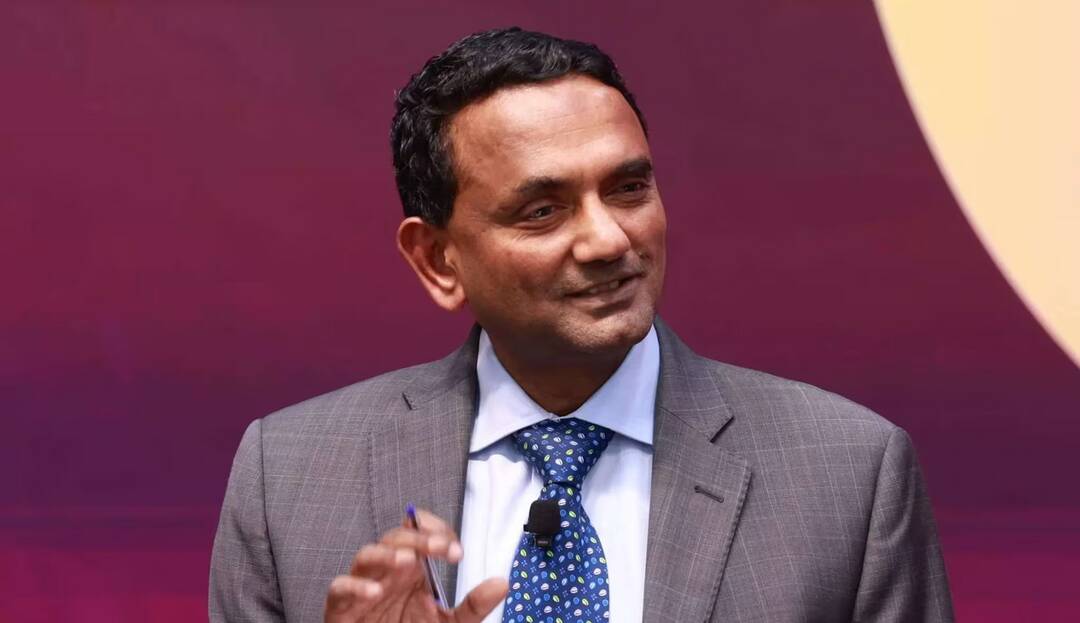
95% of AI pilots fail to deliver meaningful efficiency: TCS CEO
The world of artificial intelligence (AI) has been abuzz with excitement in recent years, with many enterprises investing heavily in AI pilots in the hopes of revolutionizing their operations and achieving greater efficiency. However, according to K Krithivasan, CEO of Tata Consultancy Services (TCS), a staggering 95% of these AI pilots have failed to deliver meaningful efficiency. This startling revelation was made by Krithivasan, citing research, and highlights the challenges that many organizations are facing in their AI adoption journeys.
Krithivasan’s comments come at a time when the use of AI is becoming increasingly widespread across various industries. As we look ahead to 2026, a clearer picture of AI’s impact is emerging, and it is becoming clear that the technology is not a silver bullet that can solve all problems. Rather, it is a tool that needs to be used judiciously and in conjunction with human intelligence to achieve meaningful results. As Krithivasan aptly put it, “We are witnessing…a new form of organisational intelligence, where combinations of humans and machines shape how choices are developed, presented and discussed.”
The failure of AI pilots to deliver meaningful efficiency can be attributed to a variety of factors. One of the primary reasons is the lack of a clear understanding of what AI can and cannot do. Many organizations have invested in AI pilots without a clear idea of what they want to achieve, and as a result, they have ended up with solutions that do not address their specific needs. Additionally, the lack of high-quality data and the absence of a robust infrastructure to support AI adoption have also hindered the success of many AI pilots.
Another significant challenge that organizations face in their AI adoption journeys is the need to change their organizational culture and mindset. AI is not just a technology, but a way of working that requires organizations to be more agile, flexible, and open to experimentation. However, many organizations are still stuck in traditional ways of working and are struggling to adapt to the new realities of the digital age.
Despite the challenges, there are many organizations that have successfully harnessed the power of AI to achieve meaningful efficiency and transformation. These organizations have taken a more nuanced approach to AI adoption, focusing on specific business problems and using AI as a tool to solve them. They have also invested in building a robust infrastructure to support AI adoption, including high-quality data, advanced analytics, and a skilled workforce.
So, what can organizations do to ensure that their AI pilots deliver meaningful efficiency? According to Krithivasan, there are five core principles that organizations should follow. Firstly, organizations should focus on specific business problems and use AI as a tool to solve them. Secondly, they should invest in building a robust infrastructure to support AI adoption, including high-quality data, advanced analytics, and a skilled workforce. Thirdly, they should adopt a more agile and flexible approach to AI adoption, one that is open to experimentation and learning. Fourthly, they should prioritize transparency and accountability in their AI systems, ensuring that they are fair, unbiased, and secure. Finally, they should recognize the importance of human judgment and oversight in AI decision-making, ensuring that AI systems are used to augment human capabilities, not replace them.
In conclusion, the failure of 95% of AI pilots to deliver meaningful efficiency is a sobering reminder of the challenges that organizations face in their AI adoption journeys. However, it is also an opportunity for organizations to reflect on their approach to AI adoption and to make the necessary changes to ensure that they achieve meaningful results. By following the five core principles outlined by Krithivasan, organizations can increase their chances of success and harness the power of AI to achieve greater efficiency, innovation, and growth.
As we look ahead to 2026, it is clear that AI will play an increasingly important role in shaping the future of business and society. However, it is also clear that AI is not a panacea, and that its successful adoption will require a more nuanced and thoughtful approach. By recognizing the limitations of AI and the importance of human judgment and oversight, organizations can unlock the full potential of AI and achieve meaningful transformation.
About the Author