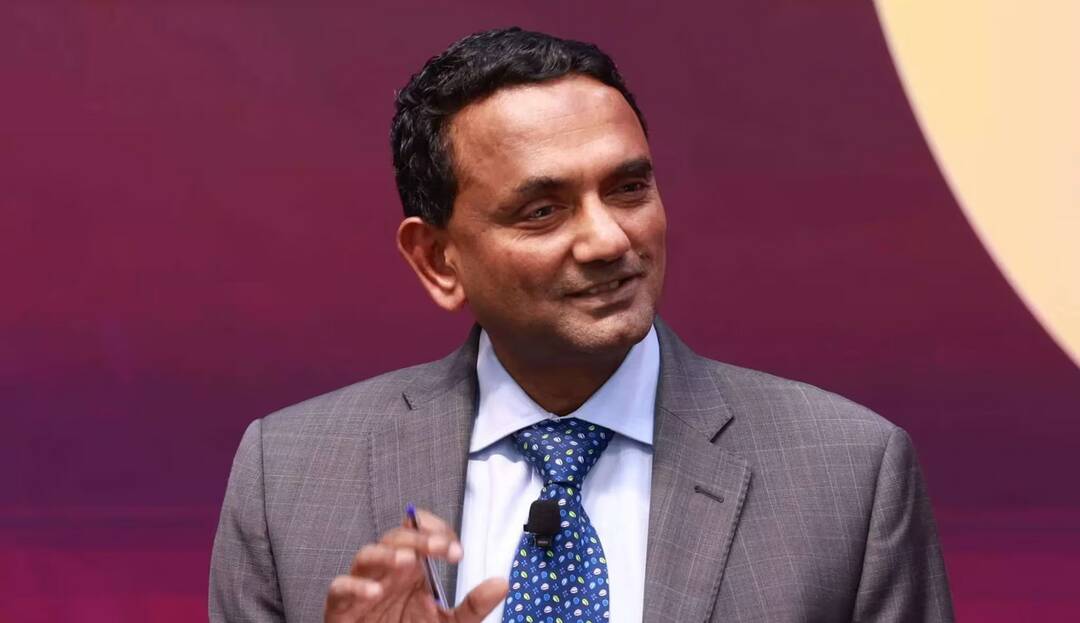
95% of AI Pilots Fail to Deliver Meaningful Efficiency: TCS CEO
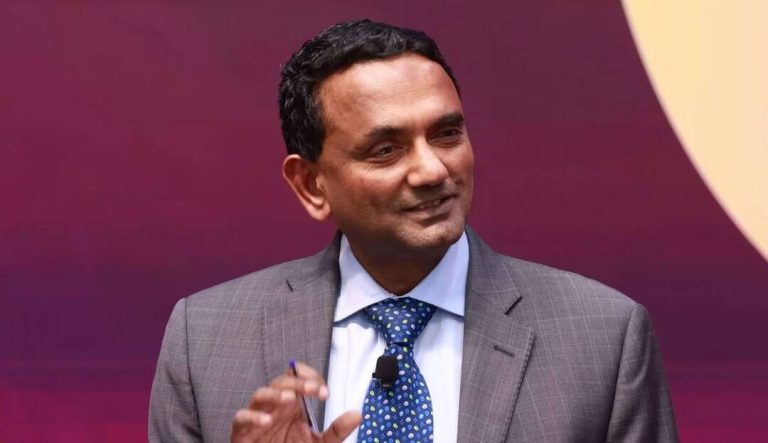
The world of artificial intelligence (AI) has been abuzz with excitement and promise in recent years. With the potential to revolutionize industries and transform the way businesses operate, AI has been touted as the future of innovation. However, according to TCS CEO K Krithivasan, the reality is far from rosy. Citing research, Krithivasan claimed that a staggering 95% of enterprise AI pilots have failed to deliver measurable value. This startling revelation has significant implications for businesses and organizations looking to leverage AI to drive efficiency and growth.
Krithivasan’s comments come at a time when AI is being increasingly adopted across various sectors, from healthcare and finance to retail and manufacturing. As we look ahead to 2026, a clearer picture of AI’s impact is emerging, and it’s becoming clear that the technology is not a silver bullet for all business problems. In fact, the failure rate of AI pilots is a stark reminder that AI is not a plug-and-play solution, but rather a complex technology that requires careful planning, execution, and integration with existing systems and processes.
According to Krithivasan, the primary reason for the high failure rate of AI pilots is the lack of a clear understanding of the technology and its limitations. Many organizations, eager to jump on the AI bandwagon, have rushed into implementing AI solutions without fully grasping the underlying complexities. This has resulted in a plethora of pilot projects that have failed to deliver meaningful efficiency or value. Moreover, the lack of standardization and interoperability in AI systems has made it difficult for organizations to scale up their AI initiatives and achieve tangible results.
However, Krithivasan is optimistic about the future of AI and its potential to transform businesses. He believes that as organizations gain more experience with AI, they will begin to develop a deeper understanding of the technology and its applications. This, in turn, will lead to the development of more effective AI solutions that are tailored to specific business needs. Krithivasan added, “We are witnessing…a new form of organisational intelligence, where combinations of humans and machines shape how choices are developed, presented and discussed.” This new form of intelligence will require organizations to rethinking their approach to AI and focus on developing solutions that augment human capabilities, rather than simply automating tasks.
So, what can organizations do to ensure that their AI pilots deliver meaningful efficiency and value? Krithivasan highlights five core principles that are essential for successful AI adoption. First, organizations must develop a clear understanding of their business problems and identify areas where AI can add value. Second, they must invest in developing the necessary skills and expertise to implement and manage AI solutions. Third, organizations must focus on developing solutions that are scalable and interoperable with existing systems. Fourth, they must prioritize transparency and explainability in their AI solutions, to ensure that stakeholders understand how decisions are being made. Finally, organizations must be willing to experiment and take risks, as AI is a rapidly evolving field that requires continuous learning and adaptation.
In conclusion, the failure rate of AI pilots is a wake-up call for organizations to re-examine their approach to AI adoption. While AI has the potential to transform businesses, it is not a magic solution that can be implemented overnight. Rather, it requires careful planning, execution, and integration with existing systems and processes. As Krithivasan noted, the future of AI is not about replacing humans with machines, but about developing a new form of organizational intelligence that combines the strengths of both. By following the five core principles outlined by Krithivasan, organizations can increase their chances of success and unlock the full potential of AI to drive efficiency, growth, and innovation.
About the Author