World-class tech isn’t domain of the West anymore: Ola CEO to Musk
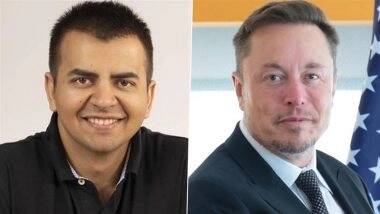
In a recent exchange on social media, Tesla CEO Elon Musk announced that his company had achieved a “major breakthrough” in scaling the dry electrode process for lithium battery production. This development is significant, as it has the potential to increase the efficiency and reduce the cost of battery production, making electric vehicles more accessible to the masses. However, Musk’s claim was quickly countered by Ola Electric founder-CEO, Bhavish Aggarwal, who revealed that his company has been using a similar dry coating process since last year, with lakhs of cells already in customer vehicles.
Aggarwal’s response was not just a humble brag about Ola Electric’s technological prowess, but also a statement of fact that highlights the shifting landscape of innovation in the tech industry. “World-class tech isn’t the domain of the West anymore,” Aggarwal said, emphasizing that companies from other parts of the world, including India, are now capable of developing and implementing cutting-edge technologies that can rival those of their Western counterparts.
This exchange between Musk and Aggarwal is significant, as it underscores the growing importance of emerging markets in the development and adoption of new technologies. For decades, the West, particularly the United States and Europe, has been the hub of technological innovation, with companies like Tesla, Google, and Amazon leading the charge. However, in recent years, there has been a noticeable shift, with companies from Asia, particularly China and India, making significant strides in areas like electric vehicles, renewable energy, and artificial intelligence.
Ola Electric, for example, has been at the forefront of India’s electric vehicle revolution, with its range of electric scooters and motorcycles that are designed to be affordable, efficient, and environmentally friendly. The company’s use of dry coating technology in its battery production is a testament to its commitment to innovation and its ability to develop and implement cutting-edge technologies that can compete with the best in the world.
The implications of this shift are far-reaching, as it suggests that the traditional dominance of Western companies in the tech industry is no longer a given. Instead, companies from emerging markets are now capable of developing and implementing technologies that can rival those of their Western counterparts, creating a more level playing field and increasing competition in the industry.
This development is also significant for the environment, as it suggests that the transition to a more sustainable and environmentally friendly future is no longer the sole domain of Western companies. With companies like Ola Electric leading the charge in emerging markets, there is now a greater opportunity for the adoption of electric vehicles and other sustainable technologies, which can help to reduce greenhouse gas emissions and mitigate the impacts of climate change.
Furthermore, this shift also highlights the importance of collaboration and knowledge-sharing between companies from different parts of the world. As Aggarwal noted, the development of cutting-edge technologies is no longer a solo effort, but rather a global effort that requires the collaboration and expertise of companies and researchers from around the world.
In conclusion, the exchange between Musk and Aggarwal is a significant development that highlights the shifting landscape of innovation in the tech industry. As Aggarwal noted, “world-class tech isn’t the domain of the West anymore,” and companies from emerging markets are now capable of developing and implementing cutting-edge technologies that can rival those of their Western counterparts. This shift has significant implications for the industry, the environment, and the global economy, and underscores the importance of collaboration and knowledge-sharing between companies from different parts of the world.
About the Author