World-class tech isn’t domain of the West anymore: Ola CEO to Musk
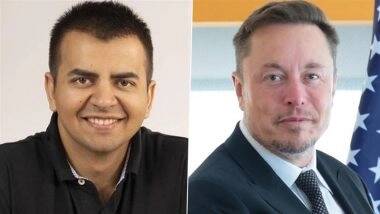
The world of technology has long been dominated by Western countries, with the United States and Europe being at the forefront of innovation. However, in recent years, there has been a significant shift in the global tech landscape, with emerging economies like India and China making significant strides in various fields, including electric vehicle (EV) technology. A recent exchange between Tesla CEO Elon Musk and Ola Electric founder-CEO Bhavish Aggarwal highlights this changing dynamic.
Musk recently announced that Tesla had achieved a “major breakthrough” by scaling the dry electrode process for lithium battery production. This development is significant, as it has the potential to increase the efficiency and reduce the cost of battery production, making EVs more affordable and accessible to a wider audience. However, Aggarwal was quick to respond, stating that Ola Electric has been using its dry coating process since last year, with lakhs of cells already in customer vehicles.
Aggarwal’s response was not just a matter of one-upmanship, but also a statement of fact. Ola Electric, an Indian company, has been making significant strides in the field of EV technology, and its dry coating process is a testament to the company’s innovative capabilities. By using this process, Ola Electric has been able to reduce the cost of battery production, making its EVs more competitive in the market.
The implications of Aggarwal’s statement are far-reaching. By saying that “world-class tech isn’t the domain of the West anymore,” Aggarwal is highlighting the fact that emerging economies like India are no longer just followers, but also leaders in the field of technology. This shift is not limited to the EV sector, but is a broader trend that is visible across various industries, including software, e-commerce, and fintech.
In recent years, India has emerged as a significant player in the global tech industry, with companies like Ola, Flipkart, and Paytm making a mark on the global stage. These companies have not only innovated and disrupted traditional industries but have also created new opportunities for employment, entrepreneurship, and economic growth.
The growth of the Indian tech industry has been driven by a combination of factors, including a large and growing market, a skilled and talented workforce, and a favorable business environment. The Indian government has also played a significant role in promoting the growth of the tech industry, through initiatives like Digital India, Make in India, and Startup India.
The fact that Indian companies like Ola Electric are now competing with global giants like Tesla is a testament to the country’s growing technological capabilities. It also highlights the fact that the global tech industry is no longer a monopoly of Western countries, but is now a truly global and decentralized industry, with companies from emerging economies playing a significant role.
The exchange between Musk and Aggarwal also highlights the fact that the global tech industry is becoming increasingly interconnected. Companies from different countries are now collaborating, competing, and innovating together, creating new opportunities for growth and development. This interconnectedness is not limited to the tech industry, but is a broader trend that is visible across various sectors, including trade, finance, and education.
In conclusion, the statement by Ola Electric founder-CEO Bhavish Aggarwal that “world-class tech isn’t the domain of the West anymore” is a significant one, highlighting the fact that emerging economies like India are now at the forefront of technological innovation. The growth of the Indian tech industry, driven by a combination of factors, including a large and growing market, a skilled and talented workforce, and a favorable business environment, is a testament to the country’s growing technological capabilities.
As the global tech industry continues to evolve, it is likely that we will see more companies from emerging economies like India, China, and Brazil making a mark on the global stage. This shift will not only create new opportunities for growth and development but will also lead to a more diverse and decentralized global tech industry, with companies from different countries and regions contributing to innovation and technological progress.
About the Author