World-class tech isn’t the domain of the West anymore: Ola CEO to Musk
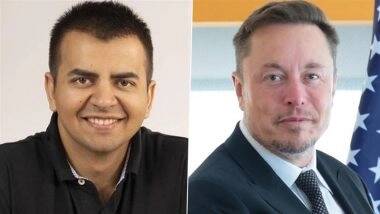
In a significant assertion, Ola Electric founder-CEO, Bhavish Aggarwal, has responded to Tesla CEO Elon Musk’s claim of achieving a “major breakthrough” in lithium battery production. Musk had announced that Tesla had successfully scaled the dry electrode process for lithium battery production, which is a crucial step in enhancing the efficiency and range of electric vehicles. However, Aggarwal was quick to point out that his company, Ola Electric, has been utilizing a similar dry coating process since last year, with lakhs of cells already integrated into customer vehicles.
The exchange between the two CEOs highlights the shifting landscape of technological innovation, with companies from the East increasingly making their mark on the global stage. Aggarwal’s statement, “World-class tech isn’t the domain of the West anymore,” serves as a testament to the growing prowess of Indian companies in the tech sector. This sentiment is particularly significant, given the historical dominance of Western countries in the field of technological advancements.
The dry electrode process is a critical component in the production of lithium-ion batteries, which are widely used in electric vehicles. The traditional method of battery production involves a wet electrode process, which is more time-consuming and labor-intensive. In contrast, the dry electrode process enables faster and more efficient production, resulting in improved battery performance and increased range for electric vehicles.
Ola Electric’s adoption of the dry coating process last year has already yielded impressive results, with the company successfully integrating lakhs of cells into customer vehicles. This achievement demonstrates the company’s commitment to innovation and its ability to stay ahead of the curve in the rapidly evolving electric vehicle market.
The fact that Ola Electric has been using a similar technology for over a year now underscores the company’s capabilities in developing and implementing cutting-edge solutions. Aggarwal’s response to Musk’s announcement serves as a reminder that Indian companies are no longer mere spectators in the global tech landscape. Instead, they are actively contributing to the development of innovative technologies and solutions that are transforming the world.
The implications of this trend are far-reaching, with significant consequences for the global economy and the tech industry as a whole. As Indian companies continue to make strides in technological innovation, they are likely to attract increased investment, talent, and attention from around the world. This, in turn, is expected to drive growth, create new opportunities, and foster a culture of innovation and entrepreneurship in the country.
Furthermore, the rise of Indian tech companies challenges the traditional narrative of Western dominance in the field of technological advancements. It highlights the growing importance of emerging economies and the need for a more inclusive and diverse approach to innovation. As the world becomes increasingly interconnected, it is essential to recognize and appreciate the contributions of companies from diverse backgrounds and regions.
In conclusion, the exchange between Bhavish Aggarwal and Elon Musk serves as a powerful reminder of the shifting dynamics of technological innovation. Aggarwal’s statement, “World-class tech isn’t the domain of the West anymore,” is a testament to the growing capabilities of Indian companies in the tech sector. As the world continues to evolve and innovate, it is essential to recognize and celebrate the contributions of companies from all regions, including those from emerging economies like India.
The future of technological innovation is likely to be shaped by a diverse range of players, including companies from the East and the West. As we move forward, it is crucial to foster a culture of collaboration, inclusivity, and mutual respect, where companies from all backgrounds can come together to share ideas, expertise, and knowledge. By doing so, we can unlock the full potential of technological innovation and create a brighter, more sustainable future for all.
About the Author