World-class tech isn’t domain of the West anymore: Ola CEO to Musk
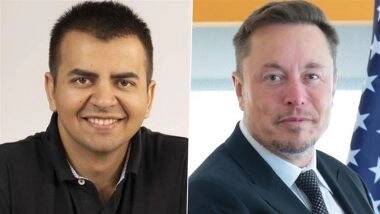
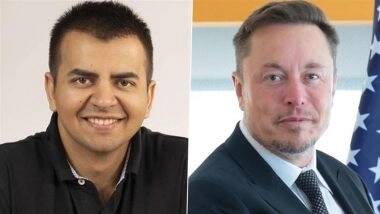
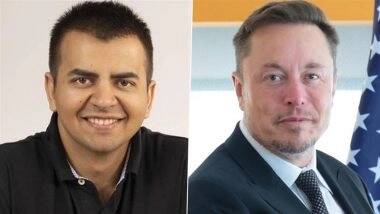
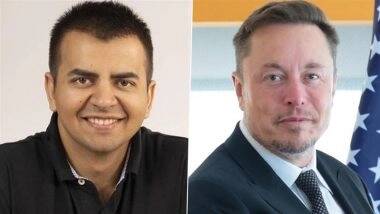
In a recent exchange on social media, Tesla CEO Elon Musk announced that his company had achieved a “major breakthrough” in scaling the dry electrode process for lithium battery production. This breakthrough is expected to significantly improve the efficiency and cost-effectiveness of Tesla’s battery production. However, Ola Electric founder-CEO Bhavish Aggarwal was quick to respond, stating that his company has been using a similar dry coating process since last year, with lakhs of cells already in customer vehicles.
Aggarwal’s response was not just a statement of fact, but also a bold assertion that “world-class tech isn’t the domain of the West anymore.” This statement has sparked a significant debate about the changing landscape of technology and innovation, and the role of emerging economies like India in driving this change.
The dry electrode process is a significant innovation in battery production, as it eliminates the need for a wet electrode process, which is more time-consuming and expensive. By using a dry coating process, battery manufacturers can produce cells more quickly and at a lower cost, making electric vehicles more competitive with traditional gasoline-powered vehicles.
Ola Electric’s use of a dry coating process since last year is a significant achievement, and demonstrates the company’s commitment to innovation and technological advancement. The fact that lakhs of cells are already in customer vehicles is a testament to the scalability and reliability of Ola’s technology.
Musk’s announcement, on the other hand, highlights the ongoing efforts of Tesla to improve its battery technology and reduce production costs. As one of the leading electric vehicle manufacturers in the world, Tesla is under constant pressure to innovate and stay ahead of the competition.
However, Aggarwal’s response to Musk’s announcement is more than just a statement of fact. It is a declaration of India’s arrival on the global technology stage, and a challenge to the traditional dominance of Western companies in the tech industry. For too long, the West has been seen as the hub of technological innovation, with companies like Tesla, Google, and Amazon leading the way.
But times are changing, and emerging economies like India are rapidly catching up. With a large and growing market, a highly skilled workforce, and a government committed to supporting innovation and entrepreneurship, India is poised to become a major player in the global tech industry.
Ola Electric’s achievement is just one example of the innovative work being done by Indian companies in the tech sector. From e-commerce and fintech to artificial intelligence and renewable energy, Indian companies are making significant contributions to the global tech landscape.
Aggarwal’s statement is also a reflection of the growing confidence and ambition of Indian entrepreneurs and companies. No longer content to simply follow in the footsteps of Western companies, Indian businesses are increasingly seeking to lead the way in innovation and technological advancement.
As the global tech industry continues to evolve, it is likely that we will see more examples of Indian companies like Ola Electric pushing the boundaries of what is possible. With their unique perspective, skills, and experience, Indian entrepreneurs and businesses are well-positioned to drive innovation and growth in the tech sector.
In conclusion, the exchange between Musk and Aggarwal is more than just a discussion about battery technology. It is a reflection of the changing landscape of technological innovation, and the growing importance of emerging economies like India in driving this change. As Aggarwal said, “world-class tech isn’t the domain of the West anymore.” It is a global phenomenon, with companies and entrepreneurs from around the world contributing to the rapid pace of innovation and progress.
About the Author