World-class tech isn’t domain of the West anymore: Ola CEO to Musk
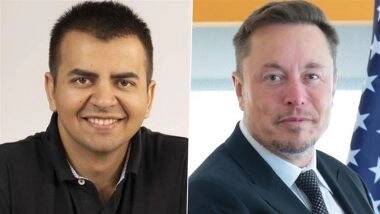
The world of technology is no longer limited to the Western hemisphere, and a recent exchange between two of the most prominent figures in the industry has made this fact crystal clear. Elon Musk, the CEO of Tesla, recently announced that his company had achieved a “major breakthrough” in scaling the dry electrode process for lithium battery production. However, his claim was quickly countered by Bhavish Aggarwal, the founder-CEO of Ola Electric, who pointed out that his company had been using a similar dry coating process since last year.
The exchange began when Musk took to Twitter to announce Tesla’s breakthrough, stating that the company had successfully scaled up the dry electrode process for lithium battery production. This process is significant because it has the potential to increase the efficiency and reduce the cost of battery production, making electric vehicles more accessible to the masses. Musk’s announcement was met with excitement and praise from his followers, with many hailing it as a major achievement for the company.
However, Aggarwal was quick to respond, pointing out that Ola Electric had been using a similar dry coating process since last year. In a tweet, Aggarwal stated that his company had already produced lakhs of cells using this process, which were currently being used in customer vehicles. This revelation was a clear indication that the technology was not as new or groundbreaking as Musk had claimed.
Aggarwal’s response was not just a matter of one-upmanship; it was also a statement about the changing landscape of the technology industry. For too long, the West has been seen as the hub of technological innovation, with companies like Tesla and Google leading the charge. However, the fact that Ola Electric, an Indian company, had been using a similar technology for over a year suggests that the playing field is leveling out.
As Aggarwal himself put it, “World-class tech isn’t the domain of the West anymore.” This statement is not just a boast; it’s a reflection of the reality that technology is no longer the exclusive domain of Western companies. With the rise of emerging markets and the growth of technology hubs in countries like India and China, the industry is becoming increasingly globalized.
This shift has significant implications for the future of technology. For one, it means that companies from emerging markets are no longer just followers; they are now leaders in their own right. They are driving innovation, creating new products and services, and pushing the boundaries of what is possible. This, in turn, is creating new opportunities for collaboration and knowledge-sharing, as companies from different parts of the world come together to share ideas and best practices.
The exchange between Musk and Aggarwal also highlights the importance of competition in driving innovation. When companies compete with each other, they are forced to innovate and improve their products and services. This competition can lead to breakthroughs and discoveries that might not have been possible otherwise. In this case, the fact that Ola Electric had already developed a similar technology to Tesla’s dry electrode process suggests that the company was driven to innovate by the need to stay ahead of the competition.
Furthermore, the fact that Ola Electric has been using its dry coating process since last year, with lakhs of cells already in customer vehicles, is a testament to the company’s commitment to innovation and customer satisfaction. It shows that the company is not just focused on developing new technologies, but also on deploying them in a way that benefits its customers. This approach is critical in the technology industry, where companies must balance the need for innovation with the need to deliver products and services that meet the needs of their customers.
In conclusion, the exchange between Musk and Aggarwal is a significant moment in the history of the technology industry. It highlights the fact that world-class technology is no longer the exclusive domain of the West, and that companies from emerging markets are now leading the charge. It also underscores the importance of competition and innovation in driving progress, and the need for companies to balance the need for innovation with the need to deliver products and services that meet the needs of their customers.
As the technology industry continues to evolve, it will be exciting to see how companies from different parts of the world come together to shape the future. With the rise of emerging markets and the growth of technology hubs in countries like India and China, the industry is becoming increasingly globalized. This shift has the potential to create new opportunities for collaboration and knowledge-sharing, and to drive innovation and progress in ways that were previously unimaginable.
About the Author