World-class tech isn’t domain of the West anymore: Ola CEO to Musk
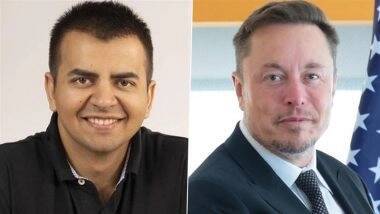
In a recent tweet, Tesla CEO Elon Musk announced that his company had achieved a “major breakthrough” in scaling the dry electrode process for lithium battery production. This news sent shockwaves through the tech and automotive industries, with many praising Musk and Tesla for their innovative achievement. However, not everyone was impressed. Ola Electric founder-CEO, Bhavish Aggarwal, responded to Musk’s tweet, stating that his company had been using a similar dry coating process since last year, with lakhs of cells already in customer vehicles.
Aggarwal’s response was not just a simple acknowledgement of Tesla’s achievement, but a bold statement that highlighted the growing capabilities of Indian tech companies. “World-class tech isn’t the domain of the West anymore,” Aggarwal said, implying that companies from other parts of the world, including India, are now capable of developing and implementing cutting-edge technologies. This statement has significant implications, as it challenges the long-held notion that Western countries, particularly the United States, are the sole hubs of technological innovation.
For decades, the West has been synonymous with technological advancements, with companies like Google, Apple, and Tesla leading the charge. However, in recent years, there has been a shift in the global tech landscape. Countries like China, India, and South Korea have been investing heavily in technology and innovation, resulting in the emergence of new players in the market. Companies like Ola, BYD, and Huawei have been making significant strides in areas like electric vehicles, renewable energy, and telecommunications, giving Western companies a run for their money.
The fact that Ola Electric has been using a dry coating process for lithium battery production since last year is a testament to the company’s capabilities. The dry electrode process is a complex and challenging technology to master, requiring significant investments in research and development. By achieving this milestone, Ola Electric has demonstrated that it has the expertise and resources to compete with global leaders like Tesla.
Furthermore, Aggarwal’s statement highlights the growing importance of India as a hub for technological innovation. The country has been actively promoting the development of its tech sector, with initiatives like Make in India and Digital India aimed at encouraging entrepreneurship and investment in the sector. The results are beginning to show, with Indian companies like Ola, Flipkart, and Paytm making significant contributions to the global tech landscape.
The implications of Aggarwal’s statement extend beyond the tech industry, as they have significant geopolitical implications. For decades, the West has dominated the global tech landscape, with companies from the United States and Europe leading the charge. However, the emergence of new players from countries like India and China is challenging this dominance, creating new opportunities for collaboration and competition.
As the global tech landscape continues to evolve, it is likely that we will see more companies from emerging markets making significant contributions to technological innovation. The fact that Ola Electric has been able to develop and implement a cutting-edge technology like the dry coating process for lithium battery production is a testament to the capabilities of Indian tech companies.
In conclusion, Bhavish Aggarwal’s statement that “world-class tech isn’t the domain of the West anymore” is a significant one, highlighting the growing capabilities of Indian tech companies and challenging the long-held notion that Western countries are the sole hubs of technological innovation. As the global tech landscape continues to evolve, it is likely that we will see more companies from emerging markets making significant contributions to technological innovation, creating new opportunities for collaboration and competition.
About the Author