World-class tech isn’t domain of the West anymore: Ola CEO to Musk
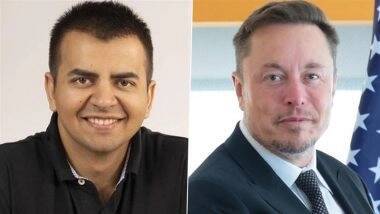
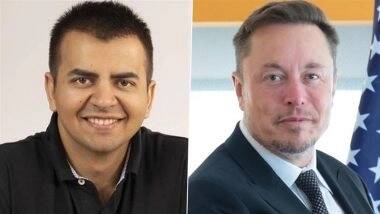
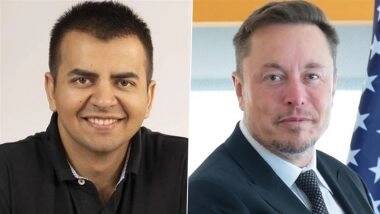
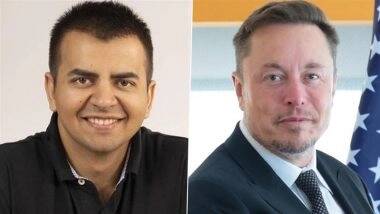
The world of technology has long been dominated by Western countries, with the United States and Europe being at the forefront of innovation. However, in recent years, there has been a significant shift in the global tech landscape, with countries like India and China emerging as major players. A recent exchange between Tesla CEO Elon Musk and Ola Electric founder-CEO Bhavish Aggarwal highlights this shift, with Aggarwal asserting that world-class technology is no longer the exclusive domain of the West.
The conversation began when Musk announced that Tesla had achieved a “major breakthrough” by scaling the dry electrode process for lithium battery production. This process is a significant innovation in the field of electric vehicle manufacturing, as it allows for more efficient and cost-effective production of lithium batteries. Musk’s announcement was seen as a major milestone for Tesla, and the company’s stock prices soared as a result.
However, Aggarwal was quick to respond, pointing out that Ola Electric had already been using a similar dry coating process for its lithium batteries since last year. In fact, Aggarwal claimed that lakhs of cells using this process were already in customer vehicles, demonstrating the company’s ability to scale and deploy the technology effectively.
Aggarwal’s response was not just a matter of one-upmanship, but rather a statement of fact that highlights the growing capabilities of Indian tech companies. By saying that “world-class tech isn’t the domain of the West anymore,” Aggarwal was asserting that Indian companies like Ola Electric are now capable of developing and deploying cutting-edge technologies that are on par with those developed in the West.
This is not just a matter of national pride, but also a reflection of the changing global economic landscape. As countries like India and China continue to grow and develop, they are increasingly becoming major players in the global tech industry. Indian companies like Ola Electric, Flipkart, and Paytm are already making waves in the global market, and it’s likely that we will see more Indian companies emerging as major players in the years to come.
The implications of this shift are significant. For one, it means that Western companies can no longer assume that they have a monopoly on innovation and technology. Indian and Chinese companies are now capable of developing and deploying cutting-edge technologies, and they are increasingly becoming major competitors in the global market.
It also means that the global tech industry is becoming more decentralized, with innovation and development happening in multiple locations around the world. This is likely to lead to a more diverse and vibrant tech ecosystem, with different companies and countries bringing their unique perspectives and strengths to the table.
In the context of the electric vehicle industry, the fact that Indian companies like Ola Electric are developing and deploying cutting-edge technologies like dry coating processes for lithium batteries is a significant development. It suggests that India is likely to play a major role in the global transition to electric vehicles, and that Indian companies will be major players in the industry.
Overall, the exchange between Musk and Aggarwal highlights the changing nature of the global tech industry. As Aggarwal said, “world-class tech isn’t the domain of the West anymore,” and it’s likely that we will see more Indian and Chinese companies emerging as major players in the years to come.
In conclusion, the world of technology is no longer the exclusive domain of Western countries. Indian and Chinese companies are now capable of developing and deploying cutting-edge technologies, and they are increasingly becoming major players in the global market. As the global tech industry continues to evolve and grow, it’s likely that we will see more innovation and development happening in multiple locations around the world.
About the Author