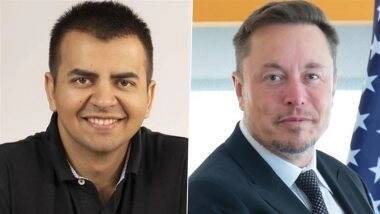
World-class tech isn’t the domain of the West anymore: Ola CEO to Musk
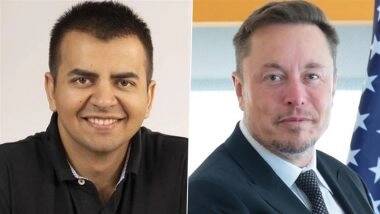
The world of technology is evolving at a rapid pace, and it’s no longer a one-way street where innovations only originate from the West. The recent exchange between Tesla CEO Elon Musk and Ola Electric founder-CEO Bhavish Aggarwal on Twitter highlights this shift. Musk announced that Tesla had achieved a “major breakthrough” by scaling the dry electrode process for lithium battery production, to which Aggarwal responded that his company has been using a similar dry coating process since last year.
The response from Aggarwal wasn’t just a simple acknowledgement of Musk’s achievement; it was a statement of fact that underscored the progress made by Indian companies in the field of technology. “World-class tech isn’t the domain of the West anymore,” Aggarwal tweeted, making a bold claim that resonates with the current state of the global tech landscape.
The dry electrode process is a significant innovation in lithium battery production, as it eliminates the need for a liquid electrolyte, making the process more efficient and cost-effective. This technology has the potential to revolutionize the electric vehicle (EV) industry, which is why both Tesla and Ola Electric are investing heavily in its development.
Ola Electric, which is a leading player in the Indian EV market, has been working on its dry coating process for some time now. According to Aggarwal, the company has already produced lakhs of cells using this process, which are currently being used in customer vehicles. This is a significant milestone, as it demonstrates the company’s ability to scale up production and integrate the new technology into its existing products.
The fact that Ola Electric has been using its dry coating process since last year is a testament to the company’s commitment to innovation and its ability to stay ahead of the curve. It also highlights the growing capabilities of Indian companies in the field of technology, which are no longer content to simply follow in the footsteps of their Western counterparts.
The exchange between Musk and Aggarwal has sparked a debate about the changing dynamics of the global tech industry. While the West has traditionally been the hub of technological innovation, companies from other parts of the world, including India and China, are increasingly making their presence felt.
This shift is driven by a combination of factors, including government policies, investments in research and development, and a growing pool of talented engineers and scientists. In India, for example, the government has launched several initiatives to promote the development of the EV industry, including the Faster Adoption and Manufacturing of Hybrid and Electric Vehicles (FAME) scheme.
The FAME scheme provides incentives to companies that invest in EV technology, including subsidies for the production of electric vehicles and the development of charging infrastructure. This has led to a surge in investment in the EV sector, with companies like Ola Electric, Tata Motors, and Mahindra & Mahindra leading the charge.
The growth of the EV industry in India is also driven by the country’s large and growing market for vehicles. With over 1.3 billion people, India is one of the largest markets for vehicles in the world, and there is a growing demand for eco-friendly and sustainable transportation options.
As the EV industry continues to evolve, it’s likely that we’ll see more innovations emerging from companies like Ola Electric and Tesla. The dry electrode process is just one example of the kind of technology that’s being developed, and it has the potential to transform the way we think about energy storage and electric vehicles.
In conclusion, the exchange between Musk and Aggarwal highlights the changing dynamics of the global tech industry. With companies like Ola Electric leading the charge, it’s clear that world-class tech is no longer the exclusive domain of the West. As Aggarwal tweeted, “World-class tech isn’t the domain of the West anymore,” and it’s a statement that resonates with the current state of the global tech landscape.
About the Author