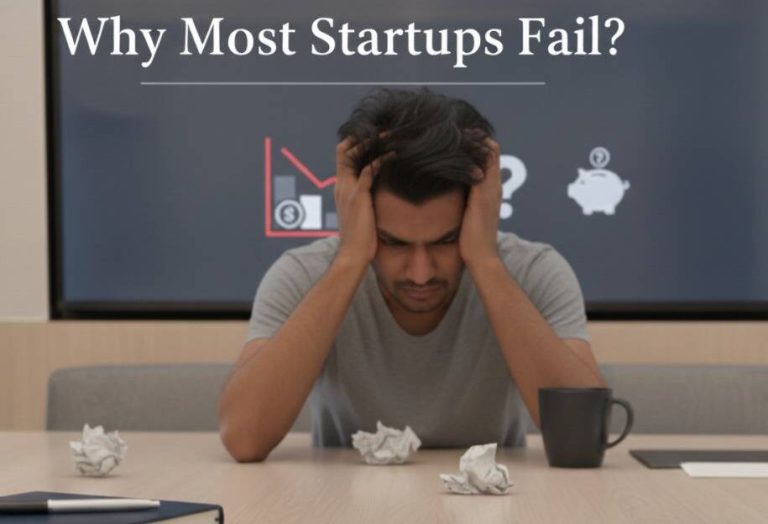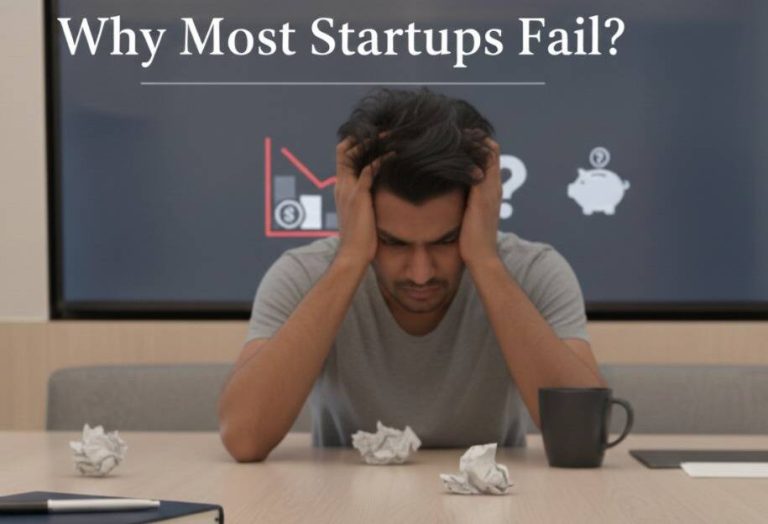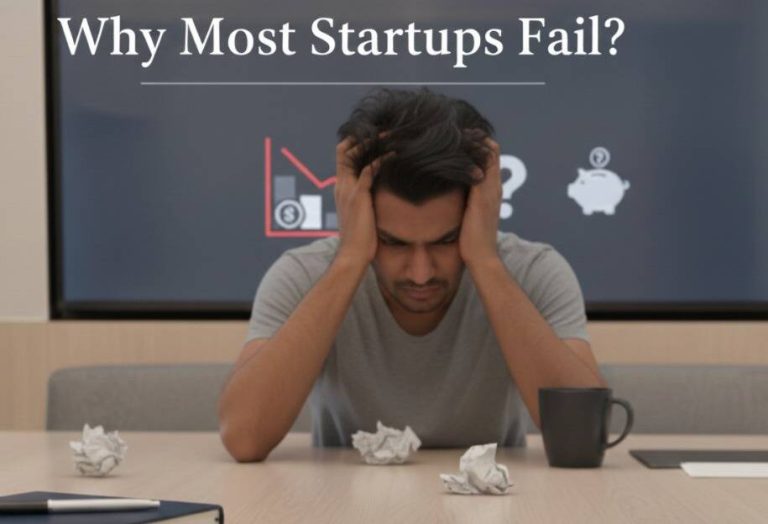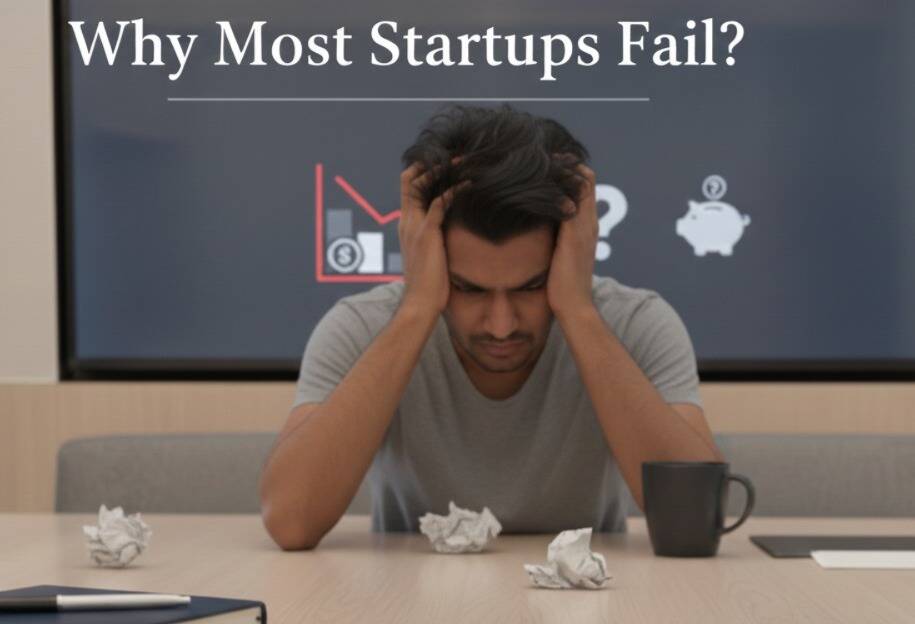
Why most startups fail despite big ideas and funding?
The startup ecosystem is known for its innovative ideas, cutting-edge technology, and ambitious founders. However, despite the initial excitement and funding, most startups fail to achieve their desired goals. According to various studies, it’s estimated that up to 90% of startups fail, leaving many to wonder what goes wrong. The truth is, it’s not the lack of innovative ideas or funding that leads to failure, but rather poor fundamentals. In this article, we’ll explore the three key mistakes that founders and industry leaders believe are the biggest reasons why most startups fail.
Lack of Real Market Demand
One of the primary reasons startups fail is the lack of real market demand for their product or service. Many founders assume that their idea is unique and will automatically attract customers, but this is often not the case. Without proper market research and validation, startups can end up creating a solution for a problem that doesn’t exist or isn’t significant enough to generate substantial revenue. This can lead to a lack of traction, poor sales, and ultimately, the demise of the startup.
Founders often get caught up in their own vision and assume that others will see the value in their product or service. However, this can lead to a disconnect between the startup’s offering and the actual needs of the market. To avoid this, startups should prioritize customer validation, gathering feedback from potential customers, and iterating on their product or service to meet the needs of the market.
Uncontrolled Cash Burn
Another critical mistake startups make is uncontrolled cash burn. Many founders, especially those with significant funding, can get caught up in the excitement of building their startup and overspend on unnecessary expenses. This can include hiring too many employees too quickly, spending excessively on marketing and advertising, or investing in unnecessary infrastructure. When startups burn through their cash reserves too quickly, they can find themselves without the necessary funds to sustain their operations, leading to a rapid decline.
Startups should prioritize financial discipline, carefully managing their expenses and ensuring that they have a sustainable cash flow. This means being frugal, focusing on essential expenses, and avoiding unnecessary costs. By doing so, startups can extend their runway, giving themselves more time to achieve traction and reach profitability.
Weak Execution
The final key mistake startups make is weak execution. Even with a great idea and sufficient funding, poor execution can lead to failure. This can include inadequate planning, poor team management, and a lack of focus on key objectives. When startups fail to execute effectively, they can struggle to deliver their product or service, leading to dissatisfied customers, poor reviews, and a damaged reputation.
To avoid weak execution, startups should prioritize planning, setting clear goals and objectives, and establishing a strong team with the necessary skills and expertise. Founders should also focus on building a culture of accountability, ensuring that team members are motivated and working towards common goals. By executing effectively, startups can deliver high-quality products or services, build strong relationships with customers, and establish a solid foundation for growth.
The Importance of Adaptability
In addition to avoiding these three key mistakes, startups must also be adaptable. The startup ecosystem is constantly evolving, with new technologies, trends, and competitors emerging all the time. To succeed, startups must be able to pivot quickly, responding to changes in the market and adjusting their strategy accordingly. This can include refining their product or service, expanding into new markets, or exploring new revenue streams.
Startups that are unable to adapt quickly can find themselves left behind, struggling to keep up with the rapid pace of change. By being agile and responsive, startups can stay ahead of the curve, capitalizing on new opportunities and avoiding potential threats.
Conclusion
Starting a successful startup is a challenging and complex process, requiring a combination of innovative ideas, sufficient funding, and strong execution. While many startups fail despite big ideas and funding, it’s often due to poor fundamentals, including a lack of real market demand, uncontrolled cash burn, and weak execution. By prioritizing customer validation, financial discipline, and effective planning, startups can avoid these common mistakes and establish a solid foundation for growth. Additionally, by being adaptable and responsive to changes in the market, startups can stay ahead of the curve and achieve long-term success.
To learn more about the startup ecosystem and the common mistakes that lead to failure, visit https://ascendants.in/industry_events/why-most-startups-fail-3-key-mistakes/. This resource provides valuable insights from founders and industry leaders, offering practical advice and guidance for startups looking to succeed.
News Source: https://ascendants.in/industry_events/why-most-startups-fail-3-key-mistakes/
About the Author