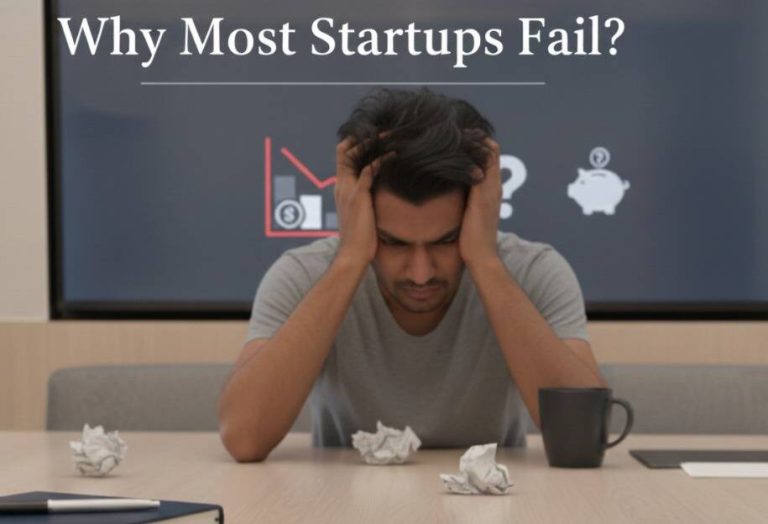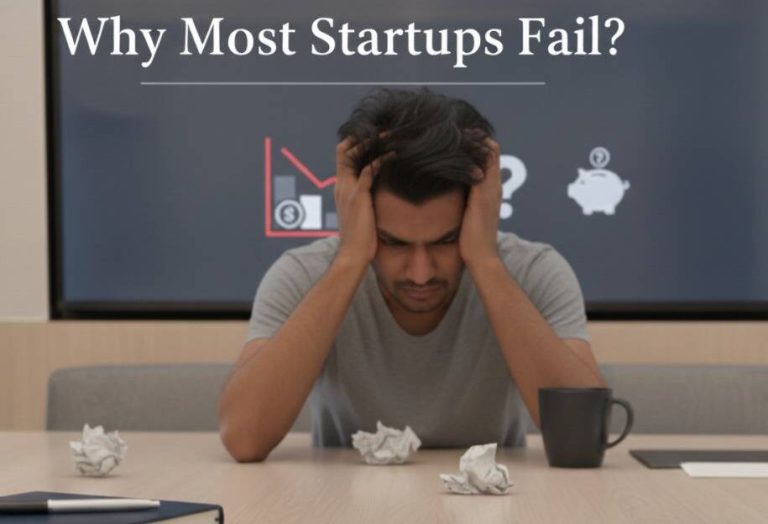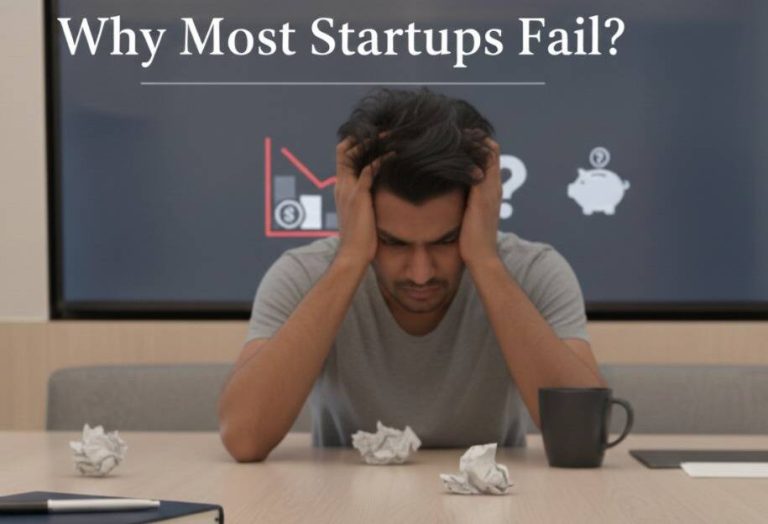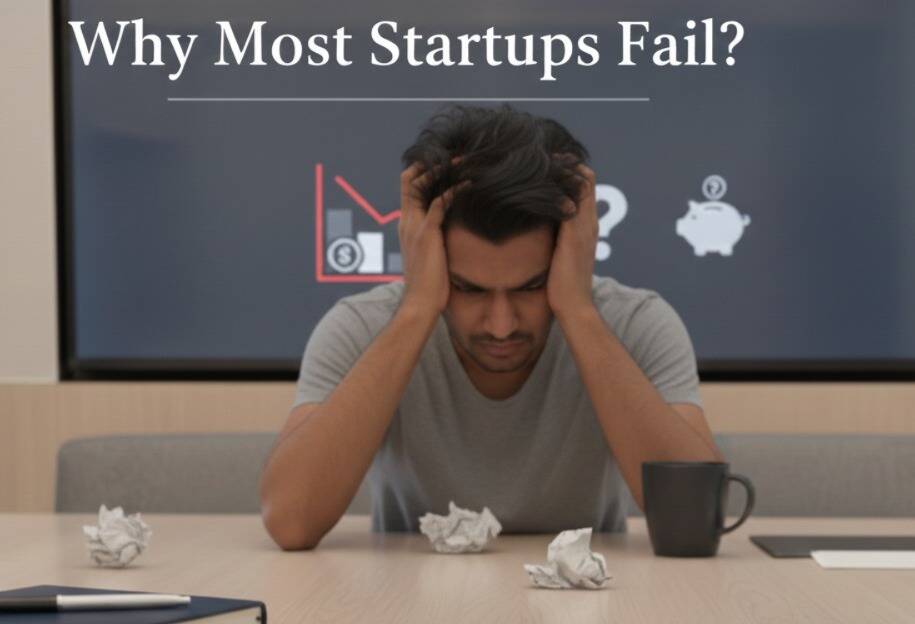
Why most startups fail despite big ideas and funding?
The startup ecosystem is known for its innovative ideas, cutting-edge technology, and enthusiastic founders. However, despite the excitement and promise, most startups fail to achieve long-term success. According to various studies, around 90% of startups fail, and the reasons are often more nuanced than a simple lack of funding or a weak idea. In fact, many startups that fail have received significant funding and have a strong technology backbone. So, what goes wrong?
Founders and industry leaders point to several key mistakes that can lead to a startup’s demise, even with big ideas and funding. In this blog post, we will explore the three biggest reasons why startups fail, and what founders can do to avoid these pitfalls.
Lack of Real Market Demand
One of the most significant reasons why startups fail is the lack of real market demand for their product or service. Many founders fall in love with their idea and assume that there is a market for it, without conducting thorough customer validation. They may have a great technology, but if there is no real need for it, the startup is unlikely to succeed.
Customer validation is a critical step in the startup process. It involves talking to potential customers, understanding their needs, and validating the demand for the product or service. Founders who skip this step or do not take it seriously often end up building a product that nobody wants or needs.
For example, a startup may develop a revolutionary new gadget, but if there is no real market demand for it, the company will struggle to generate revenue. On the other hand, a startup that solves a real problem or meets a genuine need in the market is more likely to succeed, even with a less sophisticated technology.
Uncontrolled Cash Burn
Another major reason why startups fail is uncontrolled cash burn. Many founders, especially those who have received significant funding, often overspend on unnecessary expenses, such as lavish offices, high-end equipment, or expensive marketing campaigns. They may assume that they have plenty of runway, but in reality, they are burning through their cash reserves at an alarming rate.
Uncontrolled cash burn can be devastating for a startup, as it leaves the company with little financial flexibility to adapt to changing market conditions or respond to unexpected setbacks. Founders who fail to manage their finances effectively often find themselves in a situation where they are forced to shut down the company, despite having a great idea or technology.
For instance, a startup may have a strong product, but if it spends too much on marketing and sales, it may not have enough cash to invest in product development or customer support. On the other hand, a startup that manages its finances effectively, prioritizes its spending, and conserves its cash reserves is more likely to weather the storms of the startup journey.
Weak Execution
Weak execution is the third major reason why startups fail. Many founders have a great idea, but they fail to execute it effectively. They may lack the necessary skills, experience, or resources to build a strong team, develop a robust product, or deliver excellent customer service.
Weak execution can manifest in many ways, such as a poorly designed product, a lackluster user experience, or inadequate customer support. Founders who fail to execute their vision effectively often find themselves struggling to attract and retain customers, which can lead to a vicious cycle of decline and eventual failure.
For example, a startup may have a great idea for a mobile app, but if the app is buggy, slow, or difficult to use, customers will quickly lose interest. On the other hand, a startup that prioritizes execution, focuses on delivering a high-quality product, and continuously iterates and improves is more likely to succeed, even with a less-than-perfect idea.
Conclusion
Most startups fail not because their ideas are weak, but due to poor fundamentals. Founders and industry leaders say that lack of real market demand, uncontrolled cash burn, and weak execution are the biggest reasons why startups fail, despite big ideas and funding. Startups that skip customer validation, overspend before revenue, or fail to adapt quickly often shut down, despite strong technology, funding interest, or early buzz.
To avoid these pitfalls, founders must prioritize customer validation, manage their finances effectively, and focus on delivering a high-quality product or service. By doing so, they can increase their chances of success and build a sustainable business that meets the needs of their customers.
In conclusion, the startup journey is fraught with challenges, and even the best ideas can fail if not executed properly. However, by understanding the common mistakes that startups make and taking steps to avoid them, founders can increase their chances of success and build a thriving business that makes a real impact in the market.
Source: https://ascendants.in/industry_events/why-most-startups-fail-3-key-mistakes/
About the Author