We pay for even water, celebrities get paid in crores: Delivery worker
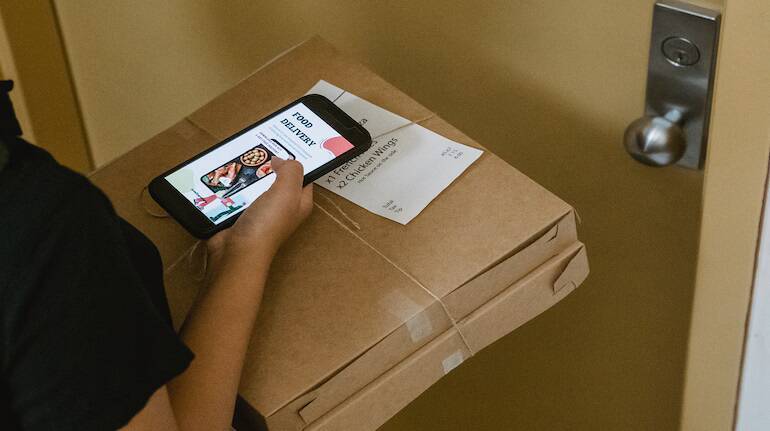
The gig economy has revolutionized the way we live and work, with millions of people around the world relying on online platforms to earn a living. However, behind the scenes, the reality of being a gig worker is far from glamorous. A recent nationwide strike of gig workers in India has highlighted the struggles faced by delivery agents, who are the backbone of the online delivery industry. One such delivery agent, who participated in the strike, spoke out about the harsh realities of his job, revealing a stark contrast between the treatment of celebrities and gig workers by online delivery platforms.
The delivery agent, who has been working for a leading online delivery platform since 2022, expressed his frustration at the way gig workers are treated. “We are made to feel worse than animals,” he said. “Companies pay crores to celebrities for ads, but we have to pay for everything, including helmets and water. Why can’t they provide us with basic safety gear and water?” He also lamented the decline in his earnings over the years, stating, “I’ve been working since 2022, and my earnings have only declined.”
This sentiment is echoed by many gig workers, who feel that they are being exploited by online delivery platforms. Despite being the face of the company, delivery agents are often treated as mere contractors, without access to basic benefits or job security. They are expected to work long hours, often in harsh weather conditions, without any provision for safety gear or basic amenities like water.
The contrast between the treatment of celebrities and gig workers is indeed striking. While celebrities are paid crores for endorsing online delivery platforms, gig workers are expected to pay for their own helmets, uniforms, and even water. This is a clear indication of the skewed priorities of these companies, which seem to value their brand image over the well-being of their workers.
The nationwide strike of gig workers is a culmination of their frustration and anger at the way they are being treated. The strike, which was organized by various gig worker unions, saw thousands of delivery agents across the country boycott work, demanding better pay, job security, and basic benefits. The strike has highlighted the struggles faced by gig workers and has sparked a national conversation about the need for better working conditions and protections for these workers.
One of the key demands of the striking gig workers is for online delivery platforms to provide them with basic safety gear, including helmets, reflective jackets, and first aid kits. They are also demanding access to clean drinking water and sanitation facilities, which are often lacking at delivery hubs. Furthermore, they are seeking better pay and job security, including a minimum guarantee of earnings and protection from unfair terminations.
The strike has also brought attention to the issue of worker exploitation in the gig economy. Many gig workers are classified as independent contractors, rather than employees, which means they are not entitled to basic benefits like minimum wage, paid leave, and social security. This classification allows online delivery platforms to avoid providing benefits and job security to their workers, while still exerting significant control over their work.
The Indian government has introduced several initiatives to regulate the gig economy and protect the rights of gig workers. The Code on Social Security, 2020, for example, provides for social security benefits for gig workers, including pension, health insurance, and maternity benefits. However, the implementation of these initiatives has been slow, and many gig workers continue to face exploitation and harassment at the hands of online delivery platforms.
In conclusion, the nationwide strike of gig workers has highlighted the stark contrast between the treatment of celebrities and gig workers by online delivery platforms. While celebrities are paid crores for endorsing these platforms, gig workers are expected to pay for their own helmets, uniforms, and even water. It is time for online delivery platforms to take responsibility for the well-being of their workers and provide them with basic benefits and job security. The government must also take swift action to regulate the gig economy and protect the rights of gig workers.
As the gig economy continues to grow and evolve, it is essential that we prioritize the well-being and dignity of gig workers. They are the backbone of the online delivery industry, and their struggles and sacrifices must be recognized and addressed. By providing gig workers with basic benefits and job security, online delivery platforms can ensure that their workers are treated with the respect and dignity they deserve.
About the Author