We pay for even water, celebrities get paid in crores: Delivery worker
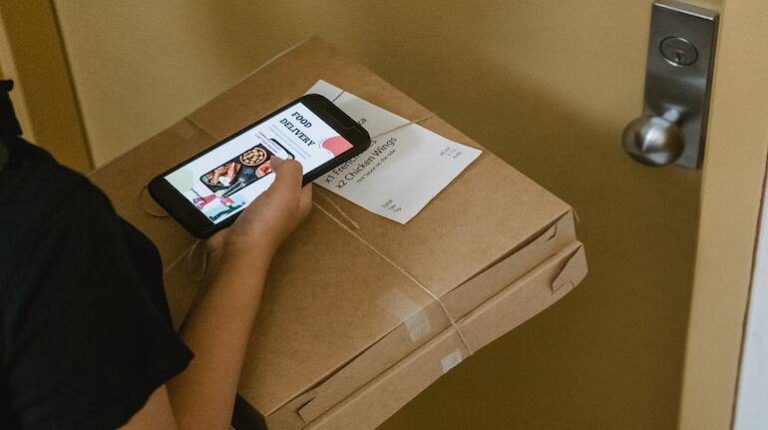
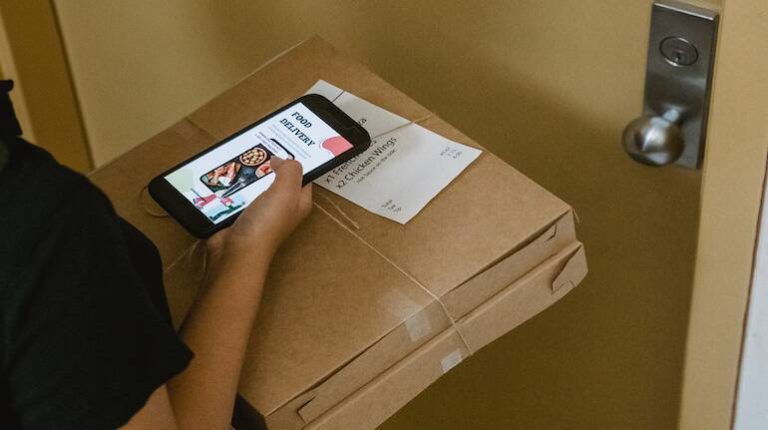
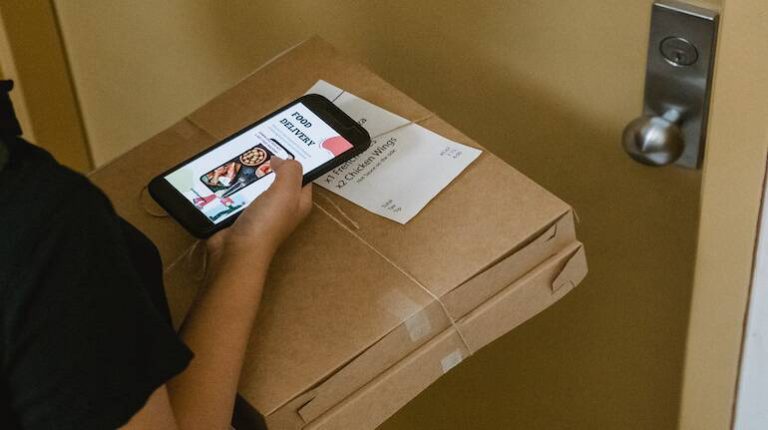
The gig economy has taken the world by storm, with millions of people around the globe relying on online platforms to make a living. In India, the rise of food delivery and e-commerce platforms has created a vast army of delivery workers who are the backbone of these companies. However, despite their crucial role, these workers are often treated poorly and paid meagerly. A recent nationwide strike by gig workers has brought to light the harsh realities faced by these workers, who are forced to pay for even basic necessities like water and safety gear.
One delivery agent, who participated in the strike, expressed his frustration and anger at the way companies treat their workers. “They pay crores to celebrities for ads, but we have to pay for everything, including helmets and water,” he said. “Why can’t they provide us with basic safety gear and water?” he asked. The agent, who has been working since 2022, claimed that his earnings have only declined over time. This is a stark contrast to the millions of rupees spent by companies on advertising and promotional activities, often featuring celebrities and influencers.
The strike, which was called by various gig worker unions, saw thousands of delivery workers across the country protest against the poor working conditions and low wages. The workers are demanding better pay, safer working conditions, and more respect from the companies they work for. They are also seeking recognition as employees, rather than being treated as independent contractors, which would entitle them to benefits and protections under labor laws.
The issue of safety gear is a major concern for delivery workers, who often have to navigate crowded and chaotic streets on their vehicles. Many workers have reported being involved in accidents, and some have even lost their lives while on duty. Despite this, companies often fail to provide them with basic safety equipment like helmets, reflective jackets, and first aid kits. The workers are expected to purchase these items themselves, which can be a significant expense, given their low earnings.
The lack of access to basic amenities like water and sanitation is another major problem faced by delivery workers. Many workers have reported having to pay for water and other refreshments while on duty, which can be a significant expense. This is particularly galling, given that companies often have large budgets for advertising and promotional activities. It is not too much to ask for companies to provide their workers with basic amenities like water and sanitation, especially given the long hours they work.
The exploitation of gig workers is not limited to India, but is a global phenomenon. In many countries, gig workers are treated as independent contractors, rather than employees, which means they are not entitled to benefits like health insurance, paid time off, and workers’ compensation. This can leave them vulnerable to exploitation by companies, which can pay them low wages and deny them basic rights.
The rise of the gig economy has also raised concerns about the future of work and the impact of technology on employment. While technology has created new opportunities for people to make a living, it has also disrupted traditional industries and business models. The gig economy has created a new class of workers who are precarious and insecure, and who often lack the benefits and protections enjoyed by traditional employees.
In India, the government has introduced new laws and regulations to protect gig workers, including the Code on Social Security, 2020. However, much more needs to be done to address the concerns of gig workers and ensure that they are treated fairly and with dignity. Companies must also take responsibility for the treatment of their workers and ensure that they provide them with basic amenities and safety gear.
The strike by gig workers is a wake-up call for companies and governments to take notice of the plight of these workers. It is time for companies to recognize the value and contributions of their workers and treat them with the respect and dignity they deserve. The demand for better pay, safer working conditions, and more respect is not too much to ask, given the crucial role that gig workers play in the economy.
In conclusion, the treatment of gig workers is a scandal that must be addressed. Companies like food delivery and e-commerce platforms must take responsibility for the welfare of their workers and provide them with basic amenities and safety gear. The government must also introduce stronger regulations to protect gig workers and ensure that they are treated fairly and with dignity. The strike by gig workers is a call to action, and it is time for companies and governments to listen and respond.
About the Author