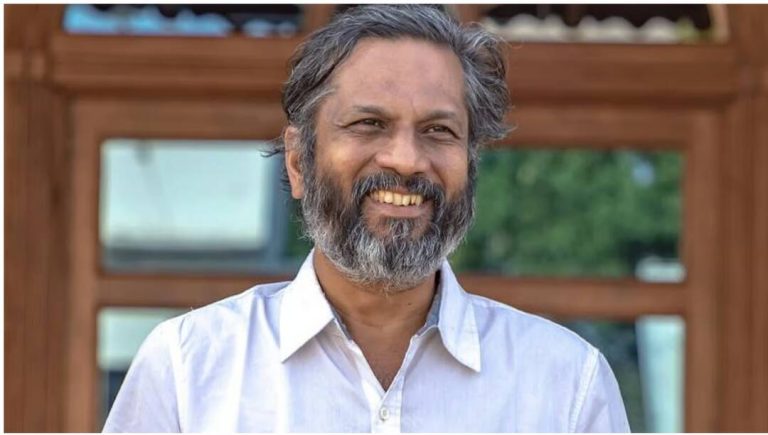
Vembu offers 50% of his Zoho shares to his wife amid divorce proceedings, she refuses
The world of technology and entrepreneurship is not immune to the complexities and challenges of personal relationships. Recently, the news of Sridhar Vembu, the billionaire founder of Zoho, a leading software company, offering 50% of his shares in the company to his wife, Pramila Srinivasan, amid their divorce proceedings, has sent shockwaves through the business and tech communities. This unprecedented move has raised many questions about the intricacies of divorce, wealth distribution, and the role of spouses in business.
According to Sridhar Vembu’s lawyer, Christopher Melcher, the offer was made as a gesture of goodwill and a demonstration of Vembu’s commitment to ensuring his wife’s financial security. “Sridhar has offered to give 50% of his shares in Zoho to Pramila, which is a significant portion of his wealth,” Melcher said. This offer is particularly notable given the substantial value of Zoho, a company that has been valued at over $10 billion.
However, in a surprising turn of events, Pramila Srinivasan has refused the offer. Her refusal has been met with confusion and skepticism by many, given the significant financial implications of such a decision. As Melcher pointed out, “Instead, she has claimed that Sridhar is trying to cheat her in the divorce.” This claim has sparked a heated debate about the motivations behind Pramila’s refusal and the potential consequences of her decision.
Melcher has expressed his dismay at Pramila’s refusal, citing the fact that Sridhar has already transferred his interest in the family home to her. “This makes no sense as Sridhar has already transferred his interest in the family home to her,” he added. This statement highlights the complexity of the situation and raises questions about the dynamics of the divorce proceedings.
The divorce proceedings between Sridhar Vembu and Pramila Srinivasan have been making headlines in recent months, with both parties engaging in a bitter and public dispute. The latest development in the case has only added to the drama, with many wondering what could have prompted Pramila to refuse such a substantial offer.
One possible explanation for Pramila’s refusal is that she may be seeking a larger share of Sridhar’s wealth or greater control over the company. As the wife of the founder, Pramila may have played a significant role in the company’s growth and development, and she may feel entitled to a larger share of the profits. Alternatively, she may be seeking to punish Sridhar for perceived wrongs or to gain leverage in the divorce negotiations.
Another possibility is that Pramila may be concerned about the potential tax implications of accepting the offer. As a significant shareholder in Zoho, she may be subject to tax liabilities that could reduce the value of the shares. Additionally, she may be worried about the potential risks and challenges associated with owning a large stake in a company, particularly one that is still privately held.
The refusal of Sridhar’s offer has also raised questions about the role of spouses in business and the distribution of wealth in divorce proceedings. In many cases, spouses may have played a significant role in the growth and development of a business, and they may be entitled to a share of the profits. However, the distribution of wealth in divorce proceedings can be complex and contentious, with many factors to consider, including the length of the marriage, the contributions of each spouse, and the financial needs of each party.
In conclusion, the news of Sridhar Vembu offering 50% of his Zoho shares to his wife, Pramila Srinivasan, amid their divorce proceedings, has sparked a heated debate about the intricacies of divorce, wealth distribution, and the role of spouses in business. While the motivations behind Pramila’s refusal are unclear, it is evident that the divorce proceedings will be closely watched by the business and tech communities. As the case continues to unfold, it will be interesting to see how the parties navigate the complex issues at play and what the ultimate outcome will be.
About the Author