Varthana Secures $6 mn Loan to Extend Safe Water Access in Schools
Access to safe water, sanitation, and hygiene (WASH) facilities is a fundamental human right, essential for maintaining good health, dignity, and well-being. Unfortunately, many schools in India, particularly those in low-income communities, lack adequate WASH facilities, putting the health and education of millions of students at risk. To address this critical issue, Varthana, a leading education-focused finance company, has secured a $6 million loan from WaterEquity, a social impact investment fund dedicated to improving access to safe water and sanitation in emerging markets.
The loan will be used to expand access to safe water, sanitation, and hygiene facilities in underserved schools across India. The funds will support infrastructure upgrades, new installations, and maintenance of WASH systems, helping to improve health, attendance, and learning outcomes for students in low-income communities. This initiative is a significant step towards addressing the glaring gaps in WASH facilities in Indian schools, which is essential for creating a healthy and supportive learning environment.
The State of WASH in Indian Schools
The lack of access to safe water, sanitation, and hygiene facilities is a pervasive problem in Indian schools. According to a report by the Ministry of Education, many schools in India lack basic amenities like toilets, drinking water, and handwashing facilities. This has severe consequences for the health, well-being, and education of students, particularly girls, who are often forced to miss school due to the lack of adequate sanitation facilities.
The absence of WASH facilities in schools also perpetuates social and economic inequalities, as students from low-income backgrounds are disproportionately affected. The World Health Organization (WHO) estimates that inadequate WASH facilities in schools can lead to a range of health problems, including diarrhea, respiratory infections, and parasitic worm infections, which can have long-term consequences for students’ health and educational outcomes.
Varthana’s Initiative
Varthana’s initiative to expand access to safe water, sanitation, and hygiene facilities in underserved schools is a timely and much-needed response to this critical issue. The company’s focus on education finance and its experience in working with schools in low-income communities make it an ideal partner to address the WASH gap in Indian schools.
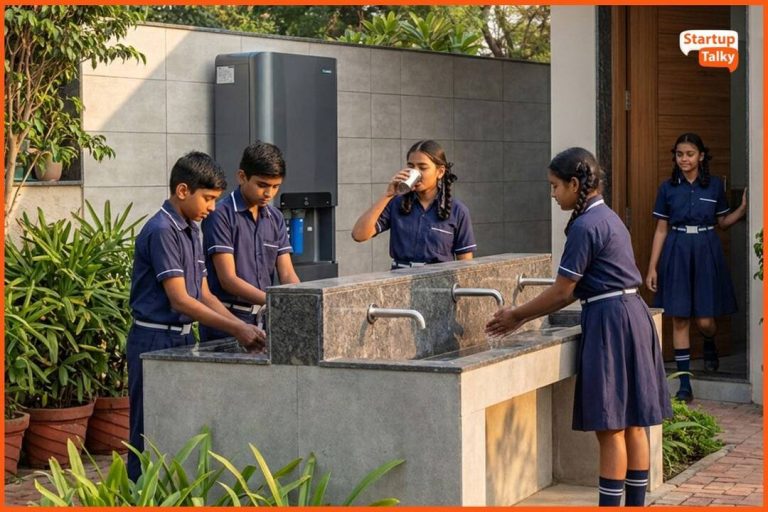
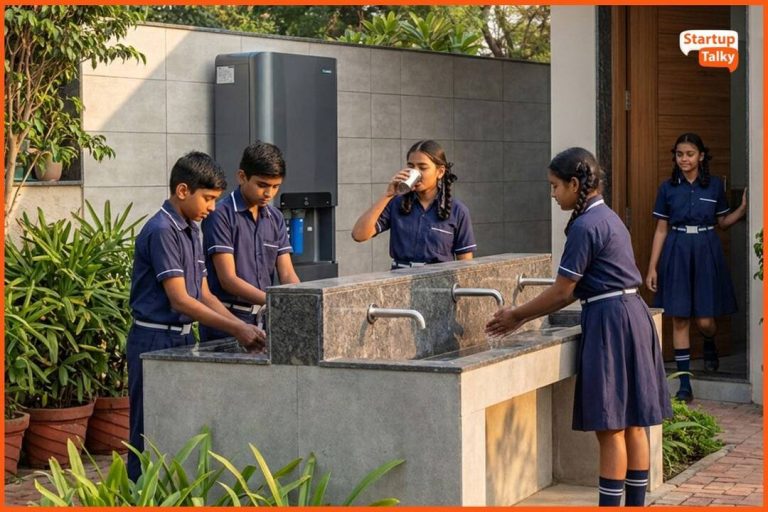
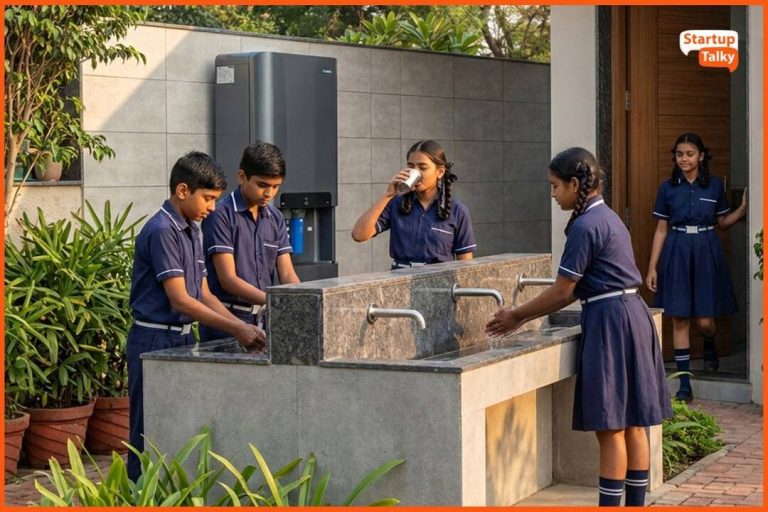
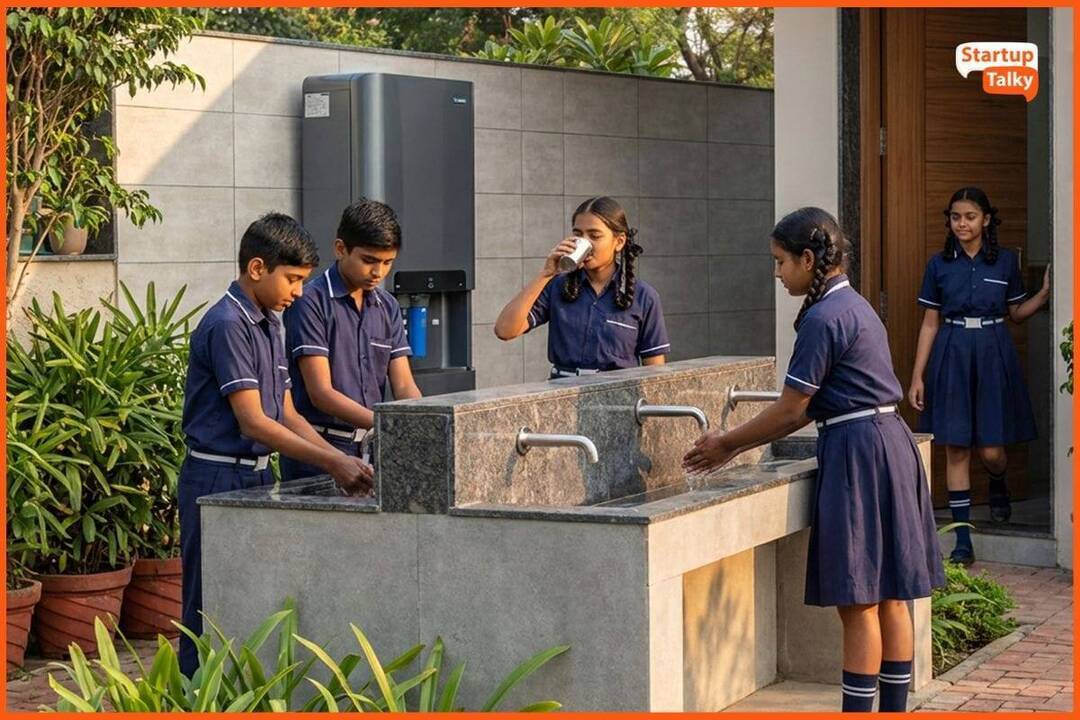
The $6 million loan from WaterEquity will enable Varthana to support infrastructure upgrades, new installations, and maintenance of WASH systems in schools. This will include the construction of new toilets, drinking water facilities, and handwashing stations, as well as the provision of training and capacity-building programs for school staff and students on WASH-related issues.
Impact on Students and Communities
The expansion of safe water, sanitation, and hygiene facilities in underserved schools will have a significant impact on the health, education, and well-being of students and communities. By providing access to clean drinking water, sanitation facilities, and handwashing stations, Varthana’s initiative will help to reduce the incidence of water-borne diseases, improve attendance and learning outcomes, and promote a culture of hygiene and health among students and school staff.
Moreover, the initiative will also have a positive impact on the environment and the community at large. By promoting sustainable WASH practices and reducing the burden of water-borne diseases, Varthana’s initiative will contribute to the achievement of the United Nations’ Sustainable Development Goals (SDGs), particularly SDG 6, which aims to ensure universal access to clean water and sanitation.
Conclusion
Varthana’s securing of a $6 million loan from WaterEquity to expand access to safe water, sanitation, and hygiene facilities in underserved schools is a significant step towards addressing the glaring gaps in WASH facilities in Indian schools. The initiative has the potential to improve the health, education, and well-being of millions of students in low-income communities, promoting a culture of hygiene and health, and contributing to the achievement of the SDGs.
As India continues to grapple with the challenges of providing universal access to safe water, sanitation, and hygiene facilities, initiatives like Varthana’s are crucial in promoting a supportive and inclusive learning environment. We hope that this initiative will inspire other organizations and stakeholders to join hands in addressing the WASH gap in Indian schools, ensuring that every student has access to the basic amenities they need to thrive and succeed.
About the Author