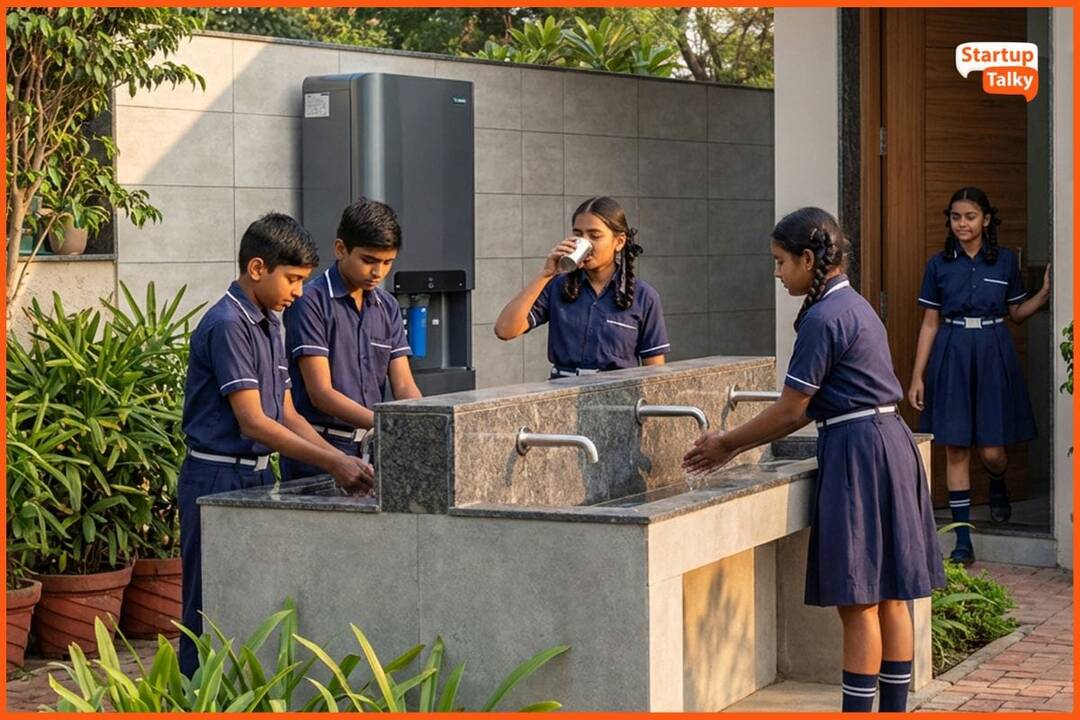
Varthana Secures $6 mn Loan to Extend Safe Water Access in Schools
Access to safe water, sanitation, and hygiene (WASH) facilities is a fundamental human right, essential for maintaining good health, dignity, and well-being. Unfortunately, millions of people around the world, particularly in low-income communities, lack access to these basic necessities. In India, the situation is no different, with many schools in underserved areas struggling to provide adequate WASH facilities for their students. To address this critical issue, Varthana, a leading education-focused financial institution, has secured a $6 million loan from WaterEquity, a social impact investment firm dedicated to improving access to safe water and sanitation.
The loan will be used to expand access to safe water, sanitation, and hygiene facilities in underserved schools across India. The funds will support infrastructure upgrades, new installations, and maintenance of WASH systems, helping to improve the health, attendance, and learning outcomes of students in low-income communities. This initiative is a significant step towards addressing the pressing issue of inadequate WASH facilities in Indian schools, which affects not only the health and well-being of students but also their ability to learn and succeed.
The State of WASH Facilities in Indian Schools
The lack of access to safe water, sanitation, and hygiene facilities is a pervasive problem in Indian schools, particularly in rural and underserved areas. According to a report by the Ministry of Education, many schools in India lack basic amenities like toilets, drinking water, and handwashing facilities. This can lead to a range of health problems, including diarrhea, dysentery, and other water-borne diseases, which can have serious consequences for students, particularly girls, who are often forced to drop out of school due to the lack of adequate sanitation facilities.
Furthermore, the absence of proper WASH facilities can also have a significant impact on student learning outcomes. When students are forced to spend more time fetching water or using inadequate sanitation facilities, it can lead to decreased attendance, reduced focus, and lower academic achievement. In addition, the lack of access to safe water and sanitation can also perpetuate social and economic inequalities, as students from low-income communities are disproportionately affected by these issues.
Varthana’s Commitment to Improving WASH Facilities in Indian Schools
Varthana’s partnership with WaterEquity to secure the $6 million loan is a testament to the organization’s commitment to improving access to safe water, sanitation, and hygiene facilities in Indian schools. Varthana has a long history of working with schools in low-income communities, providing financial support and resources to help them improve their infrastructure and facilities. With this loan, Varthana will be able to expand its reach and support more schools in their efforts to provide adequate WASH facilities for their students.
The loan will be used to support a range of activities, including the construction of new toilets and drinking water facilities, the renovation of existing infrastructure, and the provision of training and technical support to school staff and administrators. By improving access to safe water, sanitation, and hygiene facilities, Varthana aims to create a healthier and more supportive learning environment for students, which will ultimately lead to better academic outcomes and increased opportunities for social and economic mobility.
The Impact of Improved WASH Facilities on Student Outcomes
The impact of improved WASH facilities on student outcomes cannot be overstated. Studies have shown that access to safe water, sanitation, and hygiene facilities can lead to significant improvements in student health, attendance, and academic achievement. For example, a study by the World Health Organization found that schools that had improved their WASH facilities saw a significant reduction in student absenteeism and an increase in student enrollment.
In addition, improved WASH facilities can also have a positive impact on student learning outcomes. When students have access to safe and clean facilities, they are more likely to stay in school and engage in the learning process. This, in turn, can lead to better academic performance, increased confidence, and a greater sense of self-worth. Furthermore, improved WASH facilities can also help to promote social and economic equality, as students from low-income communities are more likely to have access to the same opportunities and resources as their peers from more affluent backgrounds.
Conclusion
Varthana’s partnership with WaterEquity to secure the $6 million loan is an important step towards addressing the critical issue of inadequate WASH facilities in Indian schools. By expanding access to safe water, sanitation, and hygiene facilities, Varthana aims to create a healthier and more supportive learning environment for students, which will ultimately lead to better academic outcomes and increased opportunities for social and economic mobility. As the organization continues to work towards its goal of improving access to quality education for all, it is clear that the impact of this initiative will be felt for years to come.
About the Author