US court reverses $1 bn damages ruling against Byju Raveendran
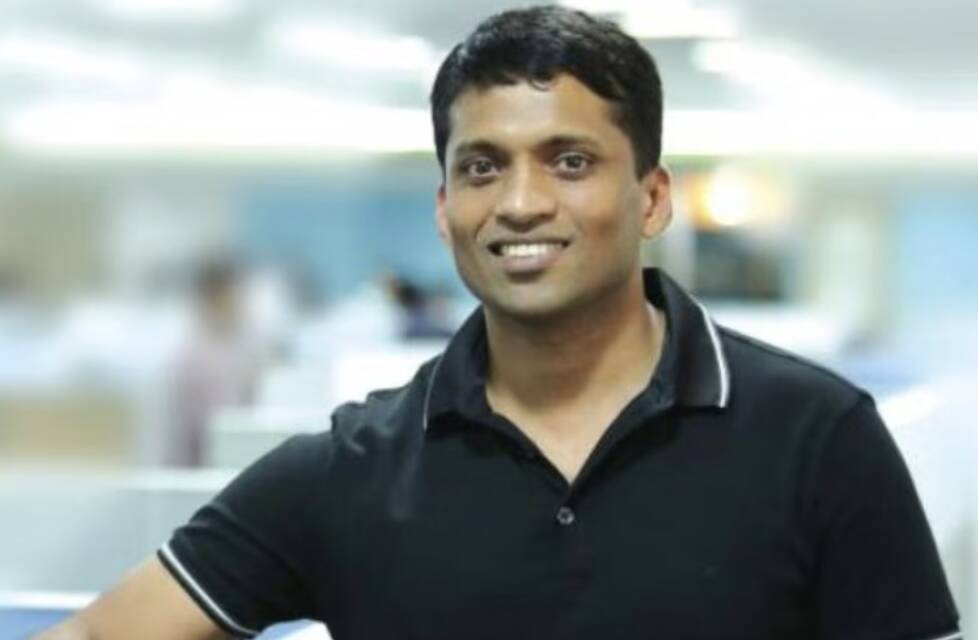
In a significant development, a bankruptcy court in the US state of Delaware has reversed the damages portion of its earlier ruling that ordered BYJU’S founder Byju Raveendran to pay about $1.07 billion. The court has stated that the damages had not been determined and has now directed that a new phase of proceedings begin in January 2026 to assess any damages linked to the claims against Raveendran. This ruling comes as a relief to Raveendran and BYJU’S, as the earlier verdict had sent shockwaves through the Indian startup ecosystem.
The earlier ruling had been widely reported, and many had questioned the basis of the damages awarded. The court’s decision to reverse the damages portion of the ruling suggests that there were indeed concerns about the calculation of the damages. The new phase of proceedings will provide an opportunity for all parties involved to present their arguments and evidence, and for the court to carefully consider the claims and determine any damages that may be owed.
The case has been closely watched in India, where BYJU’S is one of the most prominent startups. The company has been at the forefront of the ed-tech revolution in the country, and its founder, Byju Raveendran, is widely regarded as one of the most successful entrepreneurs in the country. The earlier ruling had raised questions about the company’s financial health and its ability to continue operating, but the reversal of the damages portion of the ruling has provided a measure of relief.
The bankruptcy court’s decision to reverse the damages portion of the ruling is a significant development, and it will be closely watched by all parties involved. The new phase of proceedings will provide an opportunity for the court to carefully consider the claims and determine any damages that may be owed. The outcome of the case will have significant implications for BYJU’S and its founder, as well as for the Indian startup ecosystem as a whole.
The case highlights the complexities and challenges of doing business in a global environment. Companies like BYJU’S, which operate in multiple countries and jurisdictions, must navigate complex legal and regulatory frameworks. The case also highlights the importance of ensuring that all parties are treated fairly and that the legal process is followed carefully.
In recent years, BYJU’S has expanded rapidly, both in India and internationally. The company has acquired several other ed-tech companies, including WhiteHat Jr and Epic. The company’s expansion has been fueled by significant investments from venture capital firms and other investors. However, the company has also faced challenges, including concerns about its financial health and its ability to continue operating.
The reversal of the damages portion of the ruling is a significant development, and it will be closely watched by all parties involved. The new phase of proceedings will provide an opportunity for the court to carefully consider the claims and determine any damages that may be owed. The outcome of the case will have significant implications for BYJU’S and its founder, as well as for the Indian startup ecosystem as a whole.
The Indian startup ecosystem has been growing rapidly in recent years, with many companies achieving significant success and attracting large amounts of investment. However, the ecosystem has also faced challenges, including concerns about the financial health of some companies and the ability of others to continue operating. The case of BYJU’S and its founder, Byju Raveendran, highlights the complexities and challenges of doing business in a global environment.
In conclusion, the US court’s decision to reverse the damages portion of its earlier ruling against Byju Raveendran is a significant development. The new phase of proceedings will provide an opportunity for all parties involved to present their arguments and evidence, and for the court to carefully consider the claims and determine any damages that may be owed. The outcome of the case will have significant implications for BYJU’S and its founder, as well as for the Indian startup ecosystem as a whole.
About the Author