Meesho faces investor protest over anchor allotment to SBI Funds
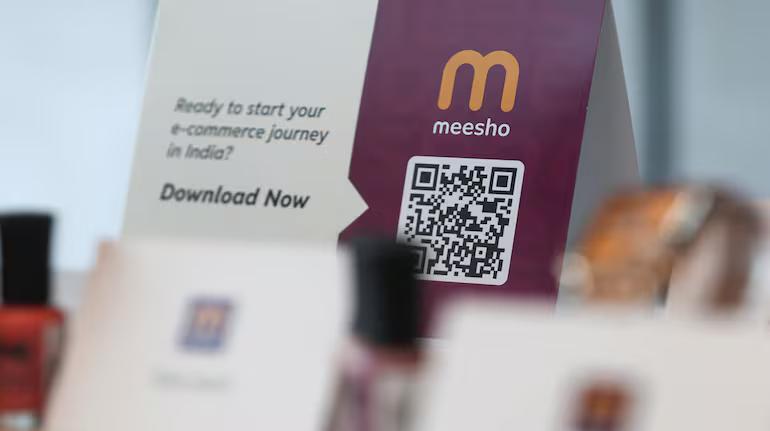
The Indian e-commerce industry has been abuzz with the news of Meesho’s upcoming initial public offering (IPO). However, the company has recently faced a significant setback as several large investors have withdrawn from its anchor book in protest over a substantial allocation to SBI Funds Management. According to reports, Meesho’s decision to allot a significant portion of its anchor book to SBI Funds Management has not gone down well with other large investors, who have subsequently exited the IPO in protest.
The anchor book is a crucial component of an IPO, as it allows institutional investors to purchase shares before the offering is made available to the public. The allocation of shares to anchor investors is typically done to gauge interest in the IPO and to provide a boost to the company’s valuation. However, in Meesho’s case, the decision to allocate a significant portion of its anchor book to SBI Funds Management has raised eyebrows among other investors.
Among the investors who have withdrawn from Meesho’s anchor book are Capital Group, Aberdeen Group, ICICI Prudential Asset Management, and Nippon India Life Asset Management, among others. These investors had initially expressed interest in participating in Meesho’s IPO but have since pulled out due to the company’s allocation strategy. The withdrawal of these investors is a significant setback for Meesho, as they are among the largest and most influential investors in the Indian market.
Despite the withdrawal of these investors, Meesho’s IPO lineup still includes several global investors, such as GIC and BlackRock. These investors have committed to purchasing shares in the company’s IPO, which is expected to raise significant capital for Meesho’s expansion plans. The inclusion of these global investors is a testament to Meesho’s strong business model and growth prospects, which have attracted interest from investors around the world.
Meesho’s decision to allocate a significant portion of its anchor book to SBI Funds Management has been seen as a strategic move to secure the support of a large and influential investor. SBI Funds Management is one of the largest asset managers in India, with a significant presence in the country’s financial markets. By allocating a substantial portion of its anchor book to SBI Funds Management, Meesho may have been attempting to secure the support of a key investor and to boost its valuation.
However, this strategy has backfired, as other large investors have withdrawn from the IPO in protest. The withdrawal of these investors has raised questions about Meesho’s allocation strategy and its ability to attract and retain investors. The company’s decision to allocate a significant portion of its anchor book to SBI Funds Management may have been seen as unfair by other investors, who may have felt that they were not being given a fair opportunity to participate in the IPO.
The controversy surrounding Meesho’s anchor book allocation is a reminder of the challenges that companies face when navigating the complex and competitive world of initial public offerings. The allocation of shares to anchor investors is a critical component of the IPO process, and companies must carefully consider their strategy to ensure that they are able to attract and retain the support of key investors.
In conclusion, Meesho’s decision to allocate a significant portion of its anchor book to SBI Funds Management has sparked a controversy that has led to the withdrawal of several large investors from its IPO. Despite this setback, the company’s IPO lineup still includes several global investors, such as GIC and BlackRock. As Meesho moves forward with its IPO plans, it will be important for the company to carefully consider its allocation strategy and to ensure that it is able to attract and retain the support of key investors.
The news of Meesho’s anchor book allocation controversy has significant implications for the Indian e-commerce industry, which has been experiencing rapid growth in recent years. The controversy highlights the challenges that companies face when navigating the complex and competitive world of initial public offerings and the importance of careful planning and strategy in attracting and retaining investors.
As the Indian e-commerce industry continues to evolve and grow, it will be important for companies to carefully consider their allocation strategies and to ensure that they are able to attract and retain the support of key investors. The controversy surrounding Meesho’s anchor book allocation is a reminder of the importance of fairness and transparency in the IPO process and the need for companies to carefully consider their strategies to ensure that they are able to achieve their goals.
About the Author