Indian-origin US CEO compares India’s 10-min delivery to US’ self-driving cars
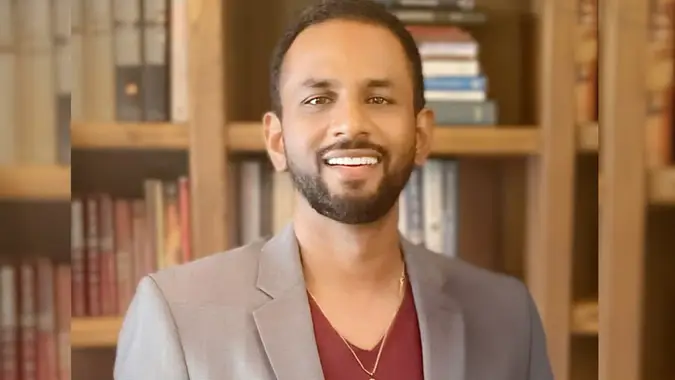
The world is rapidly advancing in terms of technology and innovation, and it’s fascinating to see how different countries are adopting and implementing these advancements in their own unique ways. Recently, Varuni Sarwal, the Indian-origin CEO of US-based AI-healthcare company TriFetch, shared her remarkable experience with India’s lightning-fast delivery services, which has sparked a lot of interest and debate.
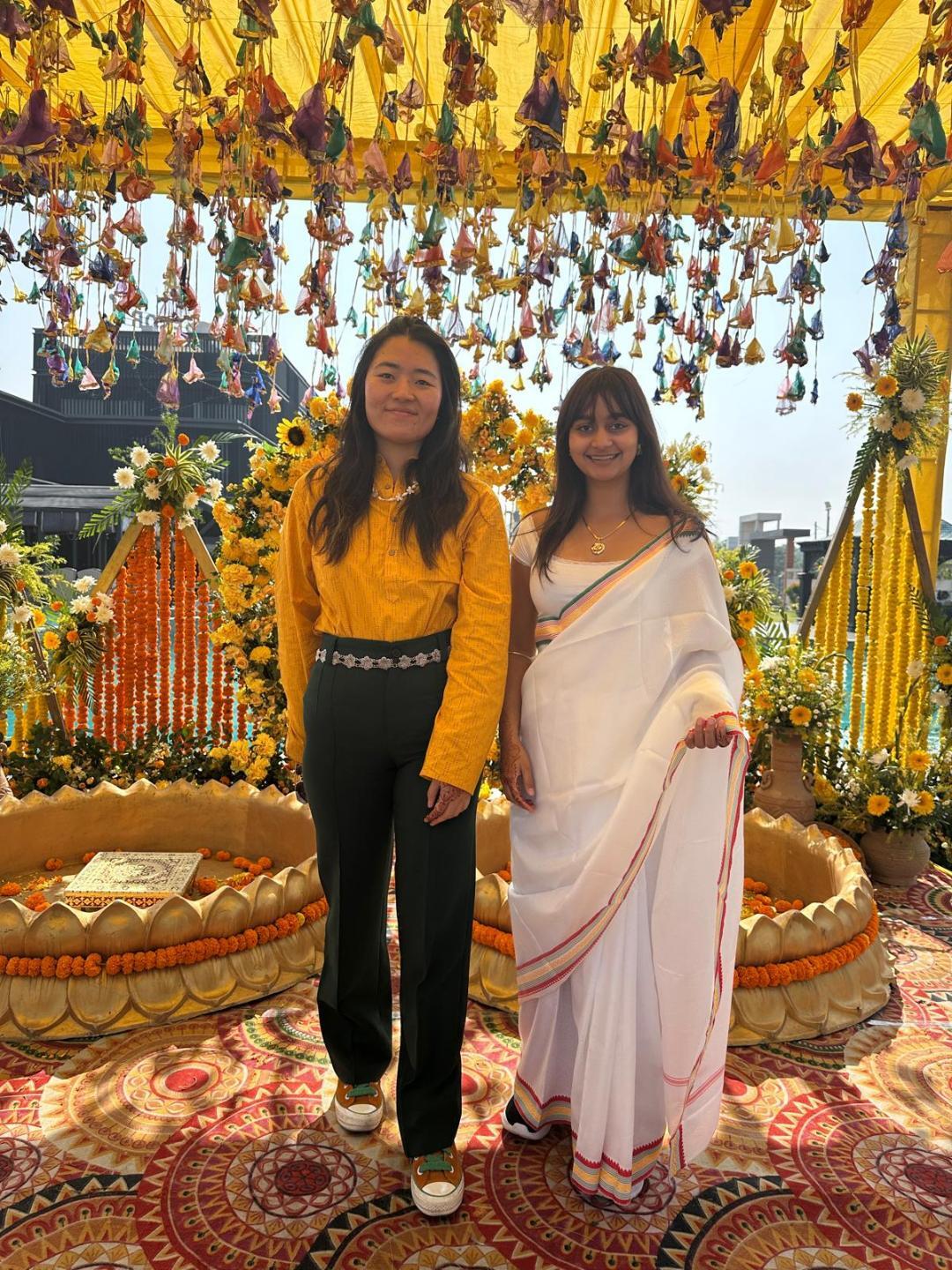
While attending a wedding in Ranchi, Sarwal found herself in a bit of a predicament when she realized she had forgotten to buy an outfit for the occasion. However, she was able to quickly rectify the situation by ordering an outfit from Blinkit, a popular Indian delivery service. What’s truly astonishing is that she received her order in just 15 minutes. This experience left her thoroughly impressed, and she took to social media to express her amazement.
“San Francisco has self-driving cars. India has 10-minute everything. I’m not sure which is more impressive,” Sarwal said in a statement that has since gone viral. Her comment highlights the remarkable pace at which India’s logistics and delivery services have evolved, making it possible for customers to receive their orders in a matter of minutes.
Sarwal’s experience is a testament to the fact that India is indeed living in the future when it comes to B2C logistics. “India is living in 2030 for B2C logistics,” she added, emphasizing the country’s significant lead in this area. The concept of 10-minute delivery, which was once considered unthinkable, has now become a reality in many parts of India. This is a result of the country’s rapid digital transformation, which has enabled companies like Blinkit to develop and implement cutting-edge logistics systems.
The implications of India’s 10-minute delivery revolution are far-reaching and have the potential to transform the way businesses operate and consumers shop. With the ability to receive orders in a matter of minutes, customers can now make last-minute purchases without having to worry about waiting for hours or even days for their orders to arrive. This level of convenience is unparalleled in many parts of the world, and it’s likely that other countries will take notice and strive to replicate India’s success in this area.
It’s also worth noting that India’s 10-minute delivery services are not limited to just food and groceries. Companies like Blinkit are now offering a wide range of products, including clothing, electronics, and home essentials, making it possible for customers to order everything they need and have it delivered to their doorstep in no time.
Sarwal’s comparison between India’s 10-minute delivery and the US’ self-driving cars is also an interesting one. While self-driving cars are undoubtedly a remarkable technological achievement, they are still in the experimental phase and have not yet become a mainstream reality. On the other hand, India’s 10-minute delivery services are already a part of everyday life for millions of people, making them a more tangible and impactful innovation.
As the world continues to evolve and innovate, it’s likely that we’ll see more countries adopting and implementing India’s 10-minute delivery model. The potential benefits of such a system are numerous, from increased convenience and customer satisfaction to reduced traffic congestion and environmental pollution. Whether or not other countries can replicate India’s success in this area remains to be seen, but one thing is certain – India’s 10-minute delivery revolution is an achievement that’s worth taking notice of.
In conclusion, Varuni Sarwal’s experience with India’s 10-minute delivery services is a testament to the country’s remarkable progress in the field of logistics and e-commerce. As the world continues to advance and innovate, it’s likely that we’ll see more countries adopting and implementing similar models. For now, India remains at the forefront of this revolution, and it’s exciting to think about the possibilities that the future holds.
About the Author